
Buying Guides
Patient Transport vs ALS Ambulance: Procurement Guide
An ambulance should be specified around the service that the responsible clinical organization intends to operate.
Key takeaways
- Define the clinical and transport role first
- Convert the service requirement into an equipment schedule
- Review patient access, restraints and interior layout
- Check the chassis and completed-vehicle loading condition
An ambulance should be specified around the service that the responsible clinical organization intends to operate. Patient transport and advanced life support are not capabilities established by a vehicle’s name, paintwork or a photograph of equipment. The interior, devices, staffing, training and applicable approvals must be considered together. Procurement starts with an approved service requirement and turns that requirement into an itemized vehicle and equipment specification.
1. Define the clinical and transport role first
Ask the organization responsible for care to describe the intended service and patient journeys. Identify who approves the clinical equipment schedule, interior layout and operating arrangements. A routine transport service and a service providing a defined level of care during transport can require substantially different procurement packages. The vehicle supplier should receive an approved requirement rather than be asked to infer the service from an ALS or ICU label.
Record the route, typical journey duration, crew and patient-loading arrangements. Include depot, hospital and community access conditions. State whether the requirement concerns a single vehicle or a coordinated fleet service. These inputs connect the conversion specification to the way the ambulance will be used without treating a chassis choice as a complete clinical decision.
2. Convert the service requirement into an equipment schedule
The clinical approver should identify the required devices, accessories and consumables, including their specifications and quantities. A generic medical-equipment package does not explain what is supplied. Ask for exact equipment identification and the documentation required by the destination and operating organization. Do not assume that equipment visible in an example interior is included in the quotation.
Separate installed systems from removable devices and identify responsibility for each. Confirm compatible mounting, power and storage requirements through the appropriate specialists. Where the buyer supplies some equipment, make that boundary explicit. An itemized schedule allows commercial offers to be compared without interpreting broad capability labels as proof of clinical readiness.
3. Review patient access, restraints and interior layout
Describe the stretcher and patient-loading system, seating, access routes and required workspace. Ask the responsible users to review the proposed layout with the supplier. Interior dimensions and equipment positions should be considered together, including the way devices and consumables are secured for travel. A visually spacious photograph is not a configuration drawing.
Confirm compatibility between the stretcher, loading equipment, anchorage and vehicle conversion. Identify the documentation and acceptance evidence required for those systems. Cleaning access, storage and separation of equipment also belong in the design review. The selected layout must reflect the approved service requirement and applicable standards rather than a generic list of ambulance features.
4. Check the chassis and completed-vehicle loading condition
Obtain completed-vehicle weights and assess the load with people, installed systems, medical equipment and consumables. A chassis payload figure may not describe the finished ambulance. Confirm gross and axle limits for the selected configuration and destination. A conversion with additional equipment can change the available loading margin.
Describe road surfaces, gradients, clearances and facility access. Four-wheel drive may be a relevant chassis requirement, but it does not independently establish suitability for every route or patient-care duty. Ask for a configuration-specific response to the transport environment. Keep patient-compartment requirements separate from assumptions about off-road access or general vehicle robustness.
5. Include installed services and operating support
Specify electrical supply, climate control and other installed services against the approved equipment and operating requirement. Oxygen equipment and its installation require their own defined specifications and relevant documentation. The responsible specialists should review those systems; their presence in a marketing description does not establish suitability or approval.
Ask for device documentation, operating information, service access and the agreed training scope. Identify which support responsibilities belong to the vehicle supplier, device suppliers and operating organization. Do not infer staffing, clinical protocols, maintenance intervals or a service commitment from a vehicle offer. The procurement package should make those boundaries understandable before delivery.
6. Agree technical review and acceptance before ordering
Prepare an acceptance schedule covering the vehicle conversion, equipment list, installed systems, documents and checks required by the responsible organization. Identify who reviews each part and which evidence is needed before dispatch. The acceptance basis should refer to the exact configuration and devices being supplied. A demonstration of another ambulance is not equivalent to checking the order.
Confirm destination-specific vehicle and medical-device requirements with the relevant authorities and designated specialists. Group management system certificates do not replace those requirements or establish an advanced-life-support service. Keep the final specification, approved layout and commercial scope aligned. The result should be a clearly documented procurement package supporting the service the organization has actually authorized.
Compare configurations against the same requirement
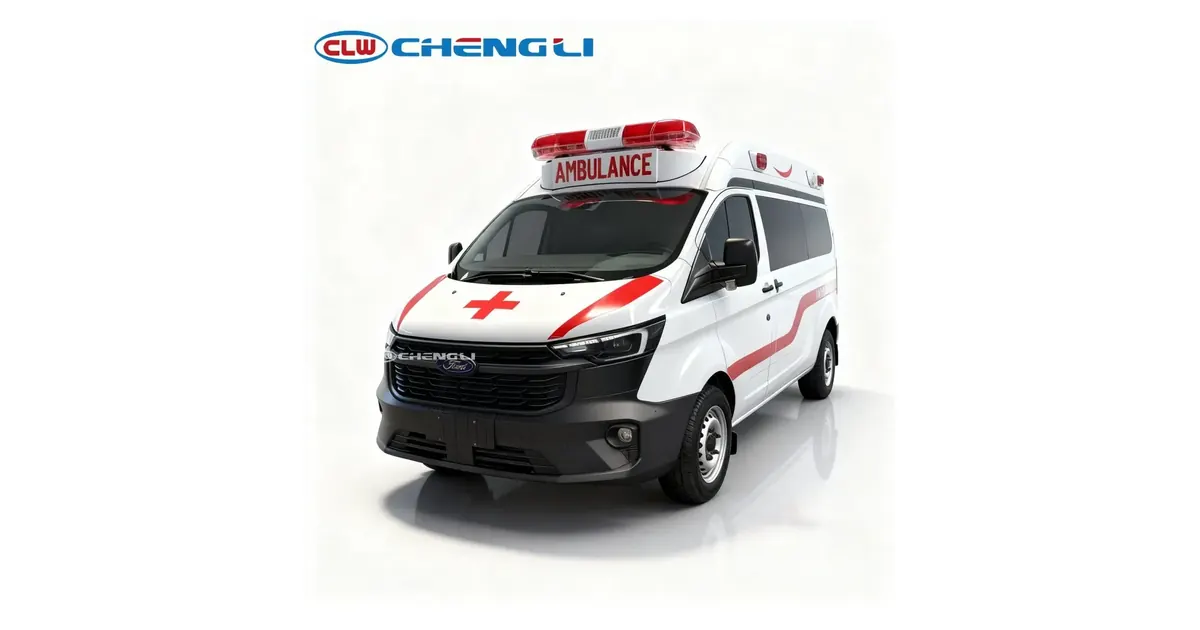
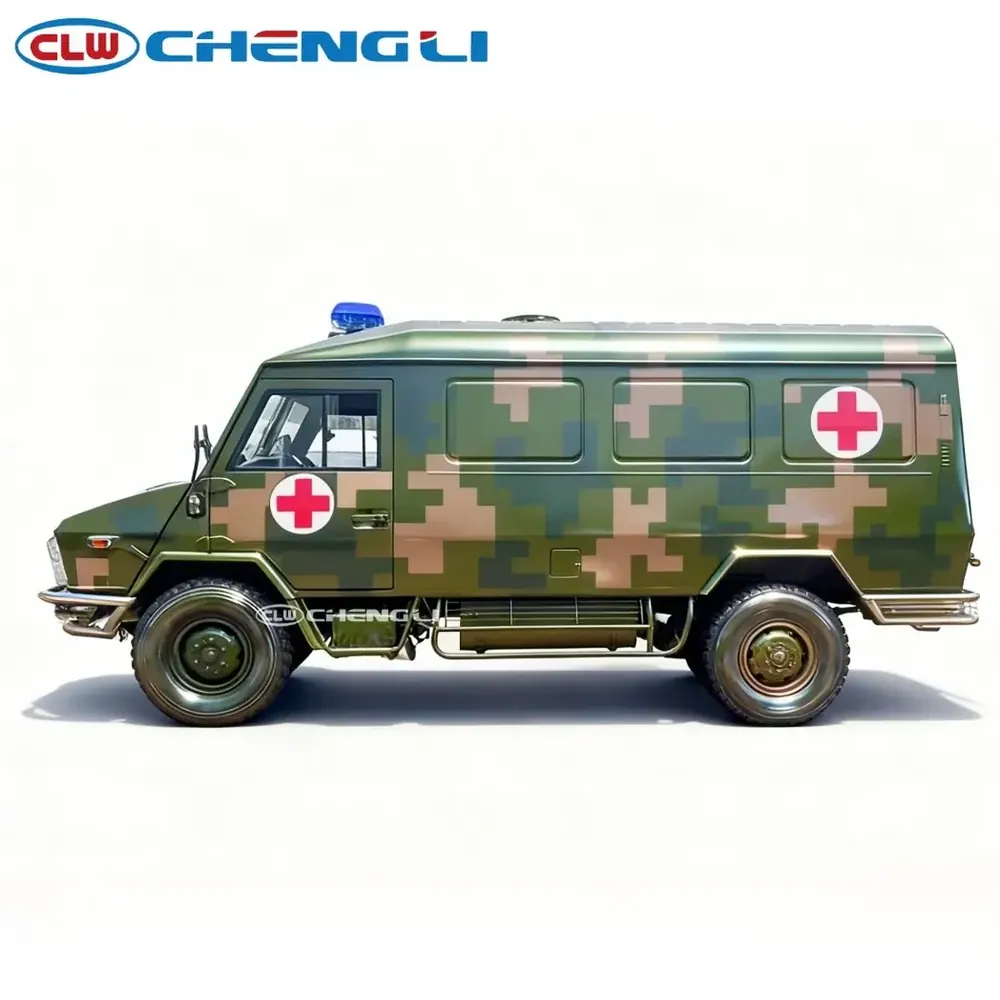
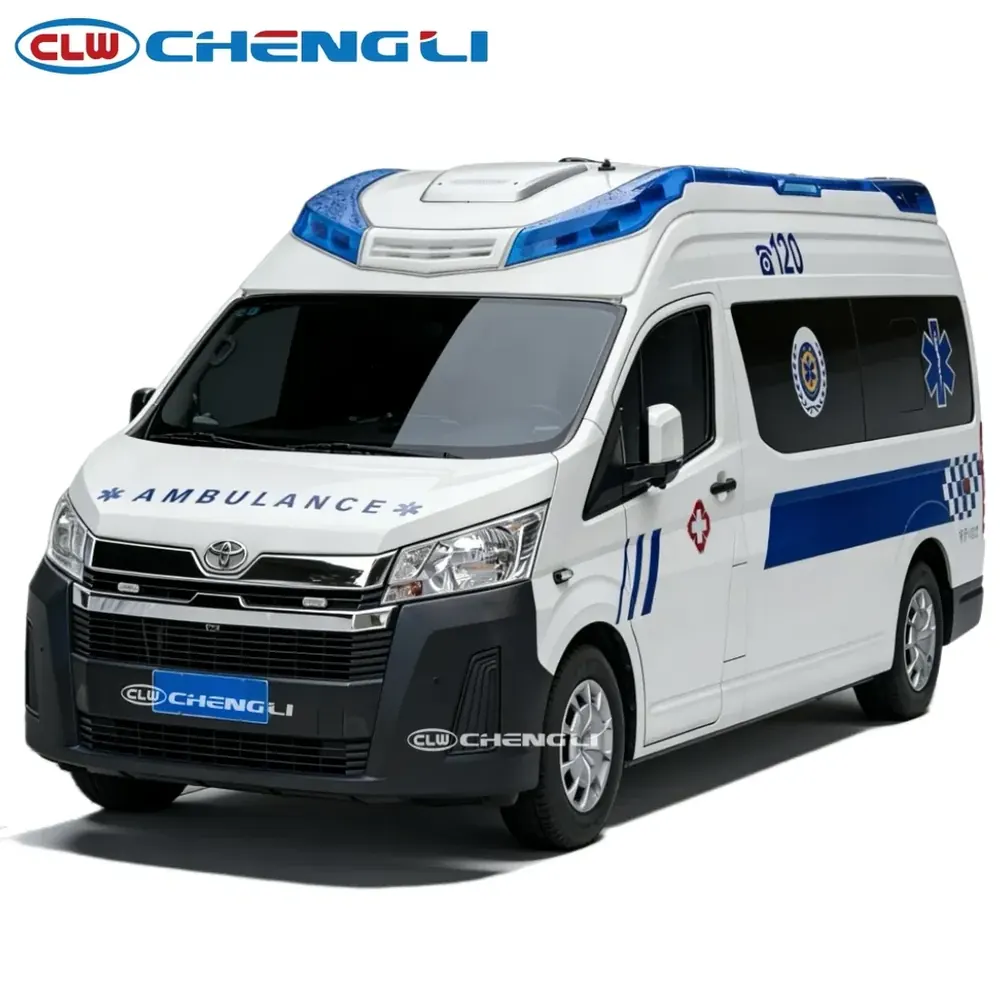
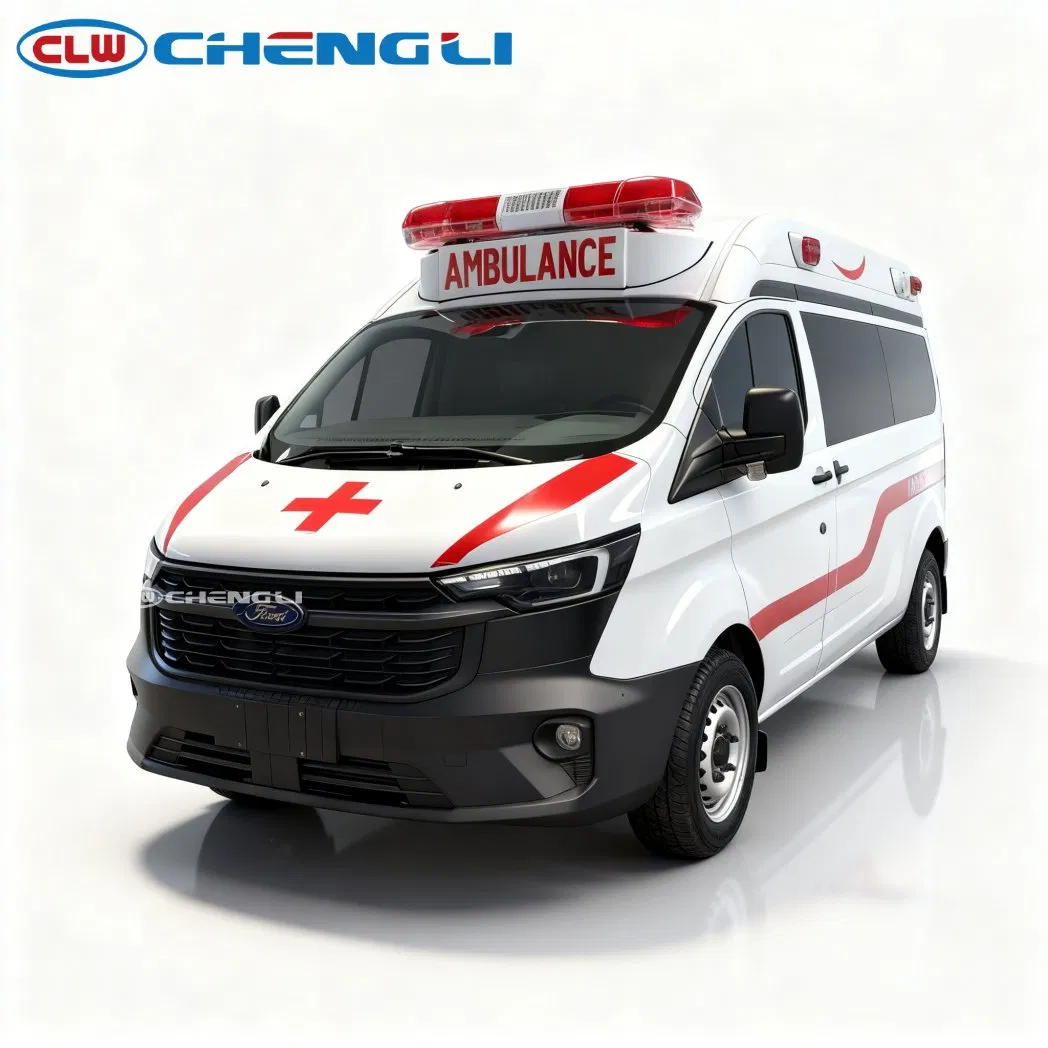
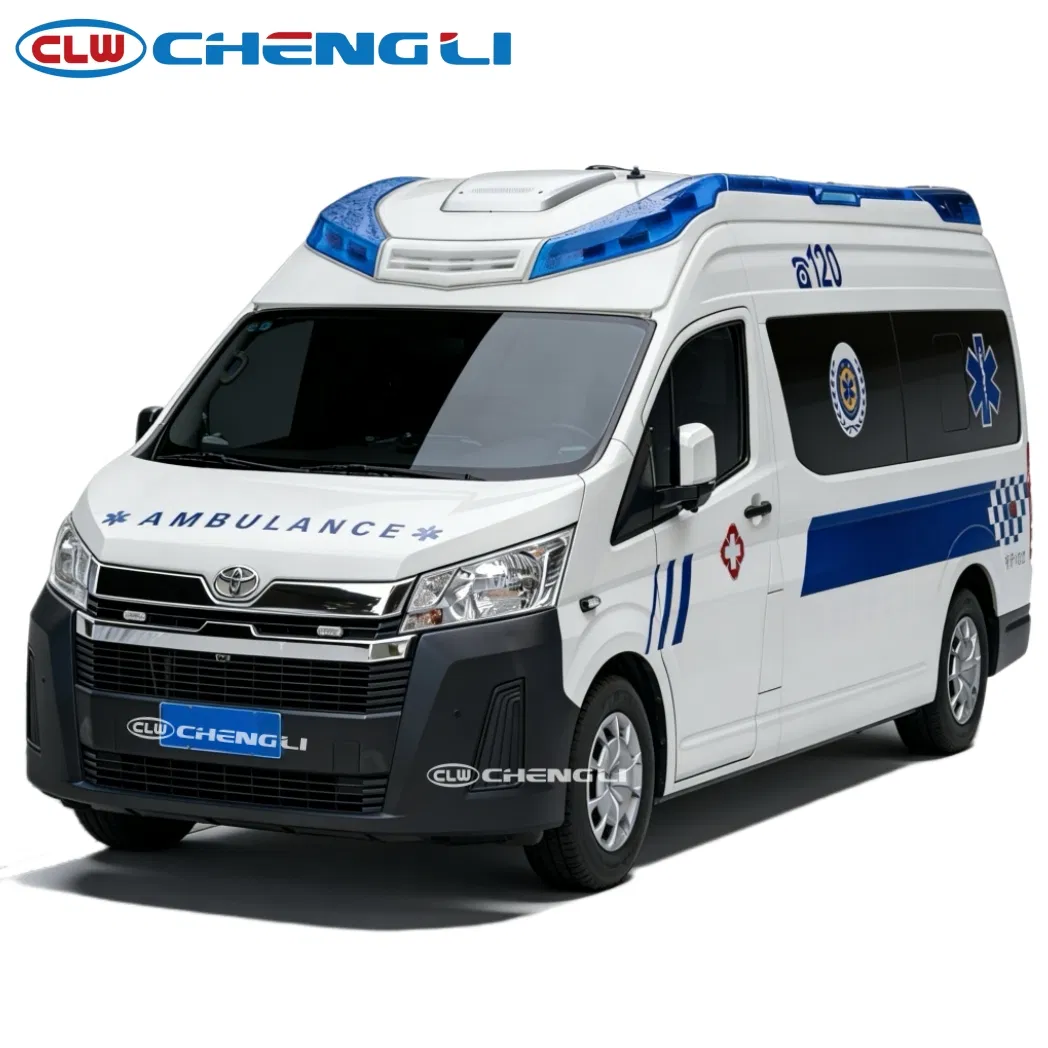
The catalogue includes Foton Patient Transport Ambulance, CLW Patient Transport Ambulance and Dongfeng 4×4 Shelter Ambulance. Use these configurations to begin a comparison, then ask for the selected chassis, body and equipment to be identified against your operating requirement. The vehicles are examples from the range, rather than interchangeable answers to the same job. Confirm the completed weights, usable capacity and relevant equipment limits separately. Ask the supplier to list differences, options and unresolved inputs so that the final price comparison also remains a comparison of the actual configuration being offered.
In an illustrative procurement, a hospital may already own a particular stretcher and monitoring equipment, while a new service may need a complete equipment package. Even if the two buyers select a similar chassis, their mounting, power, layout, documents and acceptance requirements can differ. List buyer-supplied and supplier-supplied items separately and obtain the responsible clinical review. The example organizes purchasing responsibilities; it does not define a treatment protocol or recommend a level of clinical care.
| Decision area | Information to provide | What to confirm |
|---|---|---|
| Service | Approved transport and care requirement | Clinical approver and equipment schedule |
| Interior | Patient loading, crew, workspace and storage | Layout, compatible restraints and mounting |
| Vehicle | Route, people and complete carried equipment | Completed weights, axle limits and access |
| Acceptance | Device, conversion and destination requirements | Named reviewers and agreed evidence |
Prepare the quotation request
Send the approved service requirement, equipment schedule, layout needs, route and destination with the RFQ. Ask for the chassis, conversion, installed systems and medical devices to be itemized separately. Clarify training, documents, inspection and shipping responsibilities in the offer. Compare those complete packages rather than treating patient transport, ALS or ICU wording as a ready-made qualification for the intended clinical service.
Explore the ambulances range, then use the enquiry form below to request a written quotation for your application.
Configurations to compare
Frequently asked questions
Does an ALS label establish an operational ALS service?
No. Equipment, interior, staffing, training and applicable approvals must be established by the responsible organization.
Are photographed medical devices included?
Only devices and accessories identified in the written equipment schedule should be treated as included.
Should the completed ambulance be checked for weight?
Assess the finished conversion with people, equipment and consumables against its applicable gross and axle limits.
Related guides
Request a quotation for your application
Include the working conditions, country, quantity and configuration requirements described in this guide.