
Shipping & Documents
Shipping Trucks to Lagos or Mombasa: RO-RO vs Flat-Rack
RO-RO and flat-rack shipping are options to assess against the actual truck, available carrier service and destination handling arrangements.
Key takeaways
- Provide completed dimensions and weight
- Understand the RO-RO offer’s actual scope
- Assess flat-rack handling and securing requirements
- Compare the same origin and destination scope
RO-RO and flat-rack shipping are options to assess against the actual truck, available carrier service and destination handling arrangements. Neither method is universally cheaper or faster. A shipping quotation needs the completed vehicle’s dimensions, weight, operating condition and delivery scope. Buyers planning shipment to Lagos, Mombasa or another African port should compare documented offers for the same vehicle and route rather than rely on a general transport label.
1. Provide completed dimensions and weight
Give the freight provider the final vehicle length, width, height and shipping weight. Include protruding equipment and the stowed condition of booms, monitors or other devices. A chassis dimension or an approximate catalogue size may not describe the completed truck. Ask which measurements and preparation details the carrier needs for its assessment.
Identify whether accessories travel installed, secured on the vehicle or separately. Their arrangement may affect dimensions, weight and handling. Any proposed removal or repositioning needs an agreed scope and subsequent installation plan. Do not assume that a special vehicle can be made to fit a transport unit by removing equipment without a configuration-specific review.
2. Understand the RO-RO offer’s actual scope
A RO-RO proposal should identify the service, ports, vehicle acceptance conditions and handling scope. Ask the freight provider to assess the actual truck and its operating condition against the carrier’s requirements. A vehicle being capable of driving does not by itself establish that a particular service will accept it.
Clarify preparation, documentation, loading and collection responsibilities. Ask how loose accessories, keys and operating information will be handled under the agreed process. Keep the booking proposal connected to the completed vehicle dimensions and identity. Sailing availability and transit estimates need confirmation for the shipment; a general RO-RO description should not become a fixed delivery promise.

3. Assess flat-rack handling and securing requirements
For a flat-rack proposal, ask the freight provider to assess dimensions, weight, lifting or loading arrangements and securing requirements for the actual vehicle. The transport unit and its limits must be identified. Oversize or out-of-gauge handling can introduce different acceptance, space and commercial conditions from a standard enclosed-container shipment.
Clarify who develops and approves the securing arrangement and what preparation is required. Ask which equipment or accessories may travel separately and how they will be protected and identified. A flat-rack label alone does not establish that a truck will fit or that the proposed handling is suitable. Keep the assessed arrangement with the freight offer.
4. Compare the same origin and destination scope
Set the comparison boundary clearly. Identify whether prices cover factory collection, origin-port handling, ocean freight, insurance, destination handling and onward transport. A low ocean-freight line is not comparable with a quotation that includes more of the journey. Request itemized inclusions, exclusions and the commercial basis.
Confirm the named origin and destination ports and any intermediate handling identified by the provider. For an inland destination, obtain a separate assessment of onward transport and border or clearance responsibilities. The same vehicle may have different practical routes depending on service availability and destination arrangements. Ask for current, shipment-specific information instead of assuming a direct service.
5. Align inspection, documents and cargo identity
Ensure the vehicle identity and configuration are consistent across the commercial and shipping documents. Ask the importer and freight provider to confirm the documents required for the actual destination and shipment. Inspection or conformity procedures may need action before departure; they should be resolved as part of the preparation plan rather than left until arrival.
Keep the inspection scope separate from the transport booking. A carrier’s acceptance of the cargo is not a substitute for import compliance or vehicle registration requirements. Identify responsibility for preparing, reviewing and supplying each document. Where the vehicle specification changes, ask which documents and freight assessments need revision.
6. Review risk, insurance and delivery assumptions
Ask what protection and insurance are included and which party is responsible at each stage under the agreed terms. Review any exclusions relevant to the vehicle and its equipment with the insurer or freight provider. Do not infer comprehensive coverage from the presence of an insurance line in a quotation.
Treat sailing dates, transit estimates and destination release as separate milestones. Port congestion, documentation and other shipment-specific conditions can affect the overall delivery plan. Request an updated written offer with validity and conditions before making a transport decision. Choose the assessed method and scope that fit the actual vehicle and destination arrangements, rather than declaring one shipping method universally superior.
Compare configurations against the same requirement
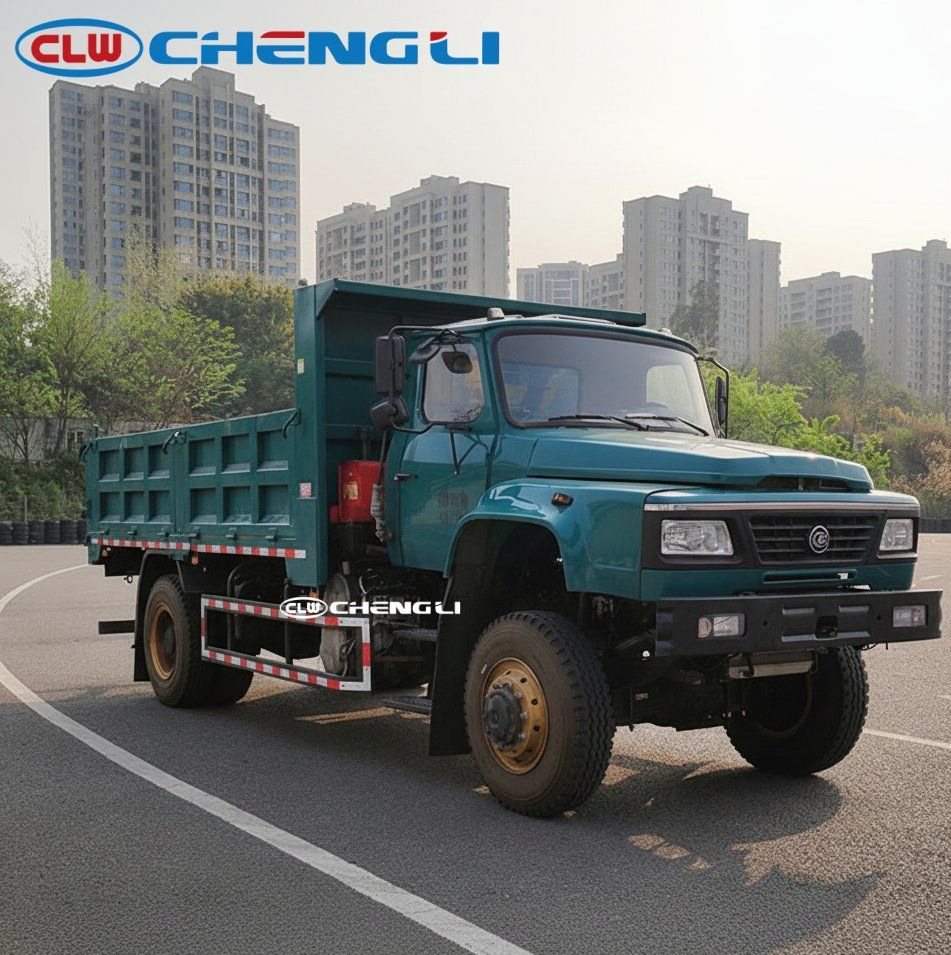
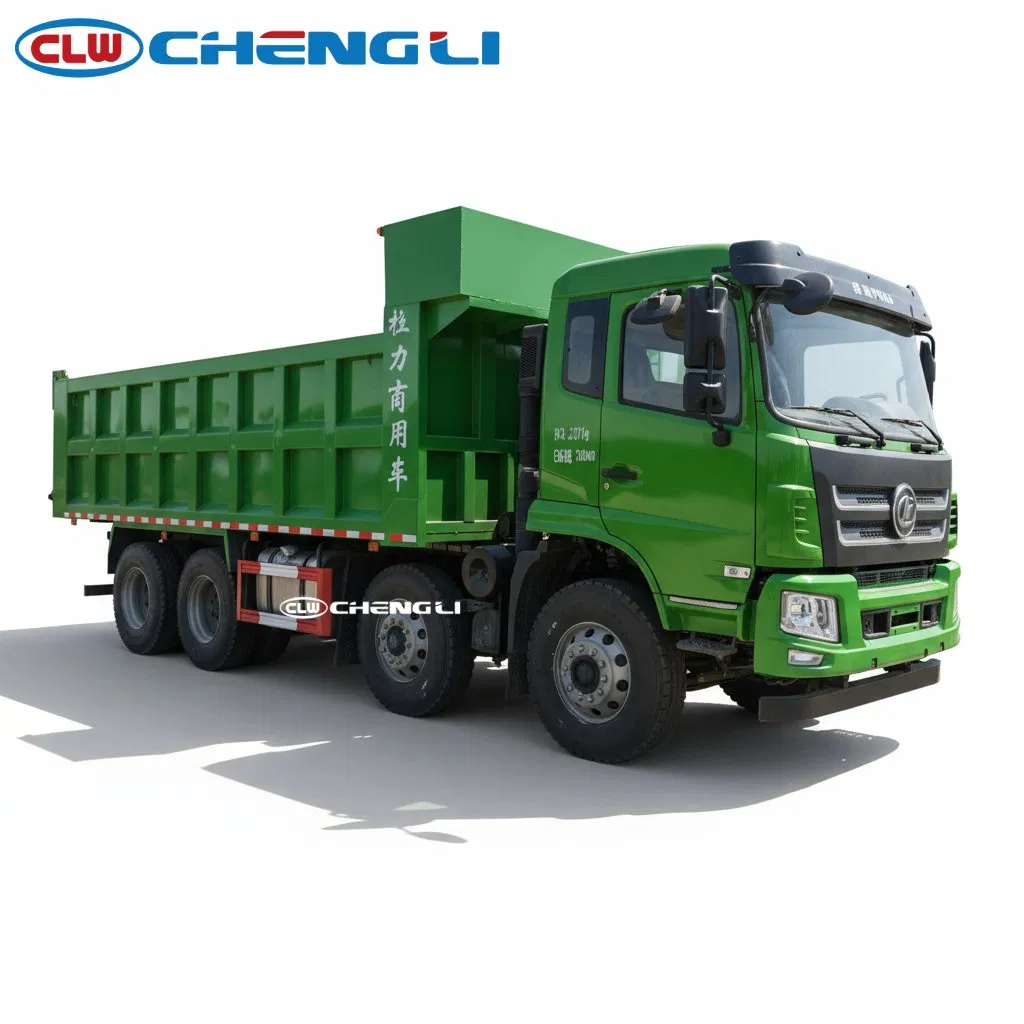
The catalogue includes CLW 6×4 350 hp Tipper Truck, Foton 8×4 Mining Tipper Truck and Isuzu 4×2 Flatbed Tow Truck. Use these configurations to begin a comparison, then ask for the selected chassis, body and equipment to be identified against your operating requirement. The vehicles are examples from the range, rather than interchangeable answers to the same job. Confirm the completed weights, usable capacity and relevant equipment limits separately. Ask the supplier to list differences, options and unresolved inputs so that the final price comparison also remains a comparison of the actual configuration being offered.
For illustration, two offers may show the same destination port while one starts at the factory and the other starts after origin-port delivery. Another difference may be whether destination handling and insurance are included. Those prices cannot be compared reliably until the scope is aligned. The example explains how to structure a freight comparison; it does not indicate a current rate, available sailing, guaranteed transit time or carrier acceptance for a particular truck.
| Decision area | Information to provide | What to confirm |
|---|---|---|
| Vehicle | Final dimensions, weight and stowed equipment | Carrier acceptance and handling assessment |
| RO-RO | Named service and operating-condition requirements | Preparation, booking and collection scope |
| Flat-rack | Transport-unit and cargo dimensions | Loading, securing and out-of-gauge conditions |
| Commercial | Same origin-to-destination boundary | Itemized charges, insurance and exclusions |
Prepare the quotation request
For a shipping comparison, send the completed specification, dimensions, shipping weight, quantity, origin collection point and destination port. Identify loose equipment and any special handling needs. Ask for current RO-RO and flat-rack assessments where both are practical, with inclusions, exclusions, validity and estimated milestones. Confirm importer, inspection and document responsibilities before booking the chosen route.
Explore the tipper trucks range, then use the enquiry form below to request a written quotation for your application.
Configurations to compare
Frequently asked questions
Is RO-RO always cheaper than flat-rack shipping?
No. Compare current offers for the same vehicle, route, handling and commercial scope.
Can catalogue dimensions be used for booking?
Confirm the completed vehicle’s actual shipping dimensions, weight and stowed equipment with the freight provider.
Does carrier acceptance establish import approval?
No. Destination compliance, inspection and registration requirements must be resolved separately.
Related guides
Request a quotation for your application
Include the working conditions, country, quantity and configuration requirements described in this guide.