
Application Guides
Vacuum Truck vs Sewer Jetting Truck: Which Duty Fits?
Vacuum collection and sewer jetting address different parts of a drainage-service job.
Key takeaways
- Separate collection from cleaning
- Identify the information a vacuum offer needs
- Identify the information a jetting offer needs
- Review the compromises of a combined vehicle
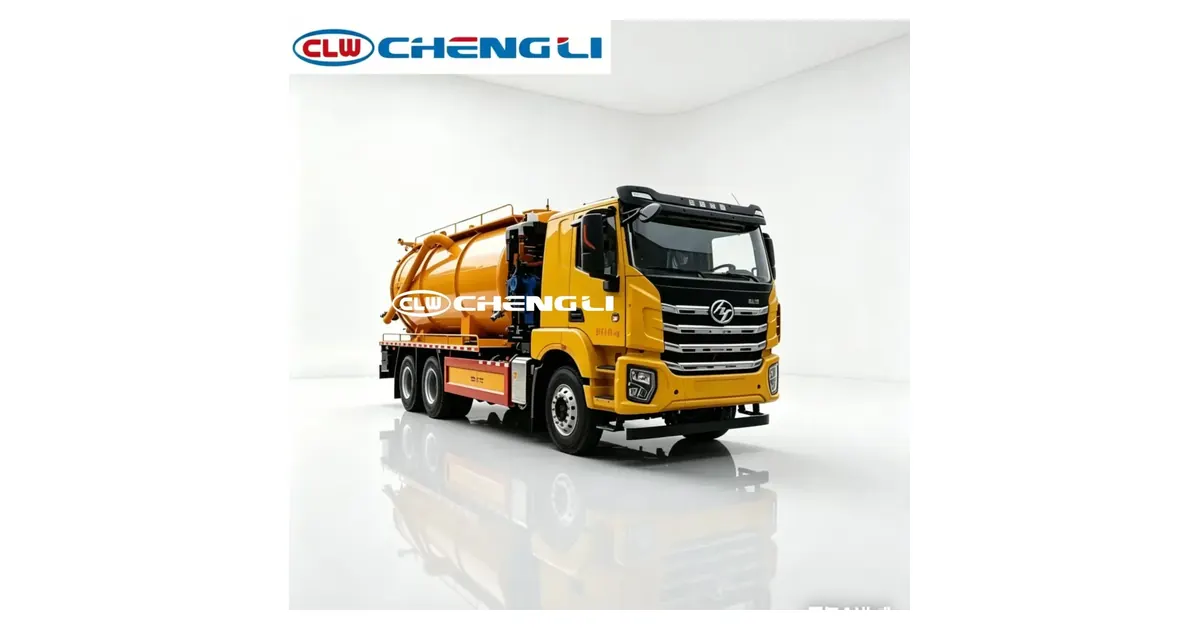
Vacuum collection and sewer jetting address different parts of a drainage-service job. A vacuum system collects material into a tank; a jetting system applies water through specified hoses and nozzles for a cleaning duty. A combined vehicle can bring both functions together, but the extra equipment changes its storage, loading and maintenance requirements. Buyers should identify the actual sequence of work before deciding which configuration to request.
1. Separate collection from cleaning
Write down what the crew must achieve at each site. Emptying a chamber is a collection requirement. Cleaning a pipe introduces a different set of inputs, including the pipe geometry, deposits, access and the proposed cleaning method. A service described simply as drain maintenance may contain either task or both. Distinguishing them helps the supplier propose relevant equipment.
Avoid assuming that suction alone will remove every obstruction or that a jetting function will collect the resulting material. Explain where removed contents will go and how the site is left after the job. Where both functions are needed, describe whether the same crew performs them in sequence and whether another vehicle or disposal arrangement is already available.
2. Identify the information a vacuum offer needs
A vacuum configuration needs a description of the collected material, the loading point and the proposed hose arrangement. Include the vertical difference, distance and access restrictions. State how much storage is needed between trips to unload and identify the disposal facility. These inputs allow a tank and suction system to be assessed against a defined collection cycle.
Check the equipment list for the pump, valves, overflow protection, hose package and discharge arrangement. Tank capacity is not a substitute for those details. Confirm usable storage and completed-vehicle weights separately, especially where the material is heavy or the route has restrictive access. Ask for the conditions attached to any proposed performance figures.
3. Identify the information a jetting offer needs
For a jetting requirement, describe the pipe or drainage asset, its accessible openings, expected deposits and the work scope agreed by the operator. Provide the intended hose reach and any constraints at the access point. The supplier needs to assess the pump, hose and nozzle combination, rather than responding only with a maximum pressure figure.
Specify the clean-water supply arrangement and how the vehicle will be refilled during the shift. Ask which hoses, reels, nozzles and controls belong to the quoted package. Different cleaning duties may require different accessories and operating procedures. The responsible service organization should establish the working method and operator requirements for its infrastructure and site conditions.
4. Review the compromises of a combined vehicle
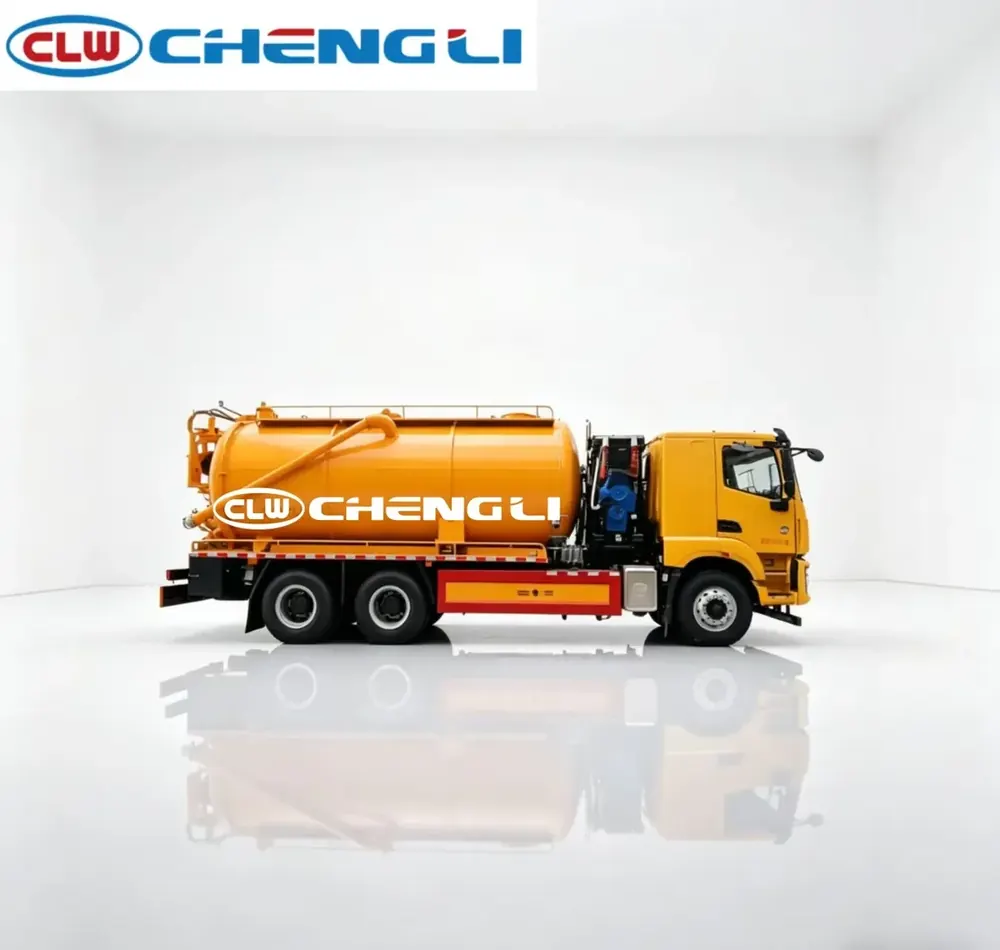
A combined sewer-cleaning truck adds clean-water storage and jetting equipment to its waste-collection functions. Compare the two tank capacities independently and review the load when the clean-water compartment, sewage compartment, crew and accessories are considered together. A headline total volume does not explain how that space is divided or how it can be used.
Consider how the crew changes between functions and where the equipment is positioned. Hoses, reels, valves and service points need usable access. Ask which operations can happen together and which require a change of mode. The value of a combined vehicle depends on the work sequence; it should not be assumed more suitable simply because it carries more types of equipment.
5. Compare daily productivity with the full cycle
Map the shift from leaving the depot to returning for cleaning and service. Include travel, setup, collection, cleaning, refilling, unloading and waiting time. A larger waste tank may reduce unloading journeys but still leave a cleaning crew constrained by clean-water refills. Conversely, a large clean-water tank may provide little benefit on a route dominated by collection.
Use the same job assumptions for every offer. Ask the supplier to explain how the proposed configuration addresses each part of the cycle, while distinguishing estimates from agreed acceptance requirements. Keep access and permissible weights in the comparison. A vehicle that cannot reach the collection point or use the unloading facility may be unsuitable despite attractive pump or tank specifications.
6. Choose an equipment and inspection scope
Make the purchasing decision against the required work rather than the number of features in a brochure. A suction-only route needs a complete collection specification. A jetting route needs a defined cleaning system and water supply. A combined assignment needs both, with their interaction and loading plan explained. Record which questions still need a technical response.
Agree the pre-dispatch checks for the actual vehicle and its supplied accessories. Confirm identification of the vacuum and jetting equipment, control functions, tank arrangements and any demonstration required by the contract. Ask for operating and service documentation for each system. Export files and destination approvals remain separate procurement items and should be reviewed before shipment.
Compare configurations against the same requirement
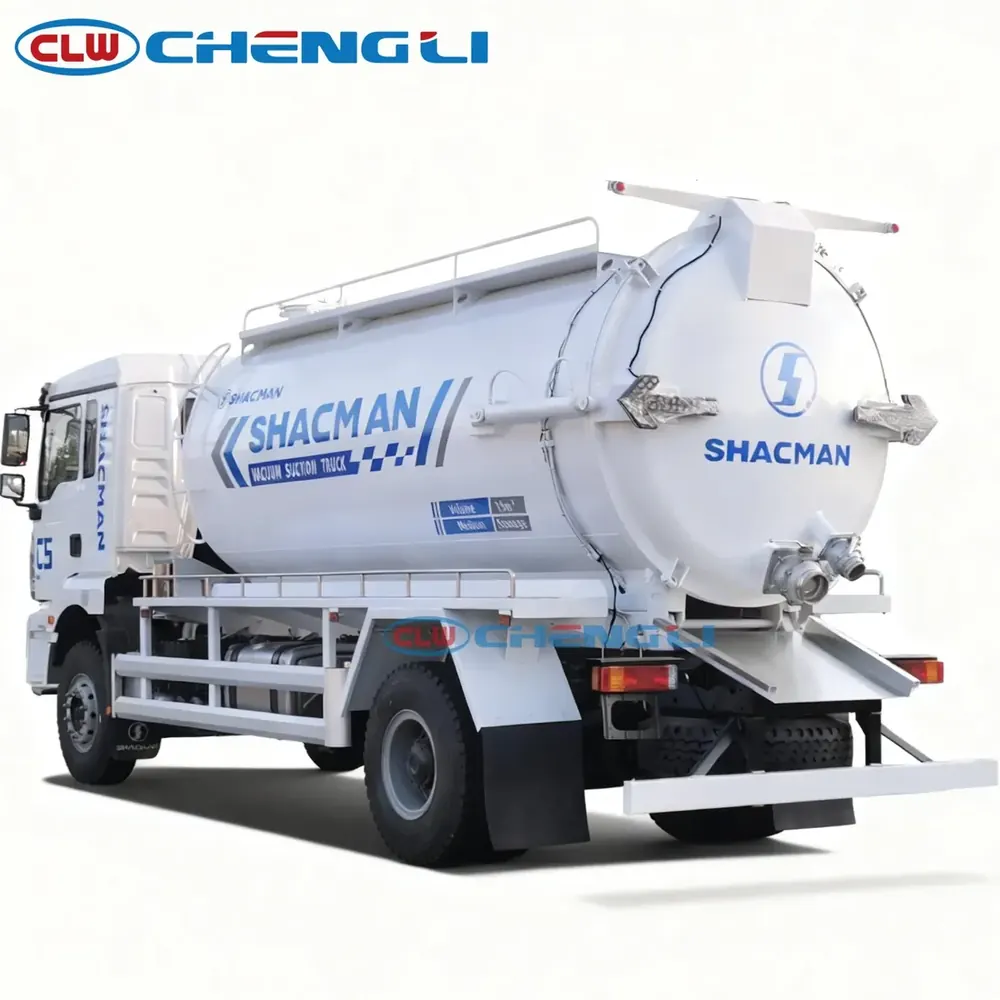
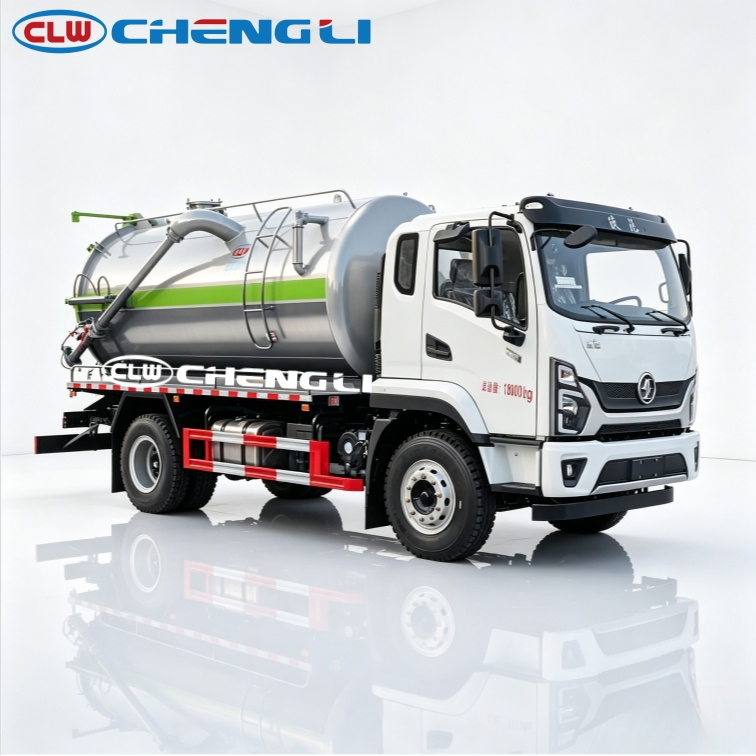
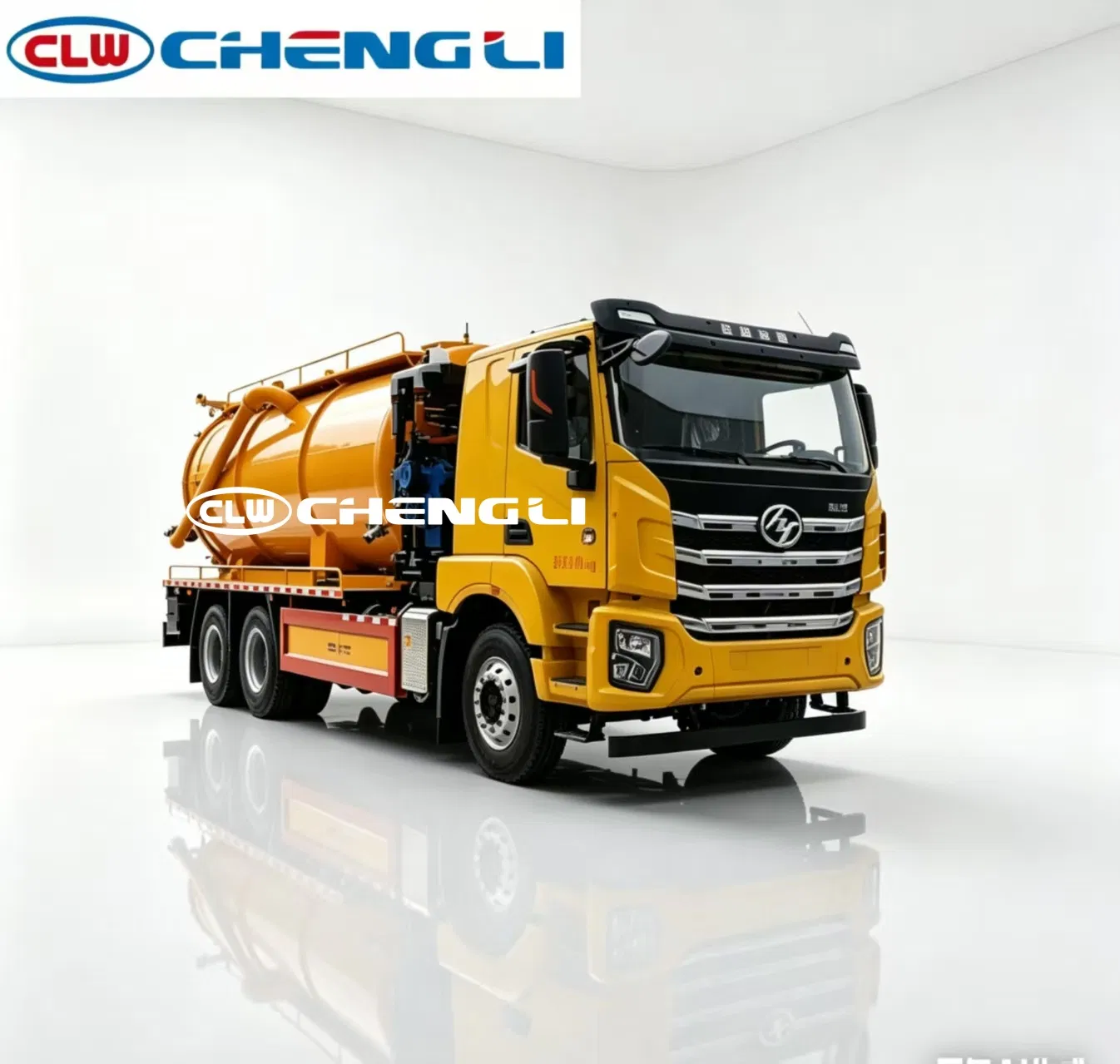
The catalogue includes Shacman 15.0 m³ Vacuum Sewage Truck, Foton 2.2 m³ Vacuum Sewage Truck and Dongfeng 8×4 Combined Sewer Cleaning Truck. Use these configurations to begin a comparison, then ask for the selected chassis, body and equipment to be identified against your operating requirement. The vehicles are examples from the range, rather than interchangeable answers to the same job. Confirm the completed weights, usable capacity and relevant equipment limits separately. Ask the supplier to list differences, options and unresolved inputs so that the final price comparison also remains a comparison of the actual configuration being offered.
For an illustrative service route, a shallow collection point beside the road and a distant chamber reached through a long hose present different selection questions. Describe each site and the material instead of asking for one universal suction figure. Review the loading, travel and unloading cycle together. This example identifies information for an equipment assessment; it does not establish a suction depth, loading rate or approved cleaning method for either site.
| Decision area | Information to provide | What to confirm |
|---|---|---|
| Vacuum collection | Remove and store collected material | Tank, pump, hose and discharge arrangement |
| Sewer jetting | Perform a specified water-cleaning duty | Water supply, pump, hose, reel and nozzles |
| Combined vehicle | Carry out both functions in an agreed sequence | Separate tank capacities, loading and control modes |
| Fleet decision | Compare complete daily work cycles | Access, refills, unloading and equipment support |
Prepare the quotation request
For a comparison quotation, provide the country, quantity, route, collection materials, drainage assets and expected sequence of work. State which functions the fleet already performs with other equipment. Ask for separately identified vacuum and jetting packages, usable tank capacities and the completed vehicle’s weight information. Compare the full configuration and commercial scope before deciding whether one combined vehicle or separate equipment better fits the assignment.
Explore the vacuum trucks range, then use the enquiry form below to request a written quotation for your application.
Configurations to compare
Frequently asked questions
Are vacuum and jetting systems interchangeable?
They address different functions. Collection, water cleaning and the handling of removed material must be specified separately.
Does a combined truck always save fleet time?
Its suitability depends on travel, setup, refill and unloading cycles, as well as the equipment required at each site.
Should both tank capacities be listed?
Yes. Identify clean-water and sewage storage independently and confirm the completed loading plan.
Related guides
Request a quotation for your application
Include the working conditions, country, quantity and configuration requirements described in this guide.