
Buying Guides
Vacuum Sewer Truck: How to Match Tank, Pump and Hose
A vacuum sewer truck must be selected around the collection point and the material being removed.
Key takeaways
- Define the material and collection point
- Separate tank volume from the loading plan
- Describe the pump duty with its conditions
- Specify the complete hose arrangement
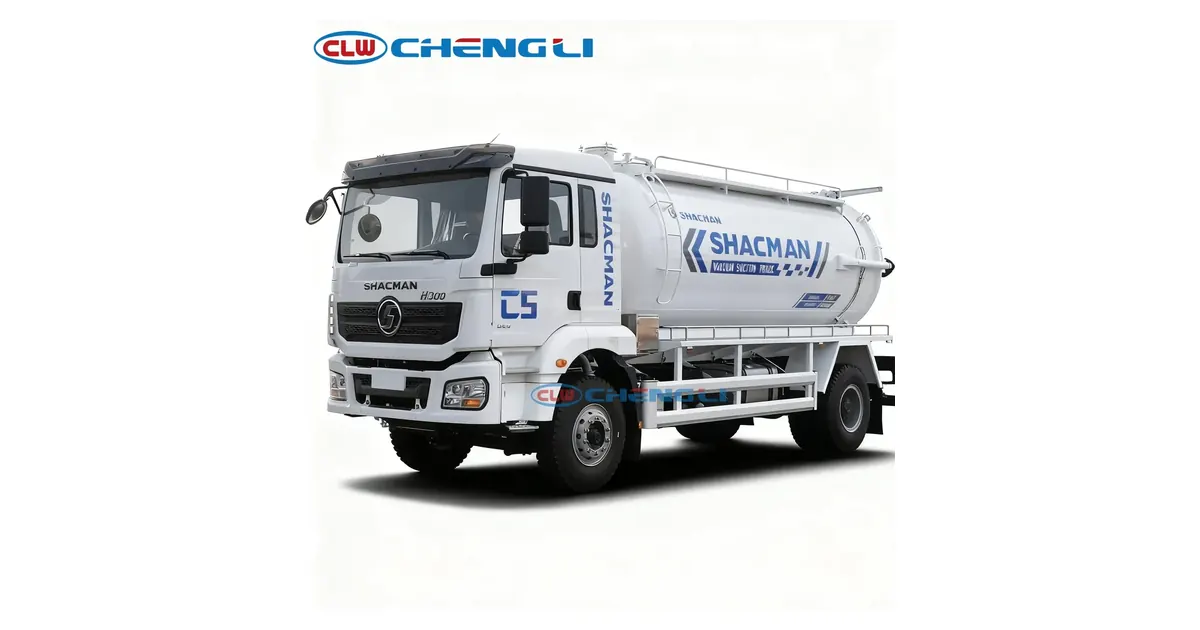
A vacuum sewer truck must be selected around the collection point and the material being removed. Tank size determines storage space, while the pump, hose and connections determine how the specified collection duty can be approached. A large tank does not establish a particular suction depth or loading rate. Fleet buyers should describe the entire collection and unloading cycle so that competing offers can be assessed against the same conditions.
1. Define the material and collection point
Describe whether the assignment involves septic contents, wastewater, grit, sludge or another material. Include the expected solids and any information available about its consistency. A generic sewage description may leave important differences unresolved. Identify contaminants that require a separate equipment assessment instead of assuming a standard sewage truck can collect any liquid waste.
Record where the truck can park, the opening through which the hose must pass and the access around the collection point. Photographs and a simple sketch can make a quotation more useful. Tell the supplier whether collection takes place from a pit, chamber, tank or other installation. Include the journey and arrangements at the authorized unloading location; the collection point is only one part of the duty.
2. Separate tank volume from the loading plan
Establish how much material needs to be collected between unloading opportunities and compare that demand with practical route timing. Nominal tank volume is a storage measurement. It does not by itself establish the permissible carried mass, particularly when the collected material has a different density from water. Completed-vehicle weights and axle limits require their own checks.
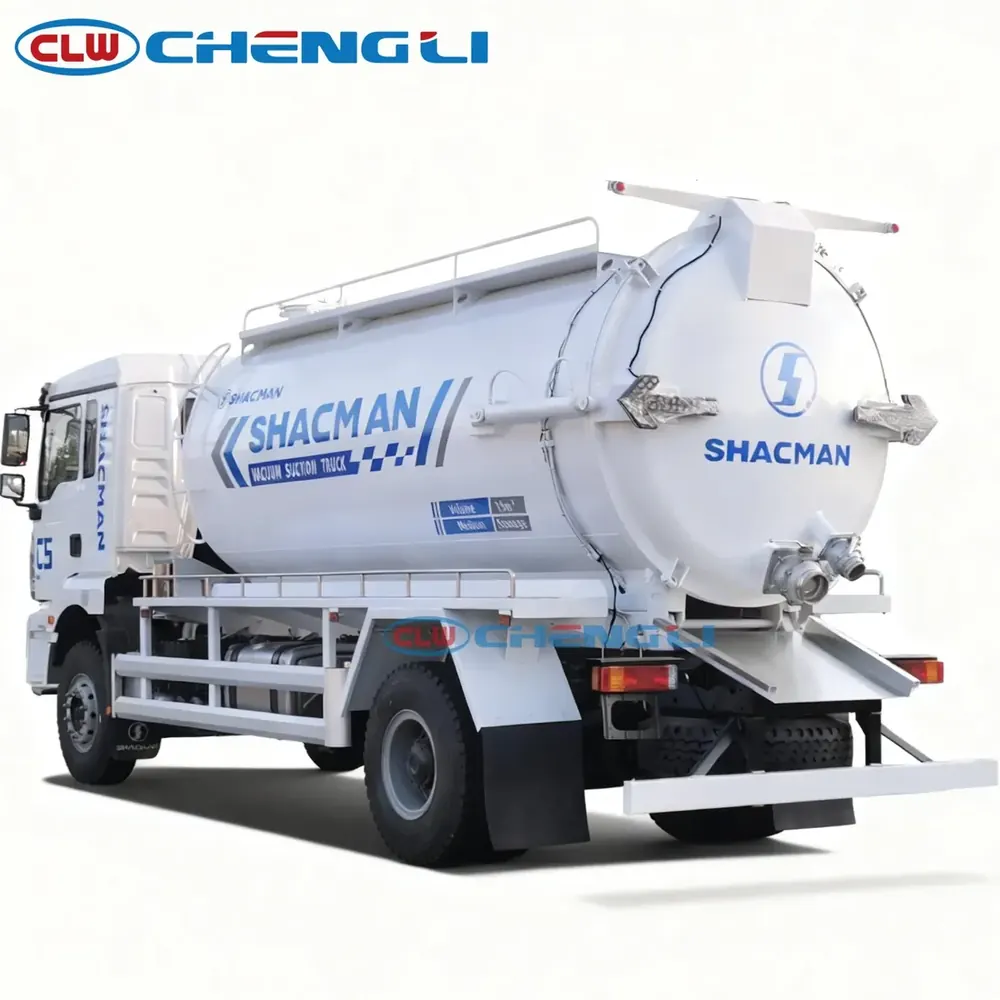
Ask about usable capacity, operating levels and the protection that prevents overfilling of the selected system. A combined cleaning vehicle may also carry clean water, hoses and other equipment. Those items form part of the load and influence the working plan. Compare offers on the same combination of sewage capacity, clean-water capacity and equipment, rather than treating a headline total volume as interchangeable.
3. Describe the pump duty with its conditions
Give the supplier the vertical difference between the collection level and the proposed vehicle position, together with the hose route. Explain the material and expected operating cycle. These conditions are necessary to assess the vacuum system. A pump model or a maximum vacuum statement cannot independently establish the loading result for a particular chamber.
Ask how the quoted performance is defined, which pump and drive arrangement are included and what operating limits apply. Keep any assessment tied to the selected installation. If several pump choices are offered, request the basis for choosing among them. The objective is a configuration-specific response to the collection task, with limitations stated clearly enough to compare against alternative offers.
4. Specify the complete hose arrangement
Measure the expected hose run, including bends, access restrictions and the section needed to reach the material. State the proposed diameter and connection requirements, or ask the supplier to select them against the duty. Hose length alone is incomplete information: its route, fittings, material compatibility and handling requirements also matter.
Consider how crews will transport, connect, store and clean the hoses. Ask which lengths and accessories are supplied, how they are secured during travel and whether the connection arrangement fits the actual collection points. If a reel or boom is required, identify it separately in the quotation. A photograph showing accessories should not substitute for an itemized list of the equipment being ordered.
5. Review discharge, cleaning and service access
Identify how the collected material will leave the tank at the disposal facility. Confirm the permitted discharge method and the space needed to operate any rear door or tank-lifting mechanism. A vehicle that can load at the site still needs to fit the unloading facility and its operating rules. Include gradients and approach restrictions in the route description.
Ask for information on cleaning access, valves, seals, protective equipment and maintenance points. The supplier should identify the operating and service documents appropriate to the configuration. Discuss the parts and consumables that the fleet wants quoted initially. Inspection frequency and maintenance procedures must follow the selected equipment’s instructions; they should not be inferred from a generic sales description.
6. Make the RFQ and acceptance basis measurable
Prepare one duty description for every supplier. It should include the material, collection depth, hose arrangement, tank requirement, unloading method and daily work pattern. Ask for the proposed tank and vacuum equipment to be identified clearly, with unresolved inputs listed. This makes differences in quotations visible before they become differences in the delivered vehicle.
Agree what will be checked before dispatch: vehicle identity, equipment, valves, protective functions and any performance demonstration included in the contract. Keep the demonstration conditions with its results. Confirm export documents, destination requirements and shipment arrangements separately. A group management system certificate does not replace the documentation needed for the completed vehicle or its intended destination.
Compare configurations against the same requirement
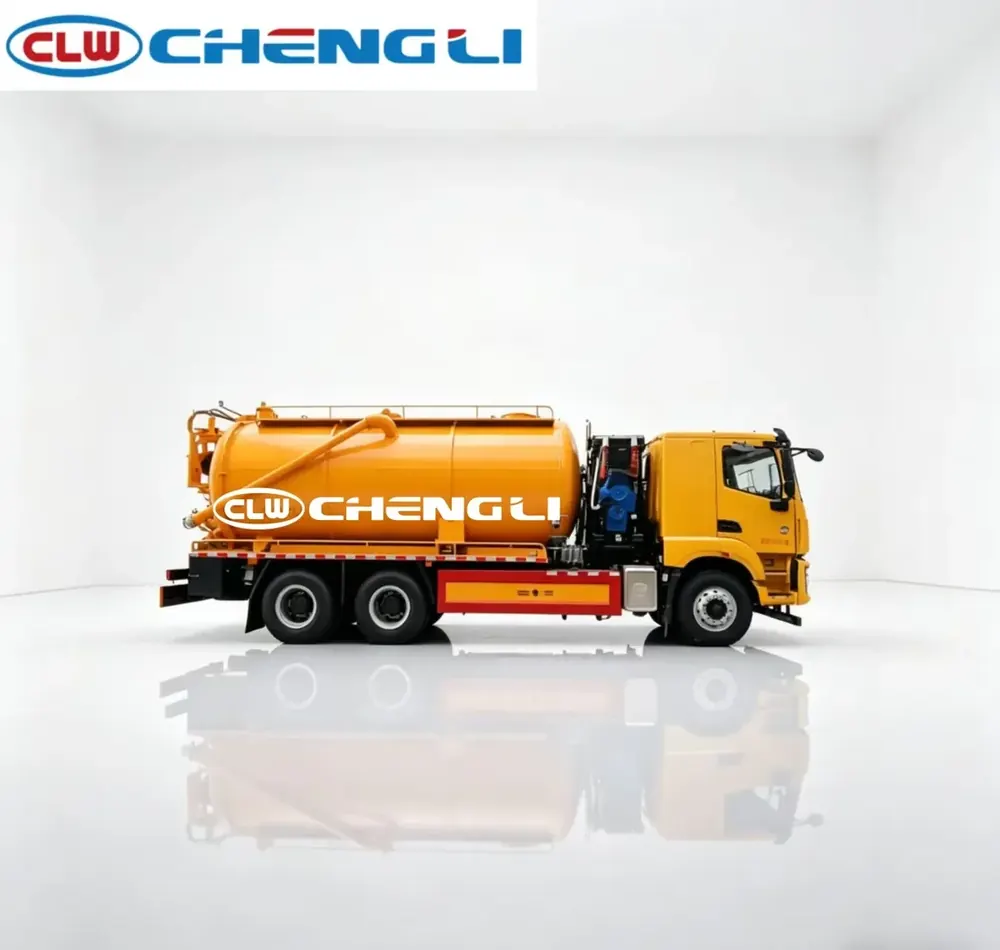
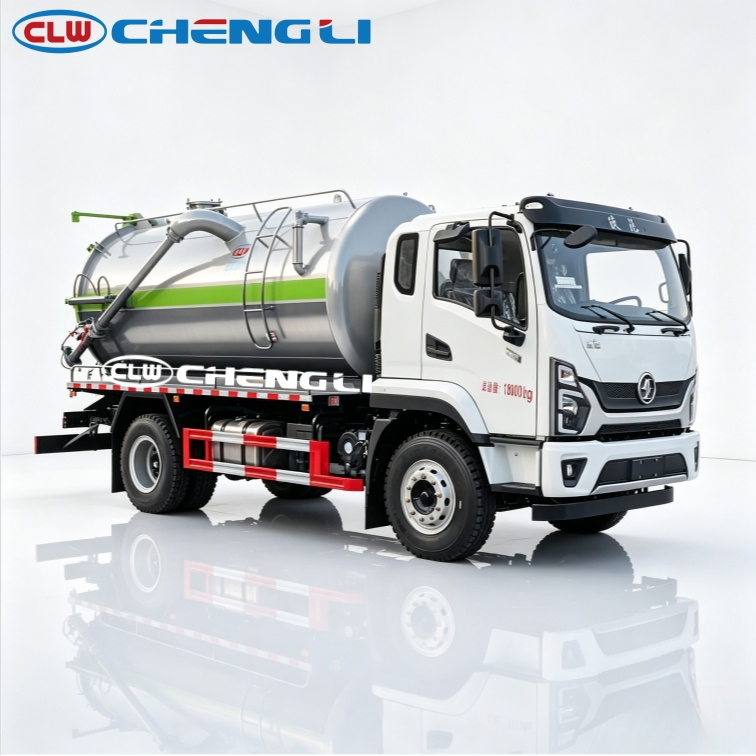
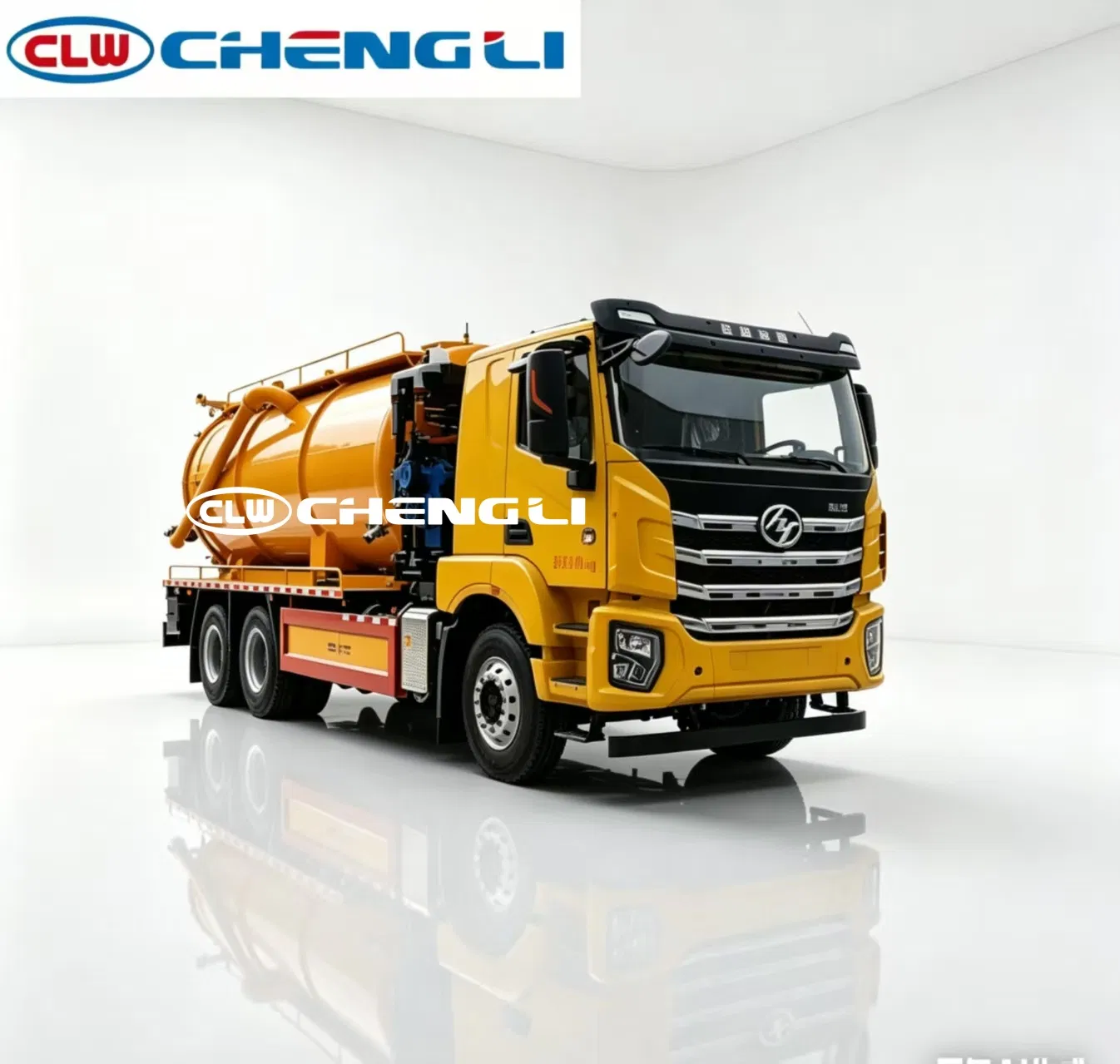
The catalogue includes Shacman 15.0 m³ Vacuum Sewage Truck, Isuzu 6.0 m³ Vacuum Sewage Truck and Dongfeng 8×4 Combined Sewer Cleaning Truck. Use these configurations to begin a comparison, then ask for the selected chassis, body and equipment to be identified against your operating requirement. The vehicles are examples from the range, rather than interchangeable answers to the same job. Confirm the completed weights, usable capacity and relevant equipment limits separately. Ask the supplier to list differences, options and unresolved inputs so that the final price comparison also remains a comparison of the actual configuration being offered.
For an illustrative service route, a shallow collection point beside the road and a distant chamber reached through a long hose present different selection questions. Describe each site and the material instead of asking for one universal suction figure. Review the loading, travel and unloading cycle together. This example identifies information for an equipment assessment; it does not establish a suction depth, loading rate or approved cleaning method for either site.
| Decision area | Information to provide | What to confirm |
|---|---|---|
| Material | Waste type, solids and consistency | Medium compatibility and system limitations |
| Collection point | Vertical difference, access and hose route | Pump and hose arrangement for the duty |
| Storage | Required usable volume and expected mass | Tank, completed weights and loading plan |
| Unloading | Facility access and permitted discharge method | Discharge equipment and operating clearances |
Prepare the quotation request
Send the actual collection and unloading details with the destination country, port, quantity and driving-side requirement. Ask for a written configuration showing the tank, pump, hose package and protective equipment. When comparing prices, distinguish supplied equipment from options and confirm the inspection and shipping basis. A clear duty description is more useful than requesting the strongest suction truck without describing where and how it must work.
Explore the vacuum trucks range, then use the enquiry form below to request a written quotation for your application.
Configurations to compare
Frequently asked questions
Does a bigger tank increase suction depth?
Tank volume and suction duty are separate considerations. Pump, hose, material and site conditions must be assessed together.
Can one hose package suit every collection point?
Confirm the required length, route, diameter, connections and handling arrangement for the actual sites.
Can a standard sewage truck handle hazardous material?
Do not assume that it can. Such a duty requires a separate specification, compatibility assessment and applicable approvals.
Related guides
Request a quotation for your application
Include the working conditions, country, quantity and configuration requirements described in this guide.