
Buying Guides
Water Bowser Tank Size: A Guide for African Contractors
Match water bowser tank capacity to the daily water duty, refill cycle, completed-vehicle weights and access before comparing quotations.
Key takeaways
- Define the water duty before choosing capacity.
- Map the full refill and delivery cycle.
- Check completed-vehicle weights separately from volume.
- Compare complete tank, chassis and discharge configurations.
Water bowser tank size should follow the amount of usable water needed between refill opportunities, the route and the limits of the completed vehicle. Choosing the largest tank without those checks can create a truck that is difficult to position, expensive to refill or unsuitable for the roads it must use. A small tank can also be inefficient if the vehicle spends much of its shift travelling to a refill point.
This guide helps African contractors and fleet managers describe road-watering, site-supply and dust-control requirements before comparing water truck configurations. Start with the duty cycle and establish the conditions that each quotation must address.
1. Define the water duty before choosing capacity
Identify what the vehicle is expected to do: water a haul road, supply a work site, wash a surface or support several tasks during one shift. Each duty changes how water leaves the tank and how the vehicle is positioned. Record the working area, route length, operating hours and the outlets used. Explain whether the water is technical water or intended for another purpose that requires a different tank specification.
A road-watering configuration should not be assumed suitable for drinking-water service. Tank materials, coatings, fittings, cleaning arrangements and any applicable documentation must be checked against the intended use. Keep that decision separate from tank size. A useful request describes the application first, then asks which completed vehicle and water-handling equipment can meet it within the relevant operating limits.
2. Map the complete refill cycle
Measure the distance and time between the work area and the available refill point. Include access, queuing, positioning, filling and the return journey. A refill location that looks close on a map may involve a slow crossing, restricted entry hours or a shared filling connection. The refill process can become the limiting part of the shift, even when the truck carries a larger tank.
Ask how the proposed vehicle can be filled at that location and what equipment the buyer must provide. Filling through a pressurized connection is a different requirement from drawing water through an agreed pumping arrangement. Confirm connection sizes, practical access and any operating restrictions with the supplier. Do not treat a generic mention of self-priming or self-filling as proof that a particular installation will work at the planned site.
3. Use volume calculations as planning checks
Estimate the water required for the work rather than multiplying tank size by an optimistic number of trips. Consumption depends on the application, discharge pattern, flow and operating time. For dust control, road condition, traffic, weather and the required treatment pattern all affect the working plan. Obtain site measurements where possible and distinguish an estimate from an acceptance requirement.
For a simple arithmetic example, delivering 60,000 L with a usable load of 12,000 L would require at least five loaded cycles. That example does not allow for time lost in the refill queue, residual water, additional cleaning or interruptions. Use it to test whether the working schedule is plausible, then review the assumptions. Tank nameplate capacity and the water actually available for the assigned duty need not be identical.
4. Check vehicle weights and access independently
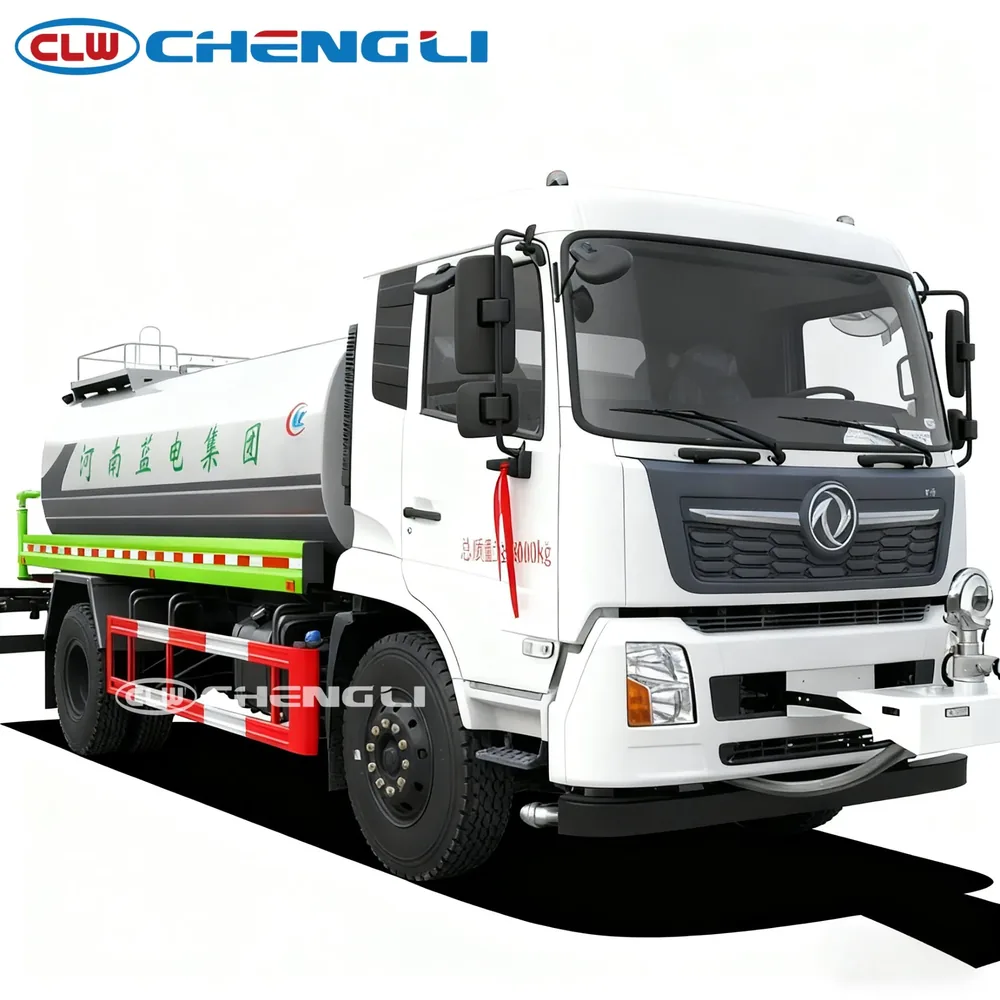
Water is a substantial load: for preliminary planning, 1,000 L is approximately one tonne, with the exact mass depending on water conditions. The tank, pump, piping, fuel, crew and other equipment also contribute to the completed vehicle's weight. Confirm permissible gross and axle loads for the actual configuration and destination. Do not infer permission to carry a full tank from volume alone.
Consider the turning area at refill points and the access available beside the work. Record gradients, surface condition, weak structures and any dimension restrictions. A longer wheelbase or a different axle arrangement may change how the vehicle fits the route. These are configuration checks, not reasons to assume that every truck in a nominal capacity band has the same access or load characteristics.
5. Compare complete configurations with the same duty assumptions
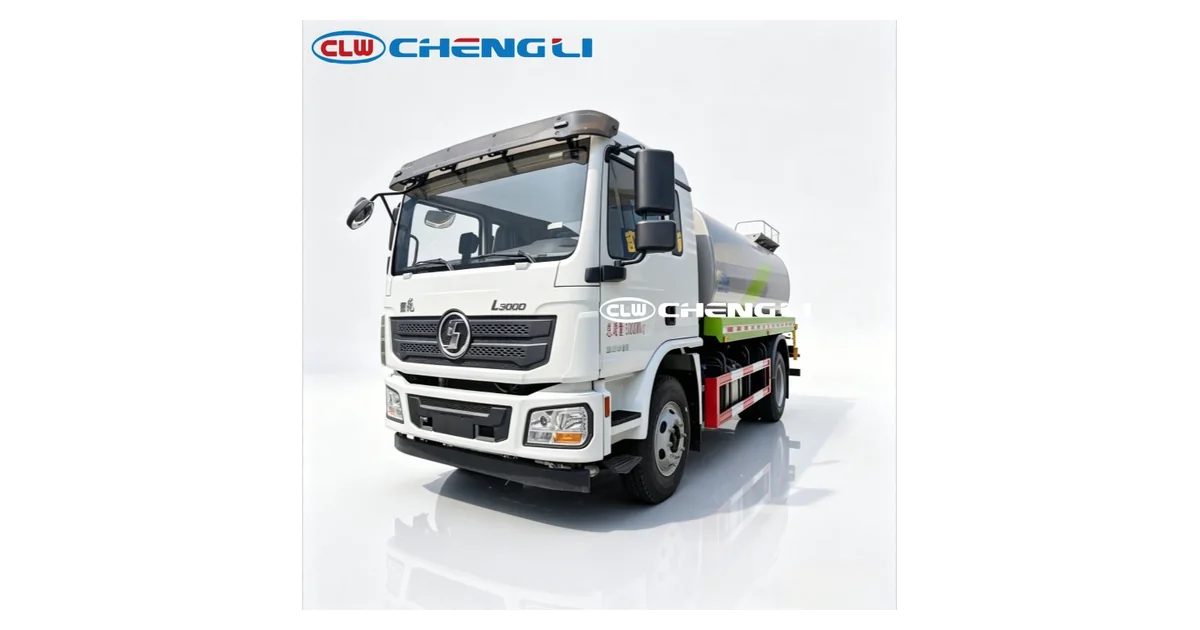
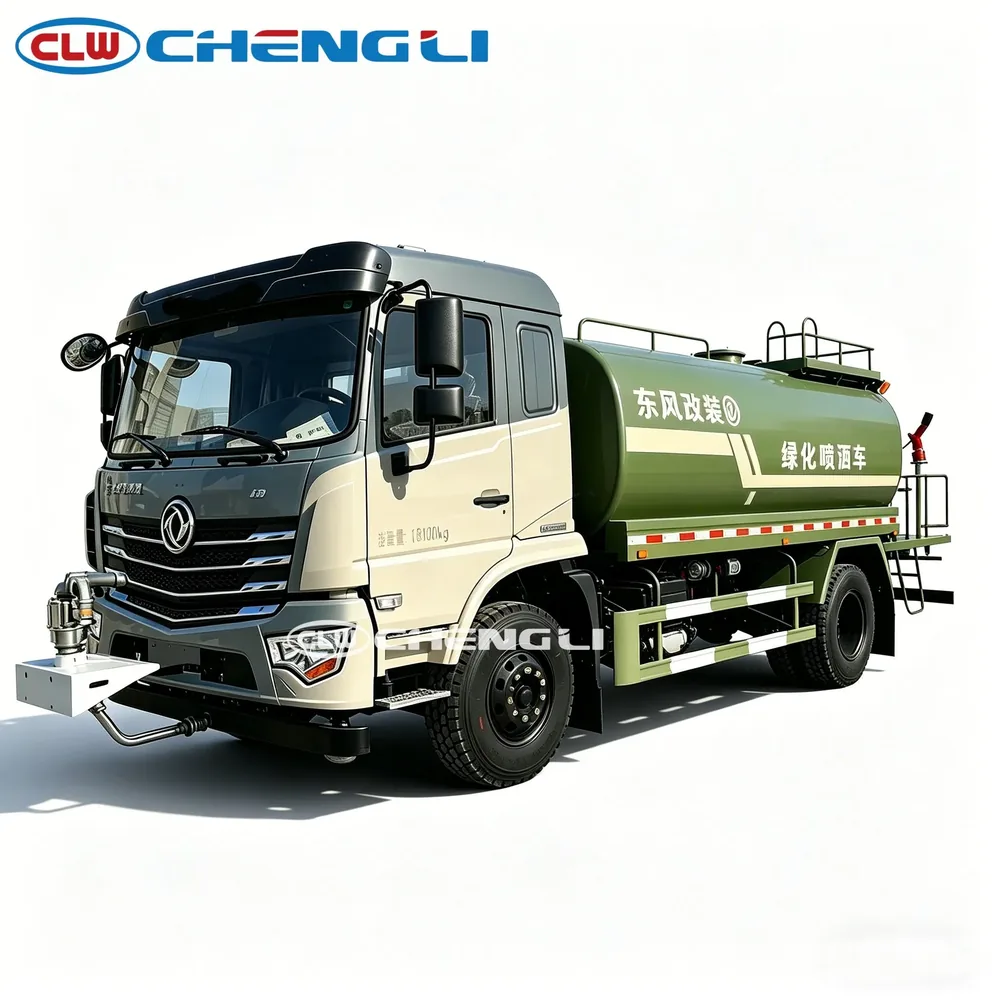
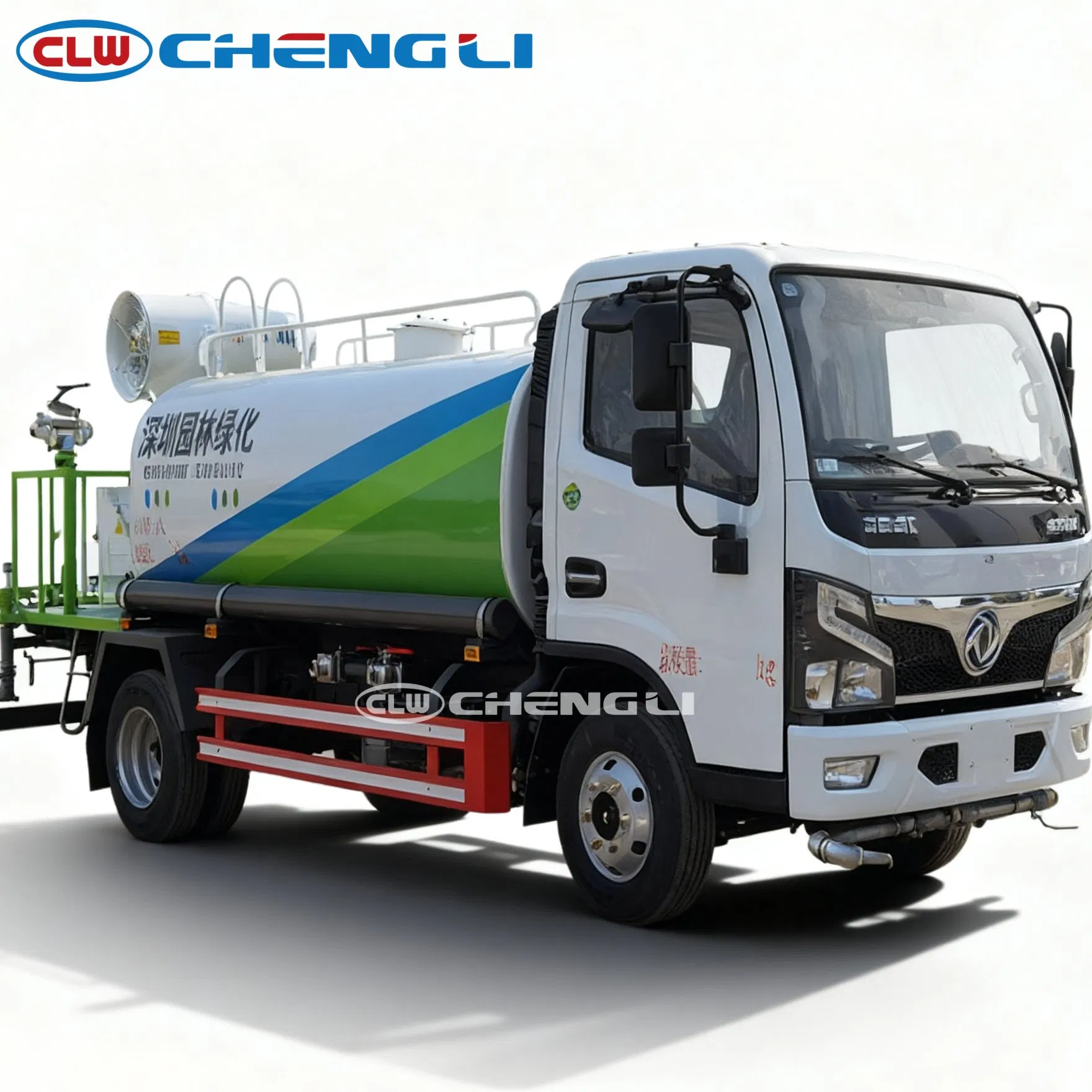
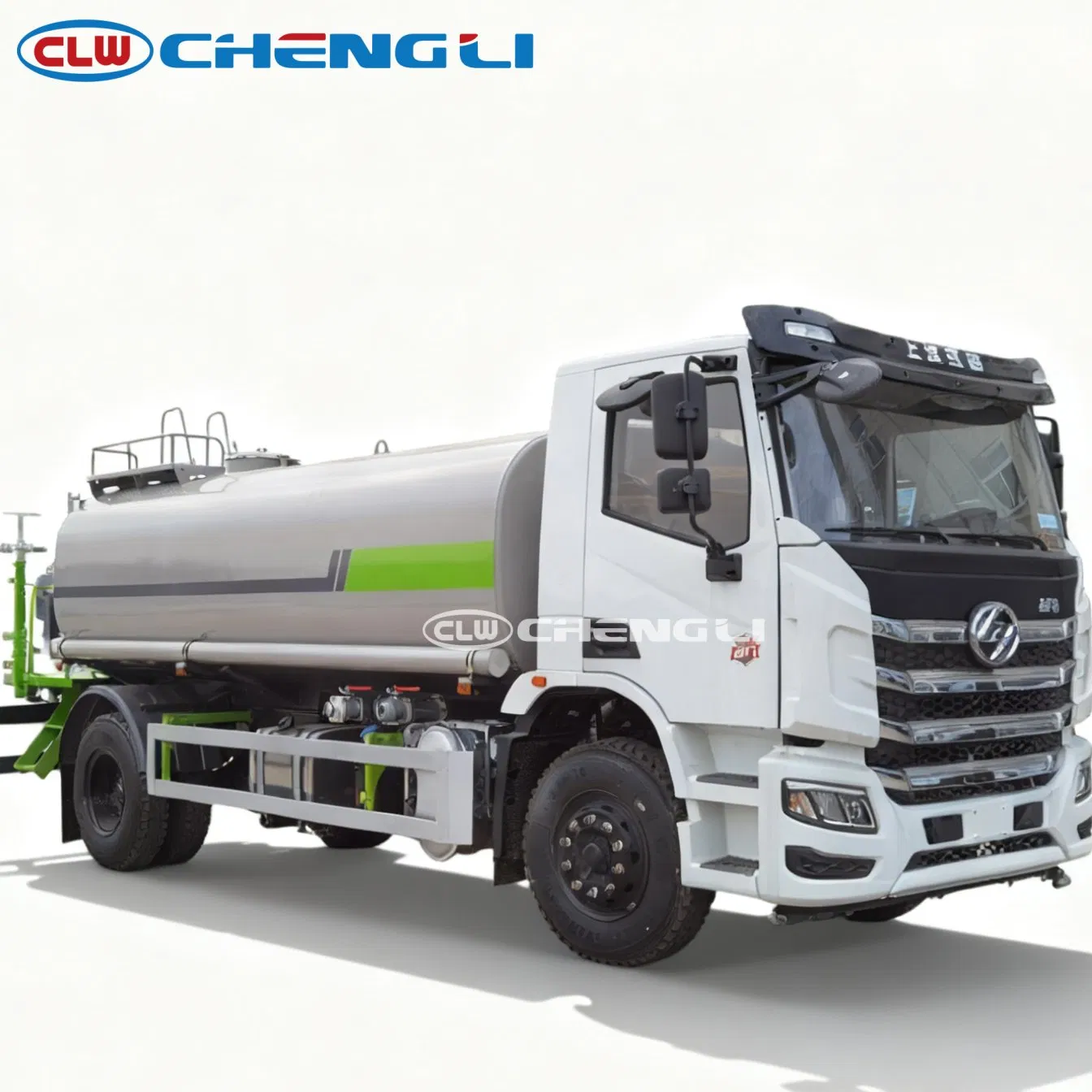
The catalogue includes a Dongfeng 12,500 Litre Water Truck, a HOWO 13,000 Litre Water Truck and a Shacman 14,000 Litre Water Truck. Those examples help frame a comparison; they do not establish interchangeable payload, equipment or destination approval. Confirm each vehicle against the same route and refill plan.
| Planning input | Question for the buyer | Check in the quotation |
|---|---|---|
| Daily water duty | How much water is required and how will it be discharged? | Usable tank volume and specified outlet equipment |
| Refill cycle | Where is water available and how long does filling take? | Filling method, connections and required auxiliary equipment |
| Vehicle load | What limits apply to the completed vehicle and route? | Vehicle weights, axle loads and relevant documents |
| Working access | Can the truck reach and turn at the work and refill points? | Dimensions, wheelbase and operating restrictions |
| Commercial scope | Which equipment, documents and transport costs are included? | Itemized configuration and quotation basis |
Ask the supplier to distinguish standard equipment from options. A larger tank with unspecified spray equipment is not a direct substitute for a smaller, fully described watering system. Make any expected flow, working pattern or acceptance check explicit so that a price comparison also remains a technical comparison.
6. Turn the working plan into an RFQ
Send the application, estimated daily water demand, refill information, route conditions, preferred capacity range and required discharge equipment. Add the country, destination port, quantity and driving-side requirement. Photographs of filling connections and constrained work areas can help resolve issues that a broad description such as construction water truck leaves open.
Request a written specification for the selected tank and chassis, with the filling and spray equipment identified. Confirm how inspection, export documents, shipping and destination requirements will be handled for the order. No tank-size calculation can establish all of those conditions by itself. Use the water truck and bowser range to start the discussion, then submit the operating details through the form below.
Configurations to compare
Frequently asked questions
Does tank volume determine the permissible water load?
No. Confirm completed-vehicle weights, axle limits and the actual loading condition separately.
Does a larger tank always reduce operating cost?
The result depends on the work, refill cycle, access and complete vehicle configuration.
Can a watering truck carry drinking water?
Do not assume suitability. Tank material, fittings, cleaning and applicable documentation require a separately confirmed specification.
Related guides
Request a quotation for your application
Include the working conditions, country, quantity and configuration requirements described in this guide.