
Buying Guides
Water Truck Pumps and Spray Systems: What to Specify
Specify a water truck pump by its required duty and connected outlets, then check how the complete system will fill, spray and discharge on the intended route.
Key takeaways
- Describe the discharge job first
- Ask for a duty point, rather than a maximum figure
- Map filling arrangements and the available water source
- Select outlets and controls as one system
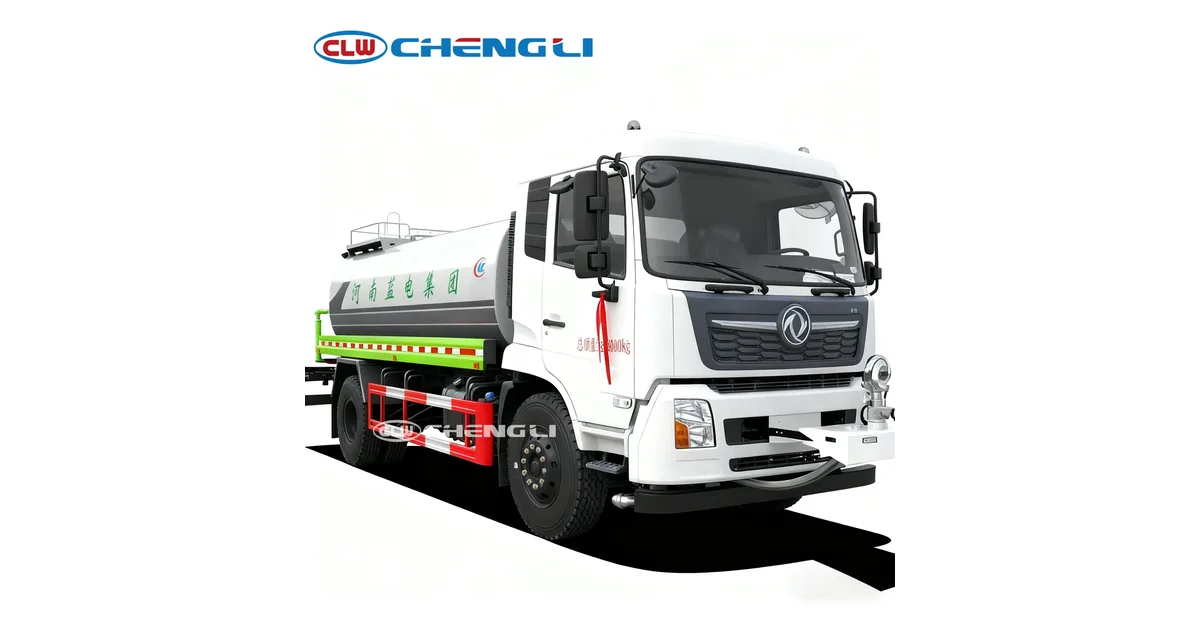
Specify a water truck pump by its required duty and connected outlets, then check how the complete system will fill, spray and discharge on the intended route. A pump label or a photograph of a water cannon cannot establish the working result. Contractors need a configuration that suits the available water source, vehicle loading plan and treatment pattern. This guide provides a practical sequence for describing that requirement before comparing quotations.
1. Describe the discharge job first
Start with the task at the outlet. Road watering, surface washing, irrigation support and supplying another tank do not necessarily need the same flow, pressure or discharge pattern. List the tasks that belong to a normal shift and identify which must happen simultaneously. Explain whether the truck works while moving or discharges while stationary. These details help distinguish a useful equipment requirement from a list of accessories.
For each task, describe the coverage or delivery result you want the supplier to assess. Include the area, route length, working speed where relevant and any restrictions near pedestrians, traffic or buildings. Avoid defining success only as a long spray distance. A distant stream may be irrelevant to uniform road treatment, and its actual reach depends on the specified system and operating conditions.
2. Ask for a duty point, rather than a maximum figure
Flow and pressure are related characteristics of the selected pump. Ask the supplier to state the required operating point and the conditions at which the proposed equipment can deliver it. A maximum-flow figure quoted without the corresponding pressure is an incomplete basis for comparing two installations. The pump’s capability must also be considered with its drive arrangement and permissible operating conditions.
Make the supplier aware of the outlet arrangement, pipe sizes and expected simultaneous functions. Losses through pipework, bends, valves and nozzles affect the duty at the discharge point. If a quotation lists several pump options, ask which option is actually included and what information remains necessary to confirm the selection. Keep a configuration-specific pump specification with the vehicle offer.
3. Map filling arrangements and the available water source
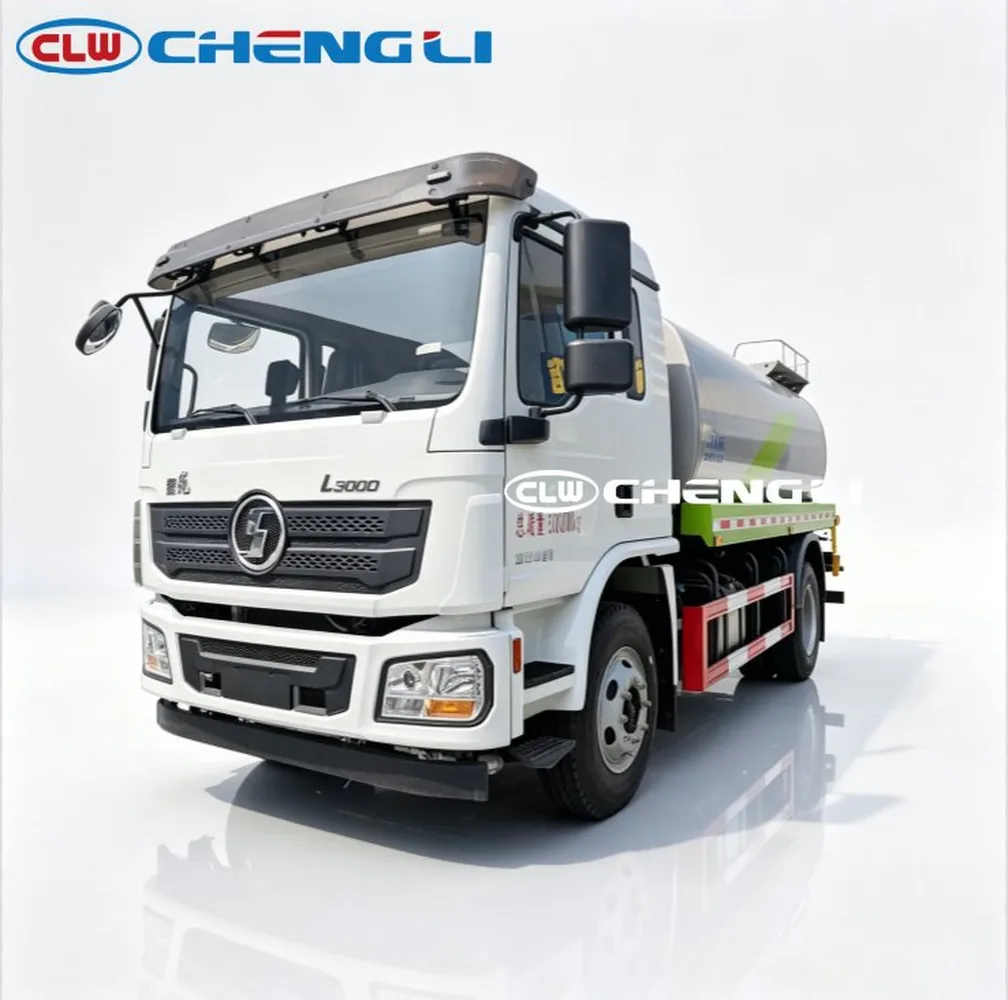
A workable discharge system also needs a practical filling method. Explain whether the site provides a pressurized supply, a tank connection or another water source that requires a pumping arrangement. Record access to the source and the expected connection location. If drawing water is required, provide the height difference and proposed hose route for the supplier’s assessment.
Confirm the specified hoses, strainers, couplings and valves, including which items belong to the buyer. Do not assume that a general self-filling description covers every source or hose length. Refill time should be evaluated as part of the complete working cycle, including queuing and positioning. A truck that fills slowly or cannot reach the available connection may lose more working time than a larger tank can recover.
4. Select outlets and controls as one system
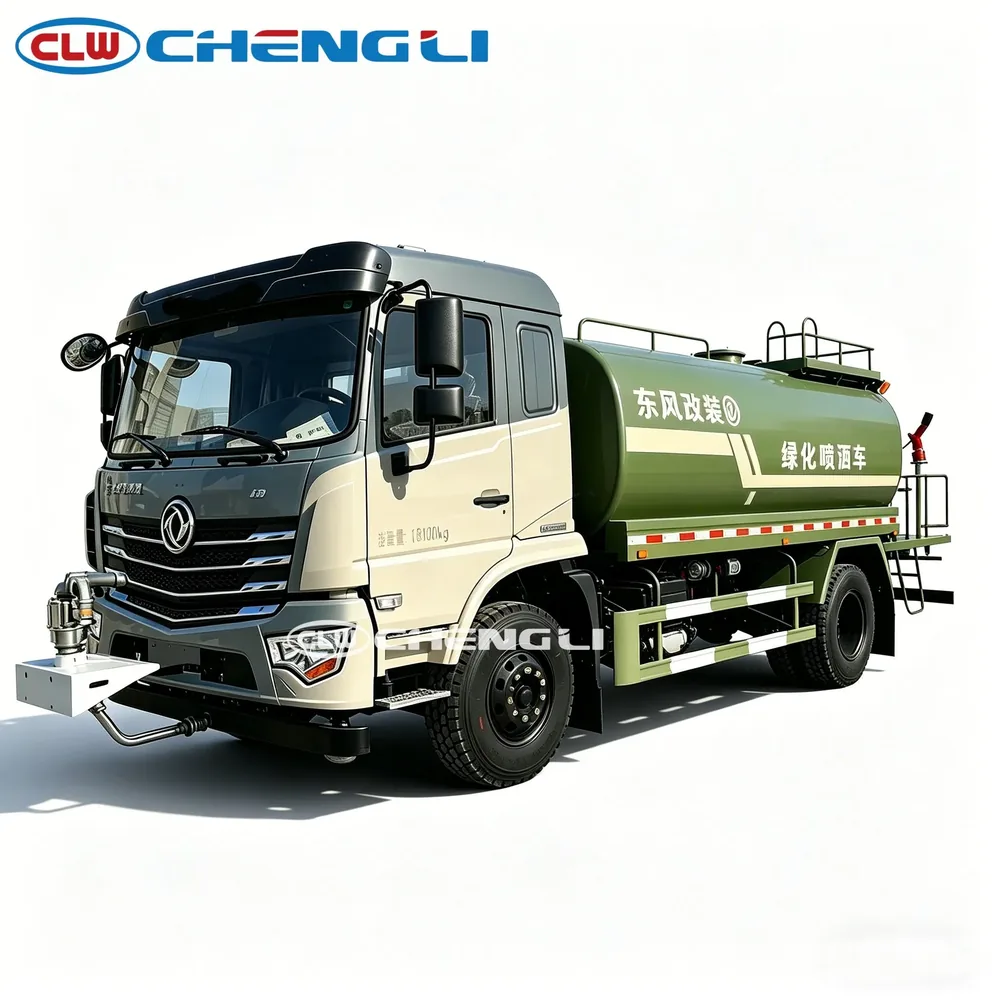
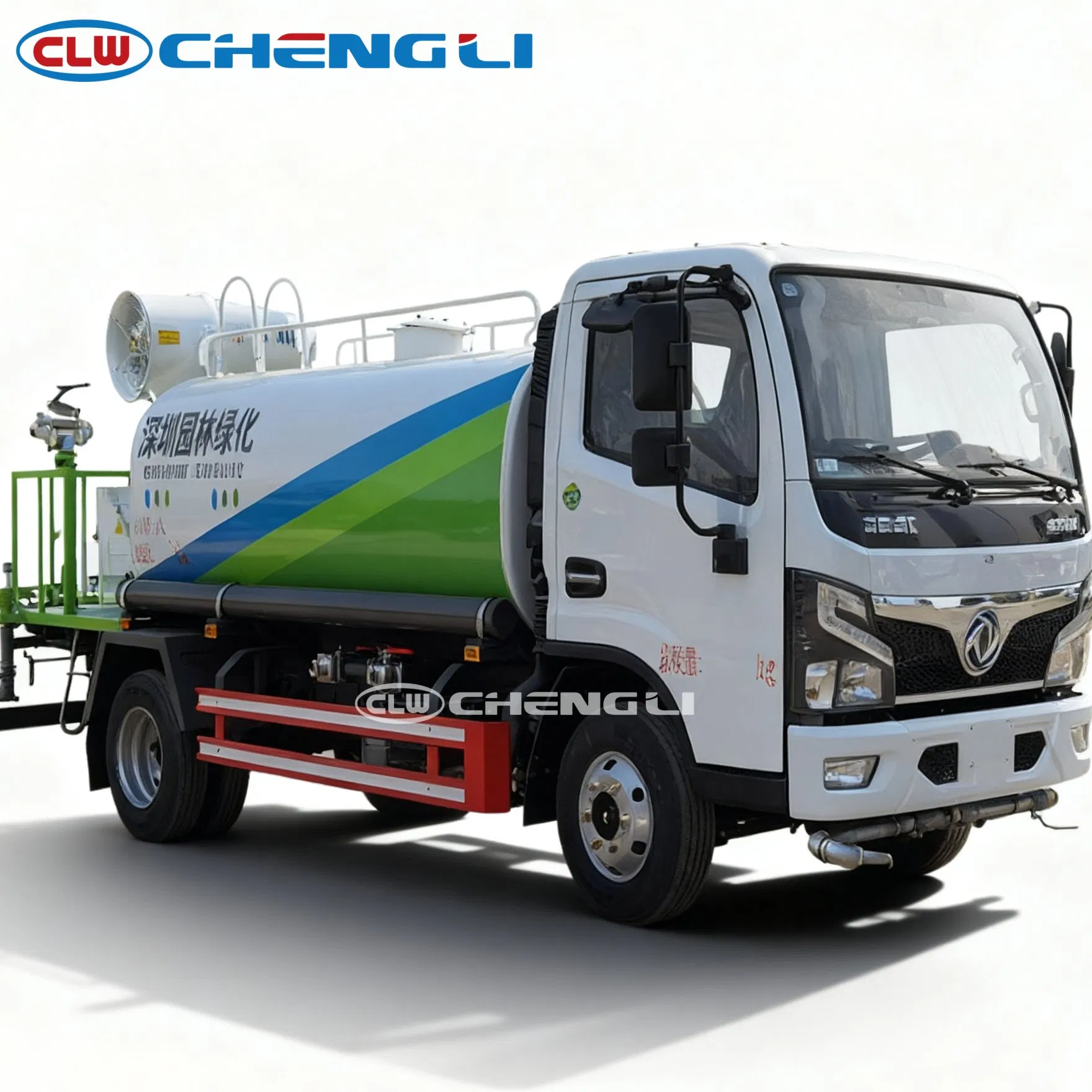
Identify the required front and rear spray bars, side outlets, monitor and hose connections. Specify the intended use of each and ask how the flow is controlled. Where the operator needs cab controls, remote controls or manual valves, make that requirement explicit. An accessory shown on an example truck should not be assumed included in the quoted configuration.
Review how the controls fit the normal job sequence. Switching between discharge functions, refilling and transport should be explained in the operating information for the selected system. Ask which functions can be used together and which require a change in operating mode. This avoids comparing a basic watering configuration with a vehicle carrying a substantially different pumping and control package.
5. Check water compatibility and maintenance access
Describe the water quality and any sediment expected at the filling point. The pump and connected equipment must be assessed for the actual medium. Tank material, internal treatment and cleaning arrangements also need to suit the intended service. A road-watering truck should not be treated as a drinking-water carrier without a separately confirmed specification and relevant documentation.
Ask how strainers, seals, valves and service points can be reached for inspection and maintenance. For dusty construction work, include the site environment and washing practice in the enquiry. Establish what operating instructions, component identification and recommended spares accompany the selected equipment. These questions support an equipment comparison without assuming a particular service interval or after-sales commitment.
6. Agree a configuration-specific acceptance check
Define what should be demonstrated before shipment. The agreed check can identify the selected pump, specified outlets, control functions, filling connections and any performance measurements included in the contract. Record the conditions of the demonstration so that a result has a clear meaning. A video of a different vehicle does not establish the performance of the ordered installation.
Ask for a final equipment list and a drawing or layout where needed. Keep changes to the pump, tank, controls or accessories visible in revised quotations. If an expected result cannot yet be confirmed, identify the missing input rather than accepting a broad assurance. The goal is a system whose specification and acceptance basis both describe the same working duty.
Compare configurations against the same requirement
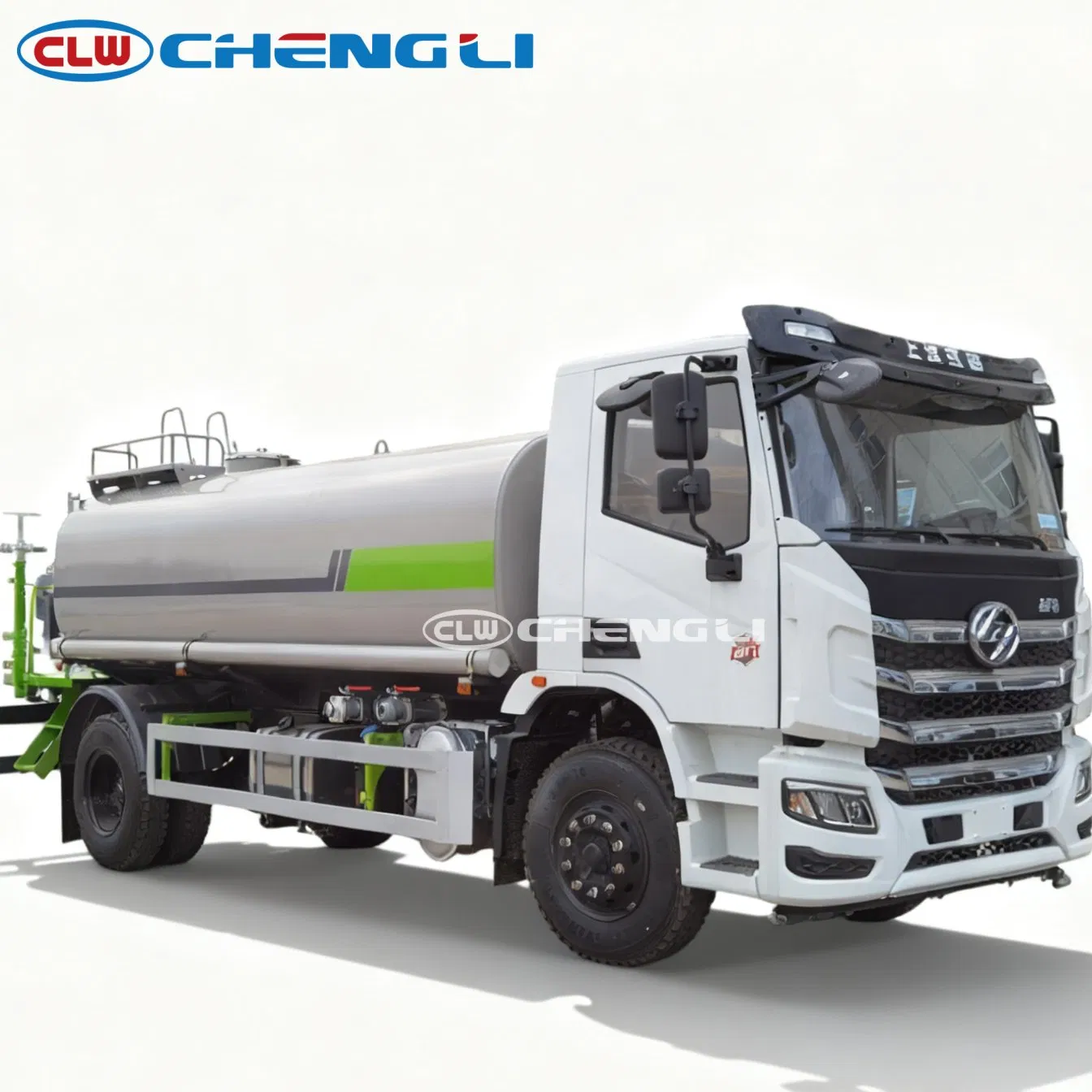
The catalogue includes Dongfeng 12,500 Litre Water Truck, HOWO 13,000 Litre Water Truck and Shacman 14,000 Litre Water Truck. Use these configurations to begin a comparison, then ask for the selected chassis, body and equipment to be identified against your operating requirement. The vehicles are examples from the range, rather than interchangeable answers to the same job. Confirm the completed weights, usable capacity and relevant equipment limits separately. Ask the supplier to list differences, options and unresolved inputs so that the final price comparison also remains a comparison of the actual configuration being offered.
For an illustrative watering job, a road-spray function and a stationary hose-delivery function may require different outlet and control arrangements. List the two tasks separately and ask the supplier to assess whether the specified installation supports their intended sequence. This planning example does not predict a flow, spray distance or refill time. The useful outcome is a written description of the functions and the operating conditions that the quoted equipment must address.
| Decision area | Information to provide | What to confirm |
|---|---|---|
| Watering duty | Coverage, route and operating pattern | Specified outlets and required duty point |
| Filling | Source, access and connection details | Filling method and supplied accessories |
| Controls | Operator location and simultaneous functions | Control arrangement and operating modes |
| Verification | Agreed measurements and demonstration conditions | Inspection scope for the ordered configuration |
Prepare the quotation request
For a useful pump and spray-system enquiry, send the country, quantity, water source, treatment task, expected operating pattern and preferred tank capacity. Include photographs of filling points and constrained work areas. Ask for the selected pump model, outlet list, control package and quotation basis in writing. Shipping and export documents can then be discussed against a defined vehicle configuration, with unresolved technical questions recorded before an order is placed.
Explore the water trucks range, then use the enquiry form below to request a written quotation for your application.
Configurations to compare
Frequently asked questions
Can maximum flow and maximum pressure be assumed available together?
No. Request the specified duty point and the conditions at which the selected pump delivers it.
Are all spray accessories in the photograph included?
Only equipment identified in the written quotation should be treated as included.
What information is needed for the filling system?
Provide the water source, connection arrangement, height difference where relevant, hose route and access restrictions.
Related guides
Request a quotation for your application
Include the working conditions, country, quantity and configuration requirements described in this guide.