
Buying Guides
Fire Truck Tank and Pump Selection for Industrial Sites
An industrial fire-truck specification should follow the site’s response plan and the requirements of the responsible fire and safety specialists.
Key takeaways
- Define the vehicle’s role within the response plan
- Assess storage with the water-supply arrangement
- Specify pump duty with its operating conditions
- Review interfaces, crew and equipment storage
An industrial fire-truck specification should follow the site’s response plan and the requirements of the responsible fire and safety specialists. Water storage, pump duty, discharge devices, crew and carried equipment need to be considered together. A tank-volume headline cannot demonstrate firefighting capability for a particular facility. This guide organizes the procurement questions needed before requesting an itemized vehicle configuration.
1. Define the vehicle’s role within the response plan
Ask the responsible organization to identify the intended role: initial response, water supply, a specified foam capability, equipment transport or another defined function. The vehicle should fit the facility’s risk assessment and response arrangements. It should not be chosen from a general industrial-use label without that specification.
Describe the facility layout, access routes and the equipment with which the vehicle must interface. Identify who approves the technical requirement and what tender or authority conditions apply. Keep operational planning separate from catalogue marketing. The supplier needs a documented requirement against which to propose the tank, pump and equipment, while the responsible specialists retain ownership of the response plan.
2. Assess storage with the water-supply arrangement
Identify the available water supply and the way the vehicle is expected to use it. Tank capacity forms part of that arrangement, but it does not independently establish the duration or outcome of a response. Any required discharge duty and supply assumptions should come from the responsible specialists and be stated explicitly.
Where separate water and foam tanks are proposed, list their capacities independently. Review completed-vehicle weights and axle loading with the full equipment and crew. A larger tank also changes access, travel dimensions and the loading plan. Compare the actual configuration and applicable route constraints rather than assuming that additional storage always improves suitability.
3. Specify pump duty with its operating conditions
Ask for the required pump performance to be defined with its relevant flow and pressure conditions. The supplier should identify the selected pump, drive arrangement, controls and supporting equipment. A maximum figure quoted without its conditions is an incomplete basis for comparing offers. The equipment must be assessed as the installation being ordered.
Identify the discharge devices and connections that form part of the specified duty. Pump performance and performance at connected outlets are related but distinct procurement questions. Ask the supplier to explain the proposed arrangement and identify any limitations. Keep the technical response with the vehicle specification so that a change in pump or equipment remains visible.
4. Review interfaces, crew and equipment storage
Prepare an itemized equipment schedule with the responsible organization. Identify hose connections, monitors, reels and other specified devices, including compatibility with equipment already in use. A truck photograph cannot establish which accessories or fittings belong to the offer. Request the actual list, quantities and component information.
Include crew seating, access to compartments and the arrangement of stored equipment. The final carried load affects the completed vehicle and should be considered in the weight assessment. Ask how equipment is secured for travel and how the specified functions are documented. The vehicle layout should support the agreed role without relying on assumptions about standard equipment.
5. Check station access and service arrangements
Measure doors, gates, turning areas and restrictions on the route to the intended response locations. Obtain the actual vehicle dimensions and consider the loading condition used for the assessment. A large tank or additional equipment may change both access and the support needed at the station. Include these constraints before the chassis is selected.
Review workshop access to the pump, controls and vehicle systems. Identify the operating and service information, component records and support scope included in the quotation. Training and inspection requirements should be agreed explicitly with the responsible organization. Do not infer approval, service life or a response-time commitment from a general fire-truck description.
6. Set an agreed inspection and acceptance package
Write the inspection scope around the ordered vehicle and equipment schedule. It may include identification, dimensions, storage, controls and agreed functional or performance demonstrations. The responsible specialists should establish the requirements and conditions of the checks. A video of another vehicle is not equivalent to the agreed evidence for the actual order.
Confirm what documentation accompanies the vehicle and who reviews it before dispatch. Group management system certificates do not establish approval for a particular firefighting duty or destination. Keep export documents and regulatory requirements separate from technical acceptance. A clear package connects the vehicle configuration, equipment, inspection evidence and commercial terms to the same approved procurement requirement.
Compare configurations against the same requirement
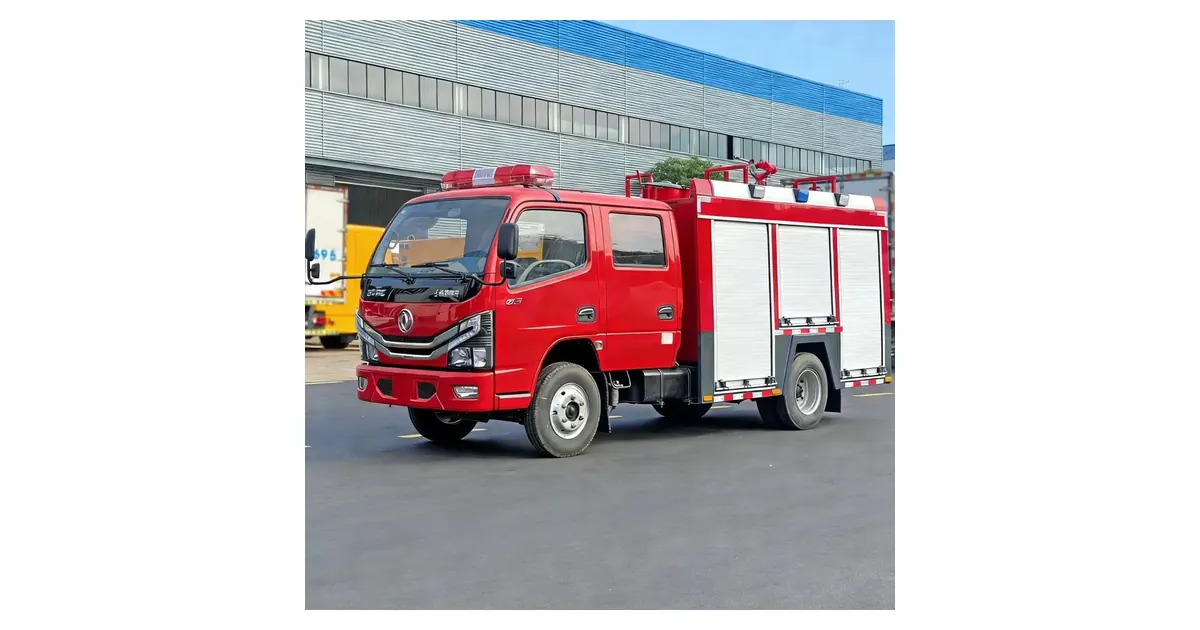
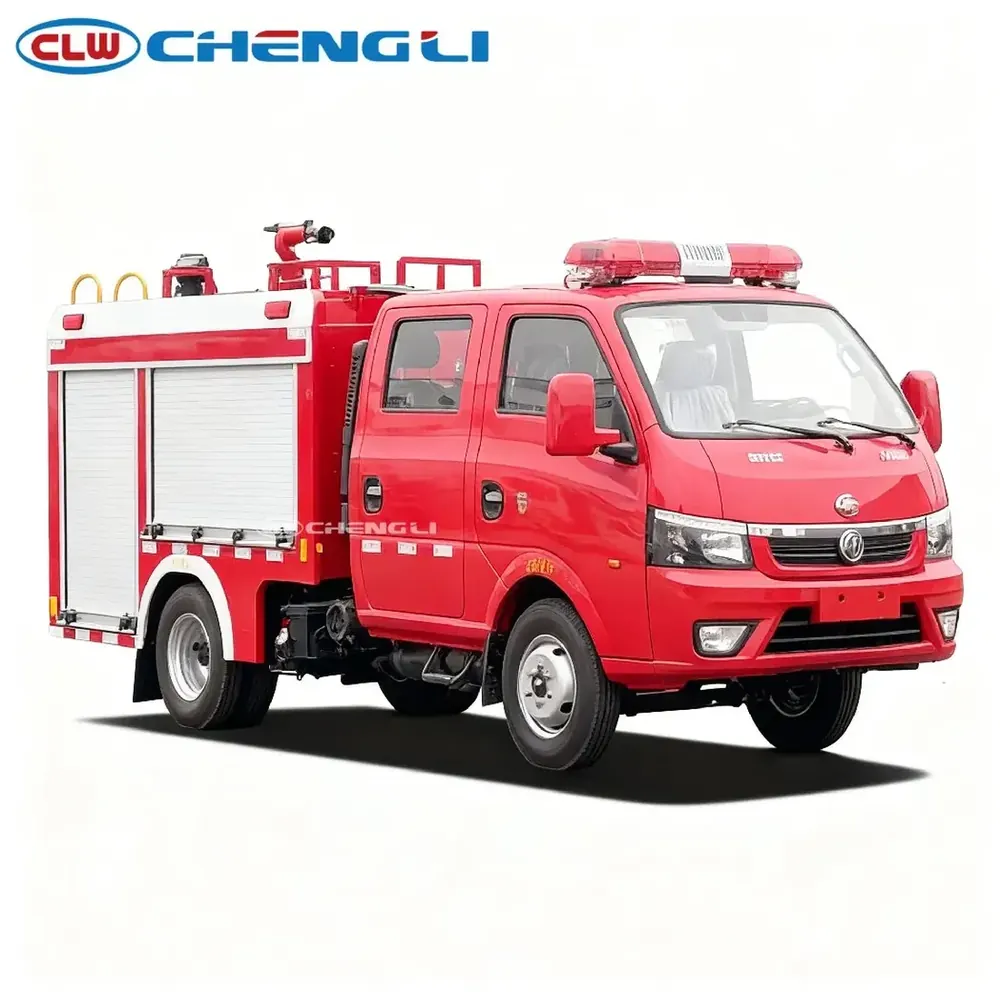
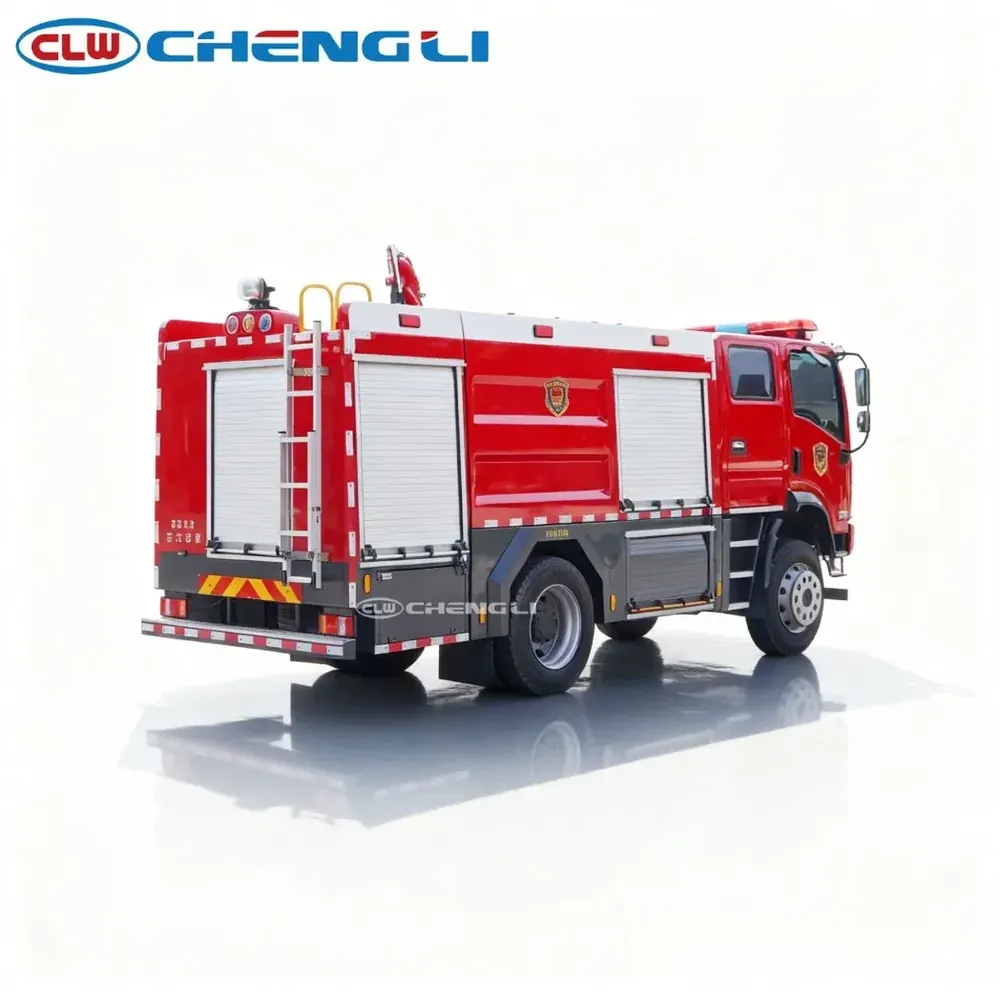
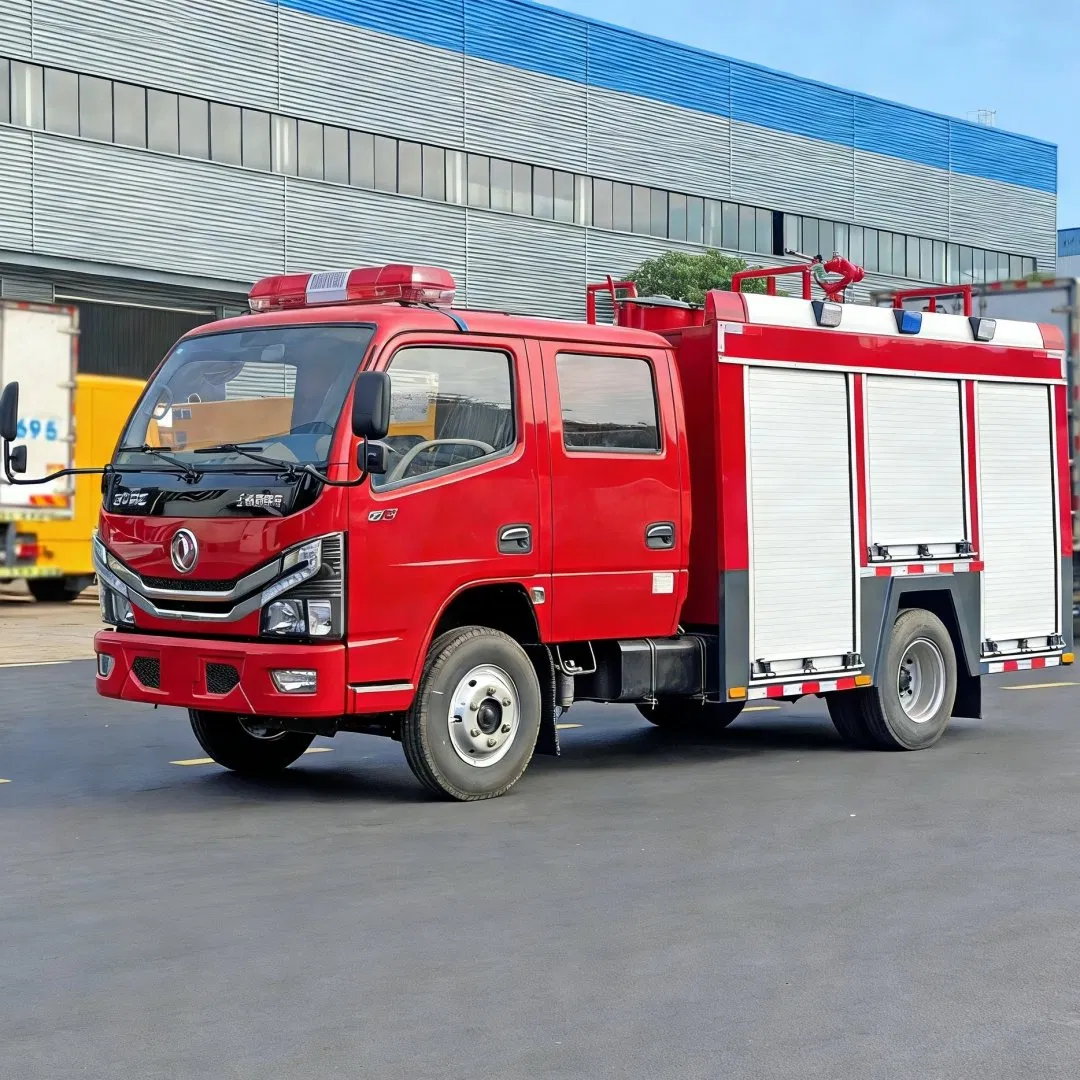
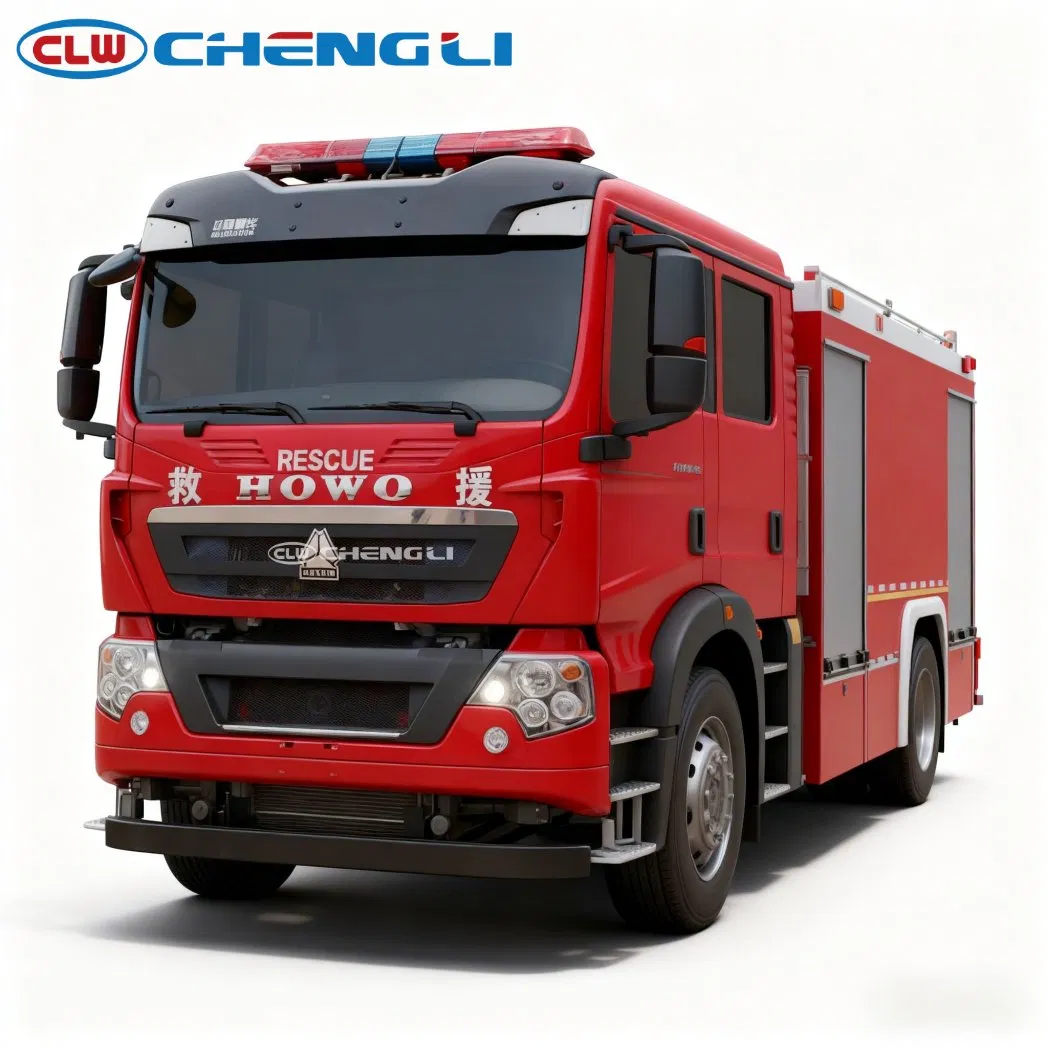
The catalogue includes Dongfeng 4000 Litre Fire Truck, Foton 2600 Litre Fire Truck and HOWO Fire Truck. Use these configurations to begin a comparison, then ask for the selected chassis, body and equipment to be identified against your operating requirement. The vehicles are examples from the range, rather than interchangeable answers to the same job. Confirm the completed weights, usable capacity and relevant equipment limits separately. Ask the supplier to list differences, options and unresolved inputs so that the final price comparison also remains a comparison of the actual configuration being offered.
An illustrative facility enquiry might involve a narrow station entrance and an established external water supply, while another site requires a different water-storage role and equipment interface. Those facts alone do not determine the correct truck. The responsible fire and safety team must define the duty, access and acceptance requirements. The comparison helps organize the RFQ; it does not prescribe a response tactic, tank size or pump setting for either facility.
| Decision area | Information to provide | What to confirm |
|---|---|---|
| Response role | Site plan and responsible technical specification | Vehicle functions and equipment schedule |
| Storage | Water supply and separate tank requirements | Capacities, loading and access assessment |
| Pump | Required duty and connected equipment | Selected pump and performance conditions |
| Acceptance | Authority, tender and inspection requirements | Configuration-specific checks and documents |
Prepare the quotation request
Include the approved response role, facility layout, tank and pump requirements, equipment interfaces and destination in the RFQ. Ask for an itemized configuration and inspection proposal reviewed by the responsible specialists. Commercial comparisons should identify included equipment, shipping, documents and any unresolved technical inputs. The aim is a vehicle specified for a defined response system, with its acceptance basis agreed before ordering.
Explore the fire trucks range, then use the enquiry form below to request a written quotation for your application.
Configurations to compare
Frequently asked questions
Does tank capacity determine firefighting capability?
No. The approved response requirement, water supply, pump, discharge equipment and operating conditions must be assessed together.
Should water and foam capacities be listed separately?
Yes. Identify each tank and confirm the completed loading condition.
Does a group ISO certificate approve a fire truck for a site?
No. Confirm the actual vehicle, equipment, tender and destination requirements separately.
Related guides
Request a quotation for your application
Include the working conditions, country, quantity and configuration requirements described in this guide.