
Buying Guides
Reefer Insulation and Refrigeration Unit Selection Guide
A reefer body and its refrigeration unit should be selected together.
Key takeaways
- Define the cargo and operating profile
- Specify the insulated body as a complete assembly
- Match the unit to the body and duty
- Plan doors, loading and air circulation
A reefer body and its refrigeration unit should be selected together. Insulation, internal dimensions, door arrangement and the delivery pattern all influence the thermal duty. Choosing a unit by brand or choosing panels by thickness alone leaves the complete vehicle requirement unresolved. Buyers should provide a documented cargo specification and a realistic operating profile before comparing refrigerated-truck configurations.
1. Define the cargo and operating profile
State the cargo’s required transport conditions, its loading temperature and the intended trip duration. Describe packaging, pallet layout and the expected number of deliveries. A multi-stop urban route differs from a direct journey even when the vehicle carries the same product. The supplier needs the actual duty to assess the body and cooling equipment together.
Include expected ambient conditions and where loading and unloading take place. Explain whether the vehicle waits at a depot, uses external power or operates while stationary for long periods. Identify which requirements are mandatory and which remain preferences. This prevents a broad refrigerated-transport request from producing offers based on different, unstated operating assumptions.
2. Specify the insulated body as a complete assembly
Ask for the insulation material, panel construction, thickness and internal and external finishes. Review the floor, roof, walls, doors and joints rather than treating one panel thickness as a description of the entire body. The complete assembly and its condition determine how the compartment performs in service.
Confirm usable internal dimensions with the selected lining, refrigeration equipment and any partitions or racks. Extra insulation and interior equipment can change cargo space and completed weight. Ask how the specified body supports cleaning, repairs and inspection of seals and joints. A body comparison should connect construction details to the cargo operation, not simply rank offers by the largest thickness figure.
3. Match the unit to the body and duty
Request a refrigeration-unit selection for the actual body and operating profile. The assessment needs the required compartment conditions, ambient assumptions, insulation, door openings and cargo-loading conditions. Unit performance should be stated with its relevant conditions; a model name or minimum thermostat setting is insufficient for a complete comparison.
Ask which unit, drive arrangement and controls are included. Where several brands or models are offered, require the selected option to be identified in the quotation. Clarify any stationary-operation or external-power requirement. Do not assume an alternative unit provides an equivalent result without a configuration-specific assessment and a revised equipment list.
4. Plan doors, loading and air circulation
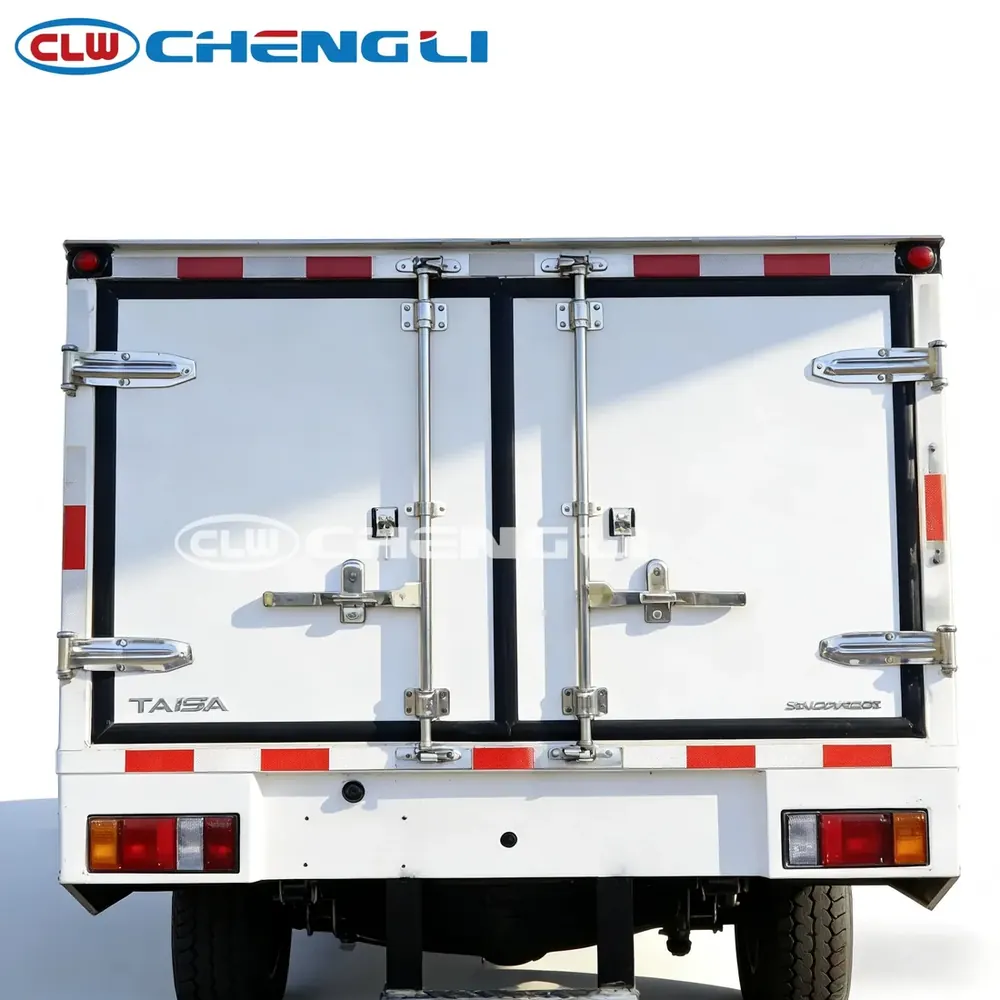
Choose the door arrangement against the way the cargo is handled. A side door may improve access on a delivery round but also changes the body and operating pattern that the supplier must assess. Identify how often doors open and whether the cargo is unloaded in full or in portions. Keep the expected duration of each stop realistic.
Review the proposed load arrangement against the air-circulation requirements of the selected equipment. Pallets, racks and packaging should not be planned solely to fill every visible space. Ask the supplier to identify required clearances and how the interior equipment affects usable loading. The final cargo layout and vehicle operating instructions should describe a compatible arrangement.
5. Include monitoring and maintenance requirements
Decide whether the operation needs temperature recording, alarms, remote information or other monitoring functions. Specify them as equipment requirements and confirm how records are accessed. A cooling controller and an independent recording requirement are not automatically the same thing. The responsible cargo organization should define the evidence it needs.
Review service access to the refrigeration unit, electrical equipment and body components with the workshop. Ask for component identification, operating information and the service scope included in the offer. Confirm how door seals, body damage and insulation condition are inspected under the operator’s procedures. Avoid assuming a maintenance interval or parts commitment from a general unit-brand description.
6. Agree the verification and commercial scope
Define the acceptance evidence for the ordered configuration. Any agreed temperature check needs an identified vehicle, equipment and test conditions, including loading state and measurement arrangement where applicable. A demonstration result without those conditions is difficult to interpret. Validation requirements for sensitive cargo belong in the procurement specification from the start.
Keep body construction, refrigeration unit, controls, monitoring and interior options together in the written quotation. Ask for revised performance and weight information when the package changes. Confirm export documents, shipping and destination requirements separately. Choose the complete body-and-unit configuration against the cargo duty, with limitations and unresolved questions visible before an order is placed.
Compare configurations against the same requirement
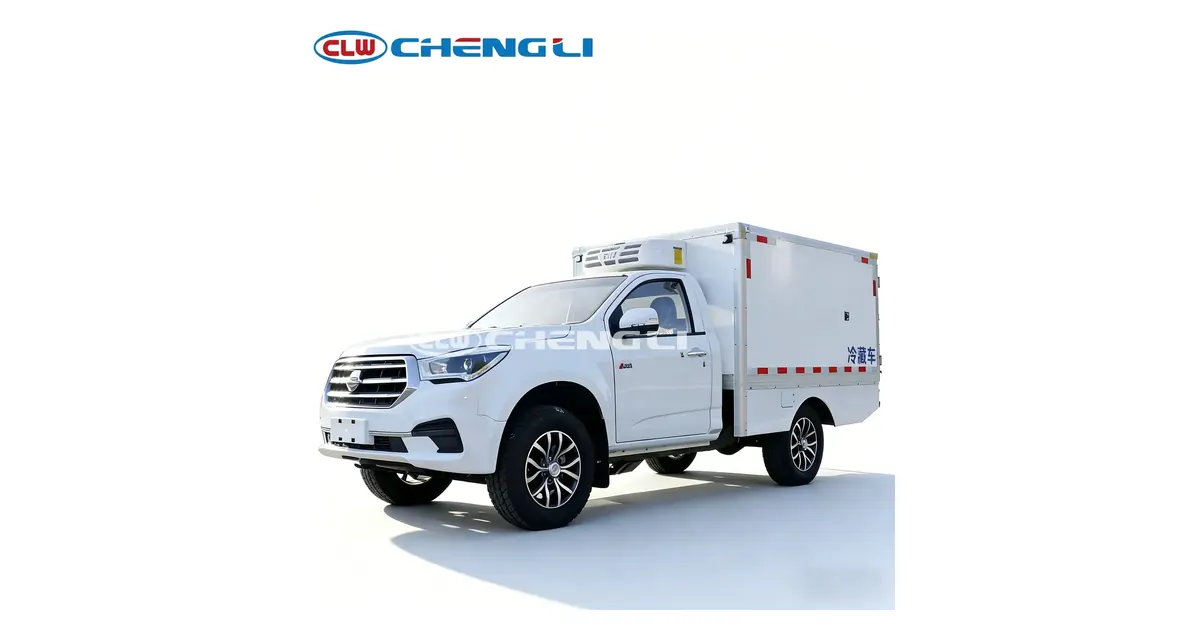
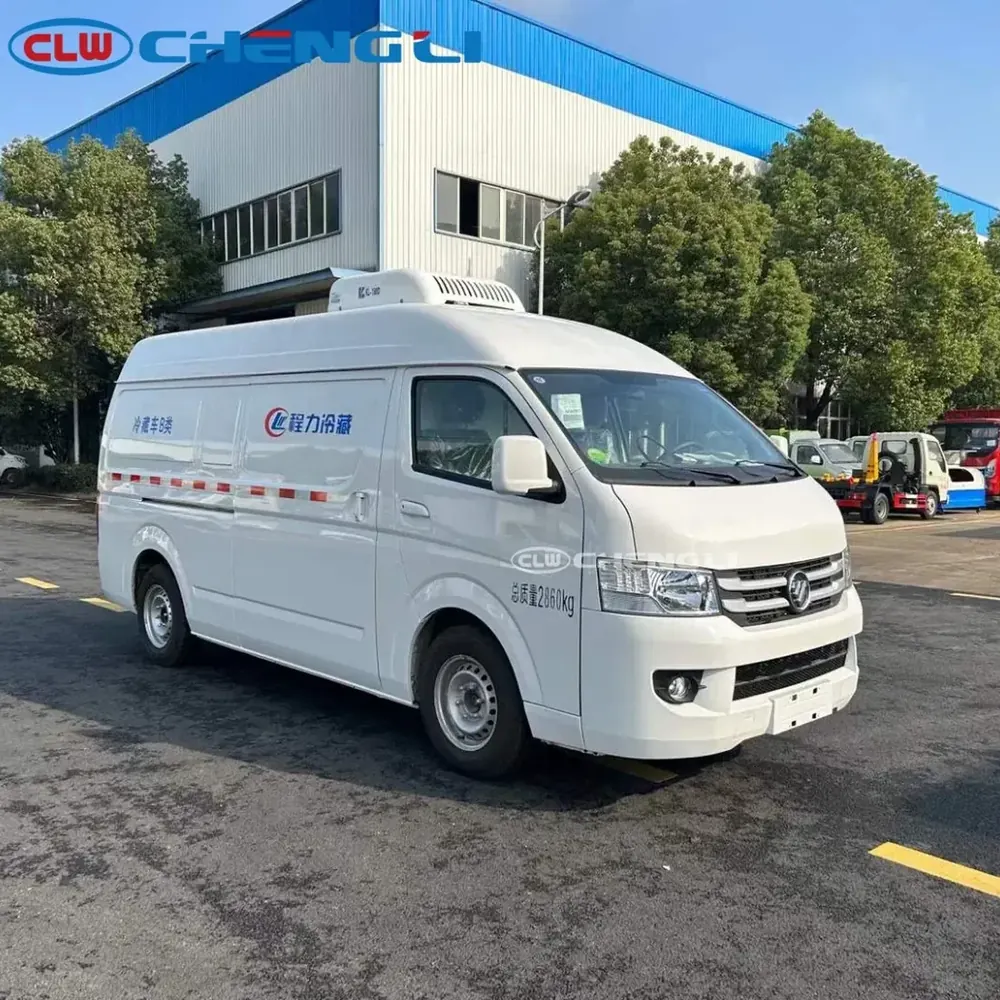
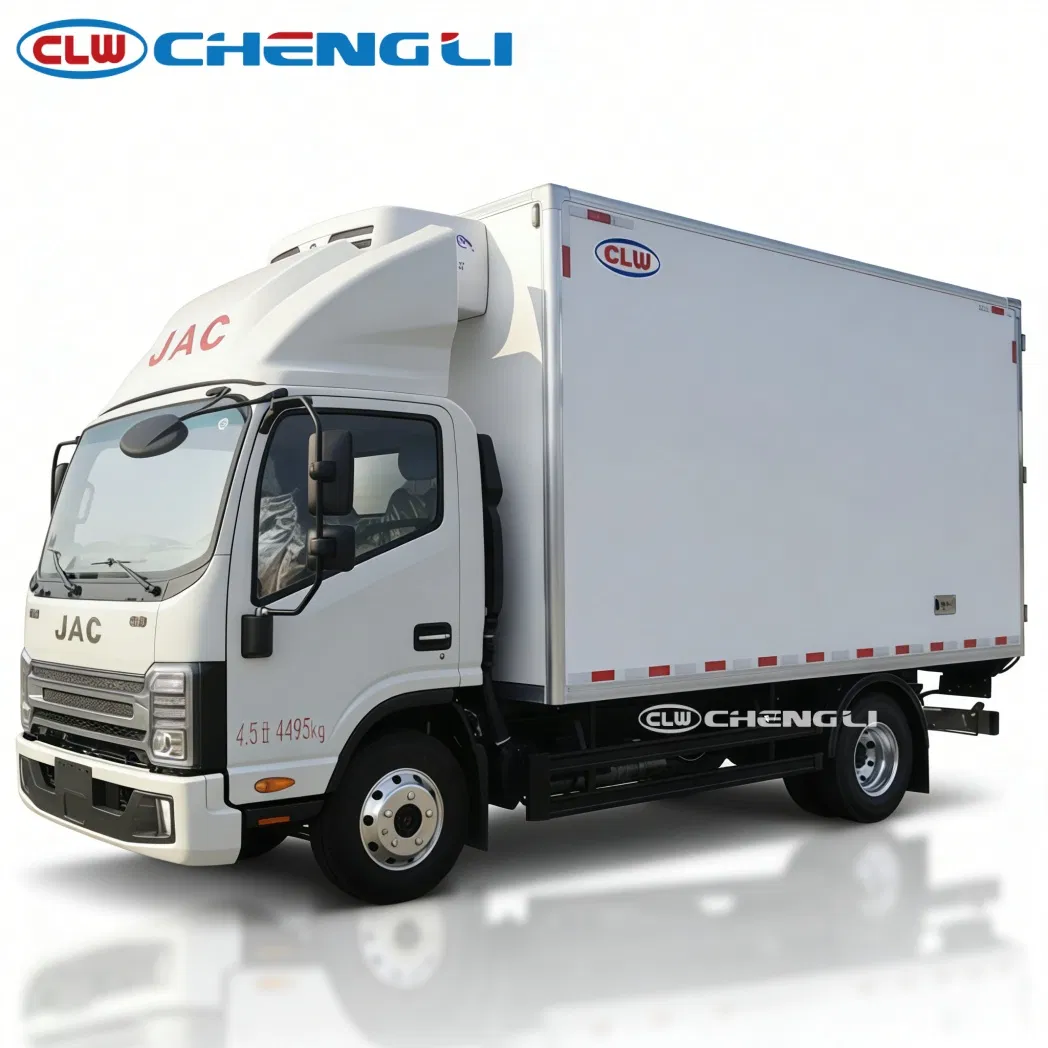
The catalogue includes HOWO Refrigerated Delivery Truck, FAW Refrigerated Delivery Truck and Foton Refrigerated Delivery Truck. Use these configurations to begin a comparison, then ask for the selected chassis, body and equipment to be identified against your operating requirement. The vehicles are examples from the range, rather than interchangeable answers to the same job. Confirm the completed weights, usable capacity and relevant equipment limits separately. Ask the supplier to list differences, options and unresolved inputs so that the final price comparison also remains a comparison of the actual configuration being offered.
For an illustrative comparison, two trucks may have similar external body dimensions while one contains thicker panels, a partition and additional internal equipment. Their usable cargo space can differ, and a route with repeated side-door access may need a different thermal assessment from a sealed direct trip. Compare the actual interior layout and delivery profile for each offer. This example identifies procurement inputs and does not predict a particular temperature result or cooling-system size.
| Decision area | Information to provide | What to confirm |
|---|---|---|
| Body | Panel system, floor, doors and joints | Construction and usable internal space |
| Unit | Cargo, ambient conditions and route | Selected equipment and performance conditions |
| Loading | Packaging, pallets and delivery access | Air circulation and door-opening assumptions |
| Verification | Required records and acceptance conditions | Monitoring equipment and agreed evidence |
Prepare the quotation request
Send the cargo instructions, route, stop pattern, loading conditions and desired usable box dimensions with the enquiry. Ask for a combined body and refrigeration proposal identifying every included component. Add the country, port and quantity to define the commercial scope. A useful comparison shows how the complete vehicle meets the intended duty, rather than treating insulation and cooling as unrelated accessories.
Explore the refrigerated trucks range, then use the enquiry form below to request a written quotation for your application.
Configurations to compare

Frequently asked questions
Can a refrigeration unit be chosen from box volume alone?
Use the complete body, cargo and operating profile, including insulation, ambient conditions and door openings.
Does thicker insulation always provide the best configuration?
Evaluate thermal requirements together with usable space, weight, body construction and the delivery operation.
Should monitoring equipment be listed separately?
Yes. Identify the required recording, sensors, alarms and documentation in the equipment schedule.
Related guides
Request a quotation for your application
Include the working conditions, country, quantity and configuration requirements described in this guide.