
Buying Guides
Wrecker vs Flatbed Tow Truck: Which Recovery Job Fits?
A wrecker and a flatbed tow truck support different recovery and transport methods.
Key takeaways
- Describe the casualty vehicles and conditions
- Understand what flatbed geometry must provide
- Review wrecker equipment by its separate functions
- Check access and the complete recovery sequence
A wrecker and a flatbed tow truck support different recovery and transport methods. The right choice depends on the vehicles being handled, their condition and the space available to load or tow them. A general tonnage label is insufficient because winch, deck, underlift and complete-vehicle limits describe different constraints. Start with the fleet’s actual recovery assignments and ask for a configuration that addresses them explicitly.
1. Describe the casualty vehicles and conditions
List the types of vehicles the recovery fleet expects to handle. Record their dimensions, measured masses, axle arrangements and wheelbases where available. Explain common damage conditions: whether wheels roll, steering works and suspension remains intact. A routine transfer of a functioning car differs from recovering a damaged commercial vehicle in a constrained location.
Provide photographs or representative vehicle information with the enquiry. Identify low clearances, unusual bodywork and other features that may affect the recovery method. The supplier needs enough information to assess compatibility rather than simply matching the casualty’s advertised weight to a number in a tow-truck title. Keep unusual or difficult assignments visible instead of treating them as standard work.
2. Understand what flatbed geometry must provide
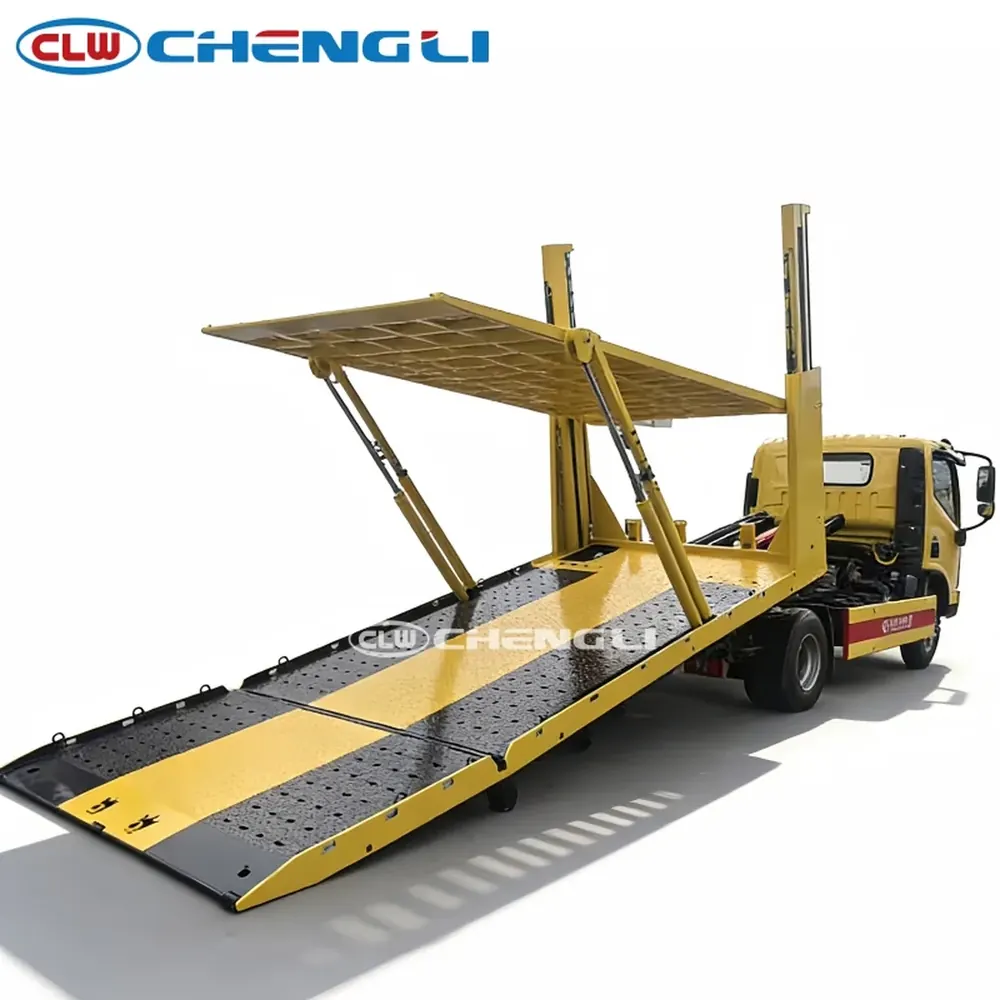
A flatbed carries the vehicle on a deck, so usable dimensions, loading geometry and securing arrangements are important inputs. Check deck length and width against the vehicles to be transported. Ask about the loading method and how low-clearance or non-rolling vehicles will be handled within the specified equipment limits.
Deck capacity is distinct from winch pull and from the truck’s permissible gross and axle loads. Confirm the completed loading condition with the selected deck and accessories. A two-position design also requires a clear explanation of each position and the permitted combination of loads. Two visible spaces do not by themselves establish that any two vehicles can be carried together.
3. Review wrecker equipment by its separate functions
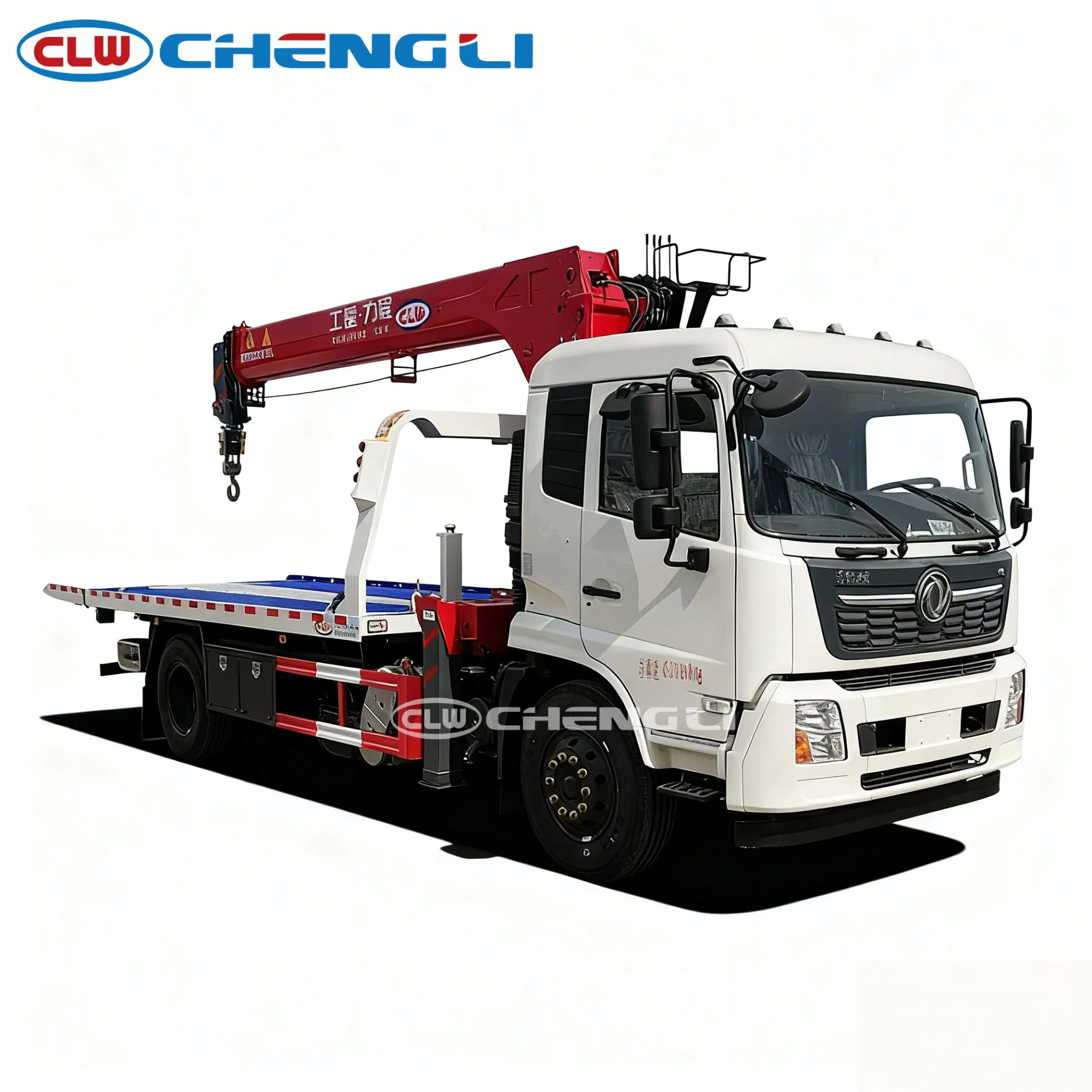
Ask which recovery functions the proposed wrecker provides and identify the equipment used for each. Underlift, boom, winch and other devices have their own ratings and operating conditions. A general heavy-recovery description cannot replace the relevant charts and configuration information. The intended casualty and recovery method must fit those limits.
Where ratings change with extension, geometry or setup, ask the supplier to identify the applicable conditions. Keep lifting and towing requirements separate. An impressive maximum figure may describe one function under one condition, rather than the vehicle-handling task the buyer expects. Request the documents and accessories needed for the proposed method of recovery.
4. Check access and the complete recovery sequence
Map how the recovery vehicle arrives, positions, operates and leaves with the casualty. Include traffic, available loading space, gradients and surface conditions. A deck-loading operation may require a different clear area from an underlift recovery. The suitability of either method depends on the actual location and casualty condition.
Consider workshop and depot access after the vehicle is loaded or attached. Record destination restrictions and where unloading takes place. The recovery operator should review the intended working methods with the equipment supplier and establish appropriate procedures. A configuration comparison is incomplete if it considers only the moment of loading and omits the subsequent transport and unloading stages.
5. Separate equipment ratings from carried or towed mass
Create individual lines for winch pull, deck rating, lifting equipment, underlift limits and completed-vehicle weights. Confirm the meaning and conditions of each. Do not treat one as a substitute for another. The same general tonnage can refer to quite different equipment functions in different offers.
Ask how the actual casualty affects axle loading and any required operating restrictions. Identify securing points, compatible attachments and accessories in the equipment schedule. If a quotation combines a crane and flatbed, the crane’s lifting chart and the deck loading limits still need separate review. Keep the assessment tied to the selected configuration and the planned recovery method.
6. Compare scope, documentation and support
Give each supplier the same representative assignments and request an equipment-specific response. List the deck or recovery body, winches, controls, attachments and securing equipment included. Separate optional accessories so that a price comparison also remains a configuration comparison. Clarify what operating and service information accompanies the delivered vehicle.
Agree the pre-dispatch identification and functional checks appropriate to the order. Confirm the inspection basis, export documents and shipment scope without assuming universal approval for all recovery duties. Ask how parts and service requirements will be handled under the actual commercial terms. The preferred vehicle should fit the fleet’s verified work rather than the broadest headline recovery claim.
Compare configurations against the same requirement
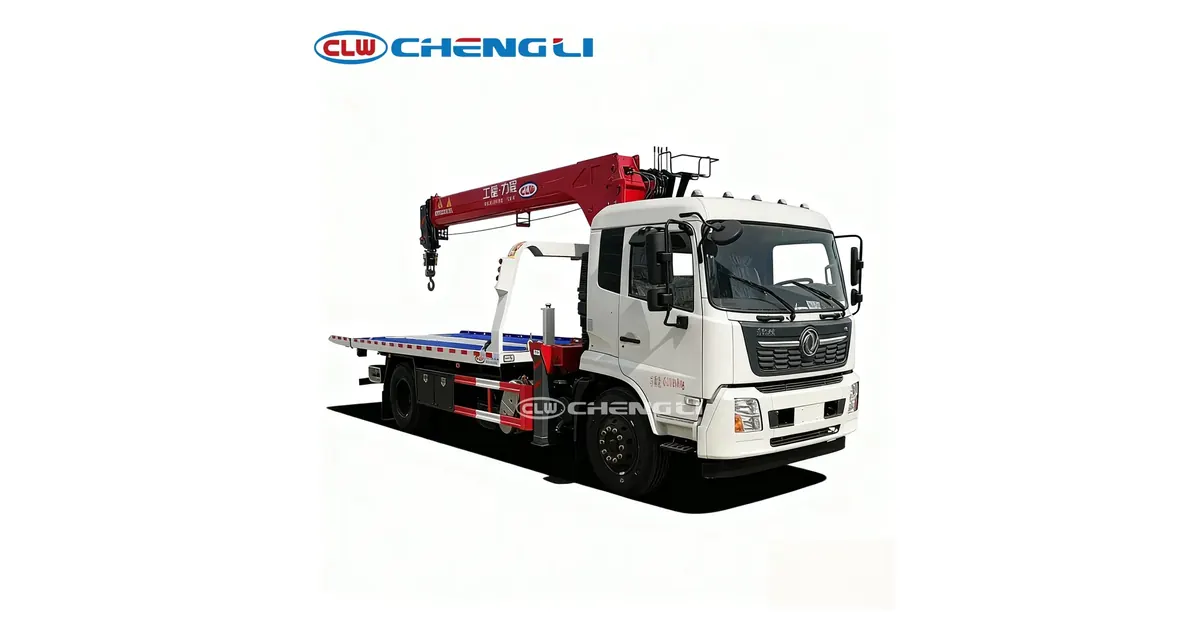
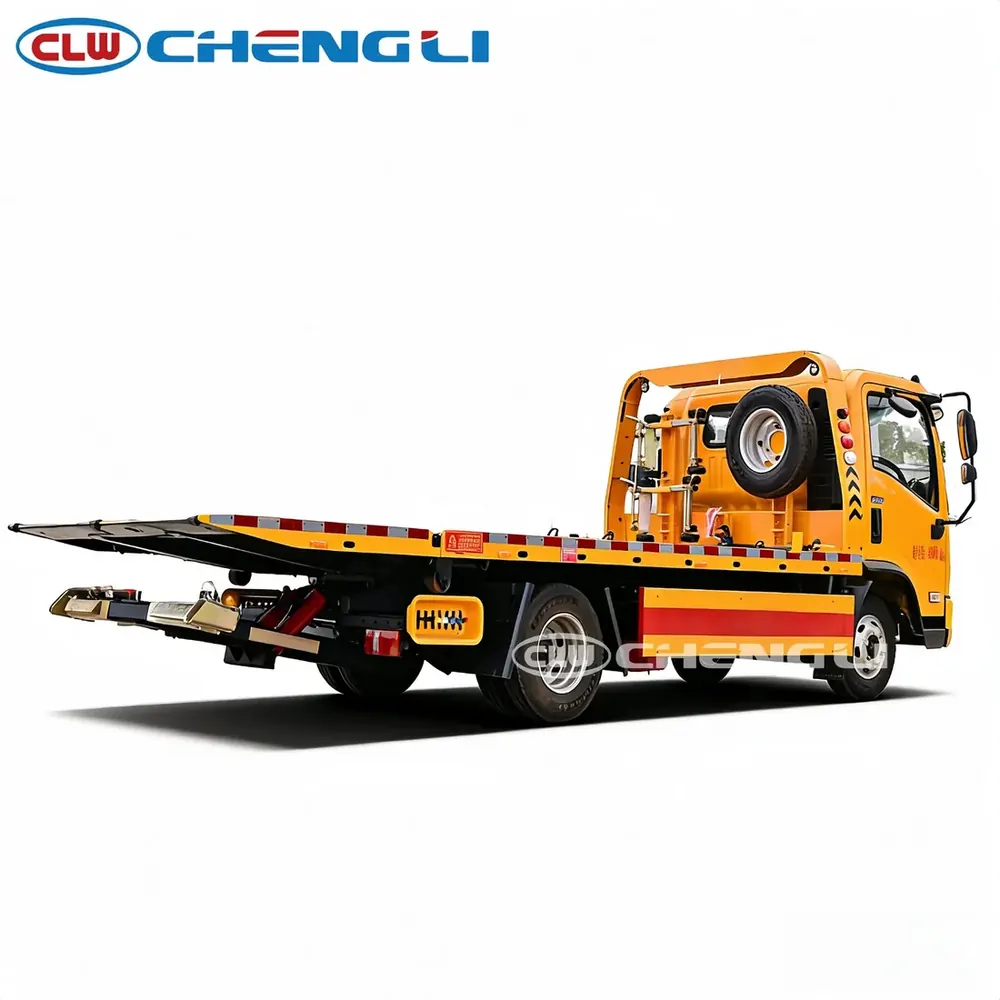
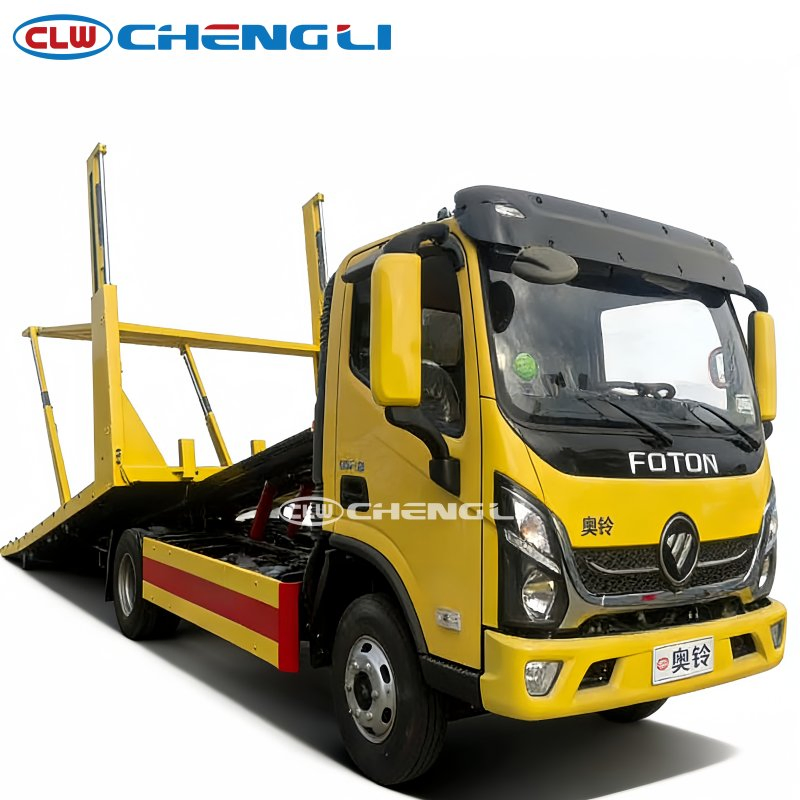
The catalogue includes HOWO Heavy Wrecker Recovery Truck, CLW Flatbed Tow Truck and Isuzu 4×2 Flatbed Tow Truck. Use these configurations to begin a comparison, then ask for the selected chassis, body and equipment to be identified against your operating requirement. The vehicles are examples from the range, rather than interchangeable answers to the same job. Confirm the completed weights, usable capacity and relevant equipment limits separately. Ask the supplier to list differences, options and unresolved inputs so that the final price comparison also remains a comparison of the actual configuration being offered.
For illustration, a workshop may move intact passenger cars between depots while another operator attends vehicles with damaged wheels on narrow roads. Those assignments create different loading and positioning questions even if the casualties have similar masses. Describe both jobs separately, then assess the appropriate equipment and procedures. This comparison is a way to organize procurement information; it does not approve a recovery method or establish a safe towing capacity for any particular vehicle.
| Decision area | Information to provide | What to confirm |
|---|---|---|
| Flatbed transport | Casualty dimensions, loading geometry and condition | Deck, loading equipment and securing arrangement |
| Wrecker recovery | Lifting or towing method and casualty details | Separate equipment limits and relevant charts |
| Route | Positioning, gradients and unloading access | Complete recovery and transport sequence |
| Offer | Included body, controls and accessories | Comparable configuration and inspection scope |
Prepare the quotation request
Send representative casualty details, operating locations, destination country, quantity and preferred chassis with the enquiry. Ask for separate figures and conditions for each recovery function. Compare a flatbed and a wrecker only after their loading, transport and access requirements have been established. The final equipment list and operating documentation should make clear which assignments the ordered configuration is intended to support.
Explore the tow trucks range, then use the enquiry form below to request a written quotation for your application.
Configurations to compare
Frequently asked questions
Does winch capacity equal deck capacity?
No. They describe different equipment functions and must be checked separately.
Can a two-position deck carry any two cars?
Confirm dimensions, permissible combined loads, axle loading and securing arrangements for the actual vehicles.
Is a wrecker automatically suitable for a damaged vehicle?
The casualty condition, equipment, operating limits and recovery method require a specific assessment.
Related guides
Request a quotation for your application
Include the working conditions, country, quantity and configuration requirements described in this guide.