
Buying Guides
6×4 vs 8×4 Tipper Truck: Which Fits Your Haul Route?
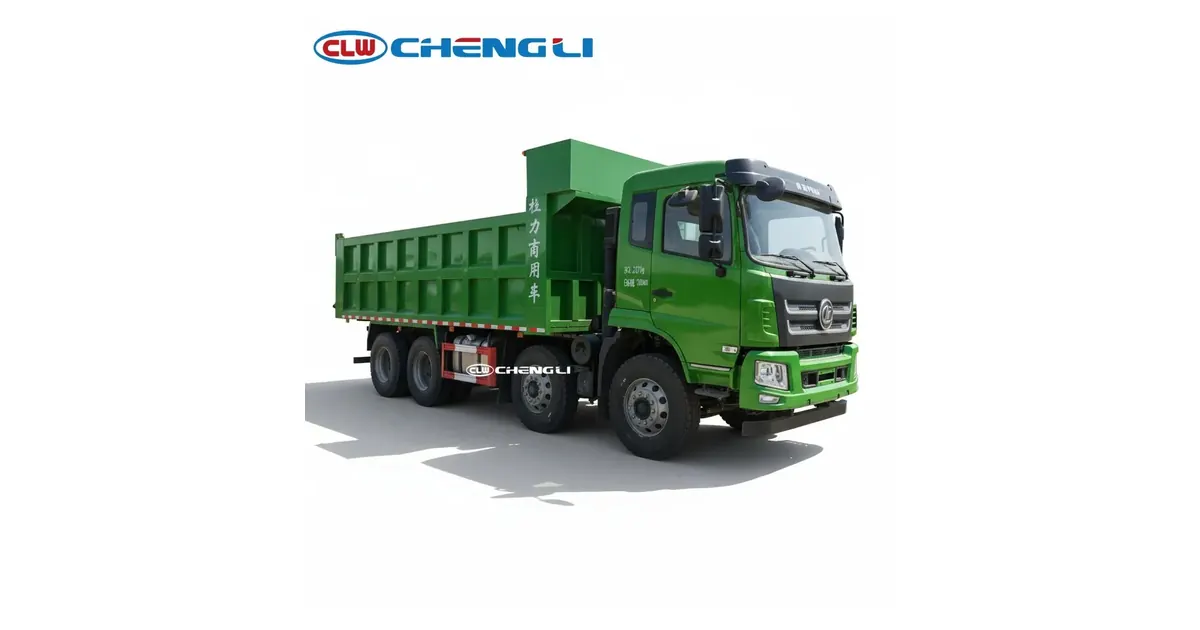
Choosing between a 6×4 and an 8×4 tipper starts with the haul route and completed-vehicle loading plan.
Key takeaways
- Read the axle arrangement correctly
- Establish the load before comparing vehicle size
- Measure access throughout the haul cycle
- Review traction and chassis specification separately
Choosing between a 6×4 and an 8×4 tipper starts with the haul route and completed-vehicle loading plan. Axle arrangement describes the vehicle layout; it does not independently establish legal payload, traction in every condition or lower operating cost. Construction and quarry buyers need to compare actual configurations, including body weight, dimensions and equipment. This guide sets out the information that makes the comparison useful for an African fleet.
1. Read the axle arrangement correctly
In conventional truck notation, 6×4 and 8×4 describe wheel-position and driven-wheel-position arrangements, with dual tyres counted as one wheel position. They do not state how many tonnes the vehicle may carry. Ask for the chassis specification and axle layout of the actual truck, particularly where a broad catalogue description covers several configurations.
An 8×4 designation should not be read as all-wheel drive. The position and loading of driven axles, tyres, gearing and the route all influence suitability. Keep the arrangement separate from claims about rough-road capability. The supplier should respond to the actual site conditions rather than assuming that an additional axle resolves every access or traction requirement.
2. Establish the load before comparing vehicle size
Identify the material, measured density and expected loading method. Calculate the intended carried mass independently of the body’s volume. Confirm the completed truck’s empty weight, gross limit and axle limits for the selected configuration and destination. The body, tipping gear, fuel, crew and accessories contribute to the finished loading condition.
Compare two complete vehicles rather than one bare chassis against another truck with its body included. If the 8×4 offer carries a larger or differently reinforced body, account for that change before interpreting the payload figures. Ask for any loading assessment needed for the actual material and route. A physically full body is not evidence that the load is permissible.
3. Measure access throughout the haul cycle
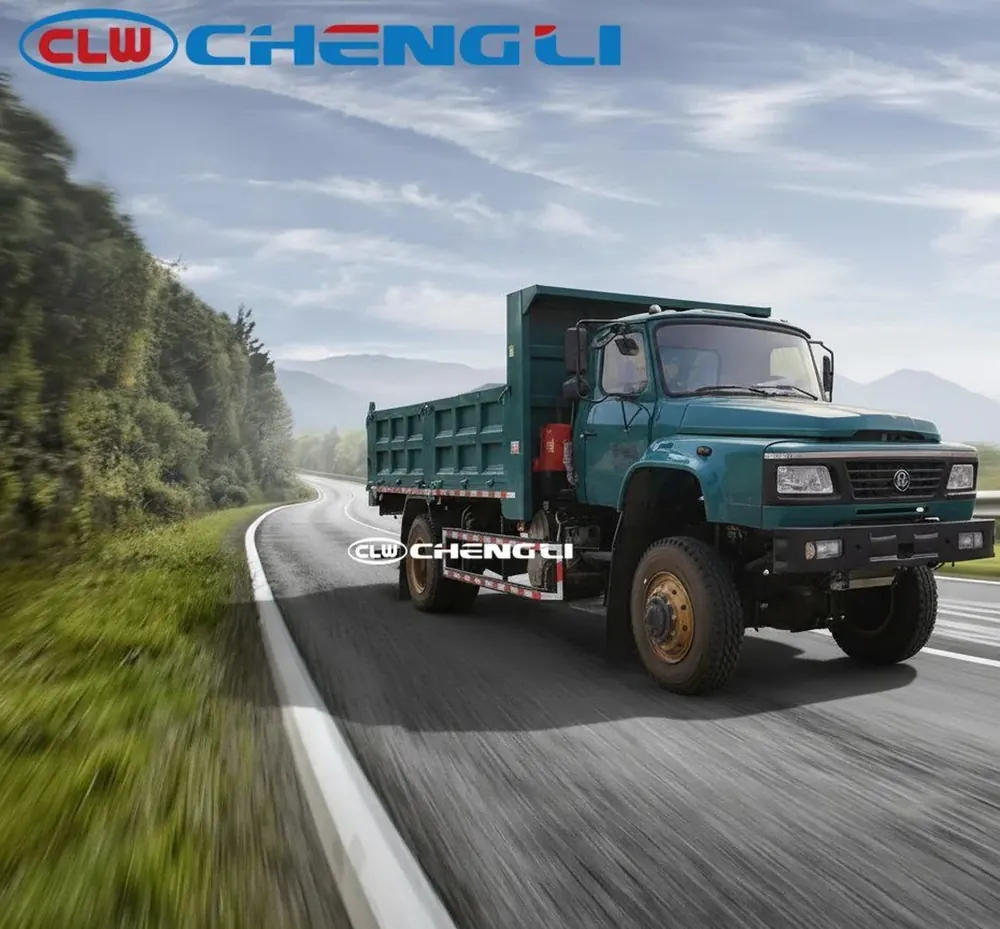
Review the loading area, road, unloading location and return journey. Record turning space, narrow sections, gradients, surface condition and restrictions at structures or gates. A longer vehicle may require a different positioning plan at a loader or tipping point. Obtain actual dimensions and turning information for each candidate rather than relying on a familiar axle label.
Include waiting and manoeuvring in the route timing. A configuration carrying more material per permitted trip may still spend additional time entering, positioning or leaving a constrained site. Ask the operator to review representative locations before ordering. Access suitability must cover the complete route, including places visited only for refuelling, workshop service or weighing.
4. Review traction and chassis specification separately
Describe where the truck encounters loose surfaces, mud, steep approaches or uneven ground. These conditions inform a review of drivetrain, gearing, tyres, suspension and other chassis features. A 6×4 and an 8×4 can have different equipment packages even when both have two driven axles. Compare the specified components and operating limits.
Explain whether the route is mainly public road, controlled site road or a mixture. Ask the supplier to identify the assumptions behind its proposed configuration. Do not substitute engine horsepower for an assessment of the route. The useful response connects the selected chassis to the load and working conditions, with any unresolved limits clearly identified.
5. Compare operating and maintenance requirements
Build a cost comparison around the actual assignment. Include acquisition scope, tyres, routine service, the workshop’s capability and the availability of specified components. Ask the supplier to identify relevant equipment and parts rather than assuming that a larger vehicle will automatically cost more or less per delivered tonne.
Fuel consumption and trip output depend on the load, route, driving and waiting conditions. Treat estimates as estimates and keep their assumptions visible. If a supplier proposes operating-cost figures, ask how they were calculated and whether they describe the same body and duty as the quotation. An unsupported universal saving should not decide the fleet specification.
6. Use a common comparison and acceptance sheet
Give suppliers one description of material, route and daily demand. Request the body dimensions, steel specification, chassis, engine, transmission, completed weights and equipment list for each option. Make the differences between the 6×4 and 8×4 configurations explicit. Separate included equipment from proposed alternatives.
Agree how the ordered configuration will be identified and checked before shipment. Weight and dimensional information should match the final specification, especially after a body or accessory change. Confirm shipping arrangements, destination documents and inspection responsibilities against the actual vehicle. Choose the configuration that meets the verified duty and commercial scope, rather than treating axle count as a complete procurement decision.
Compare configurations against the same requirement
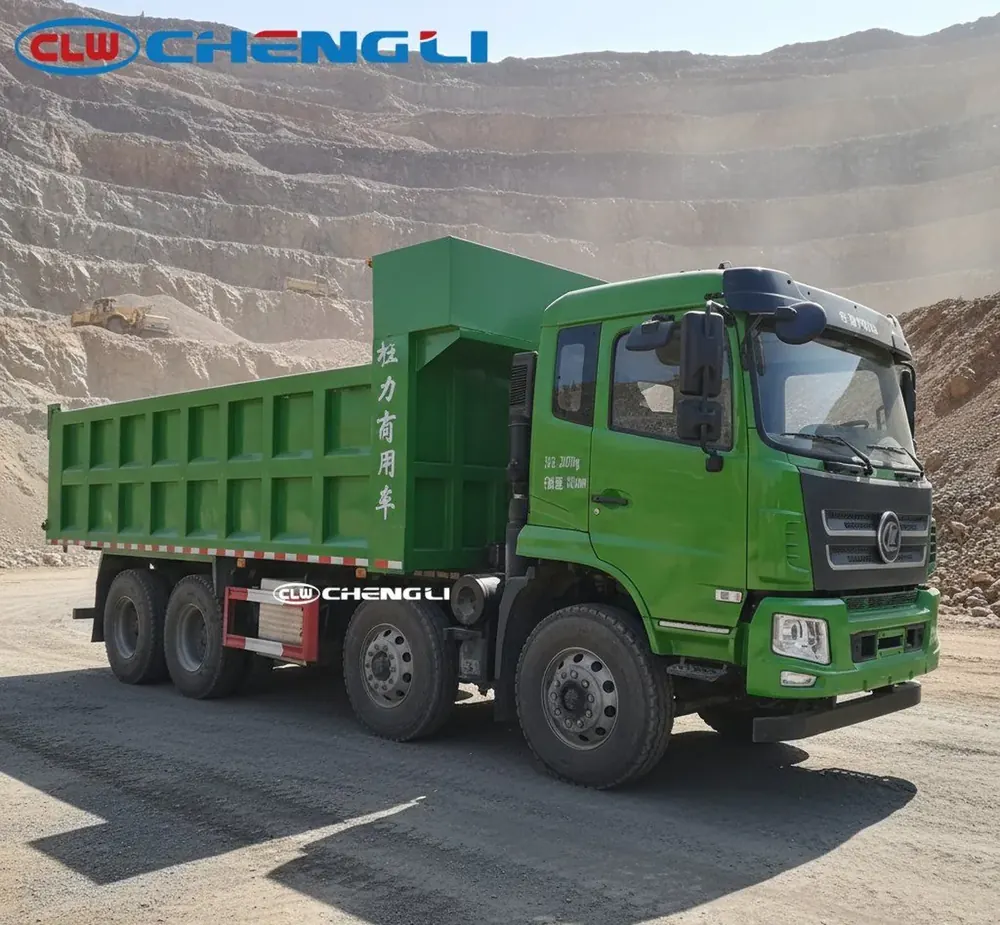
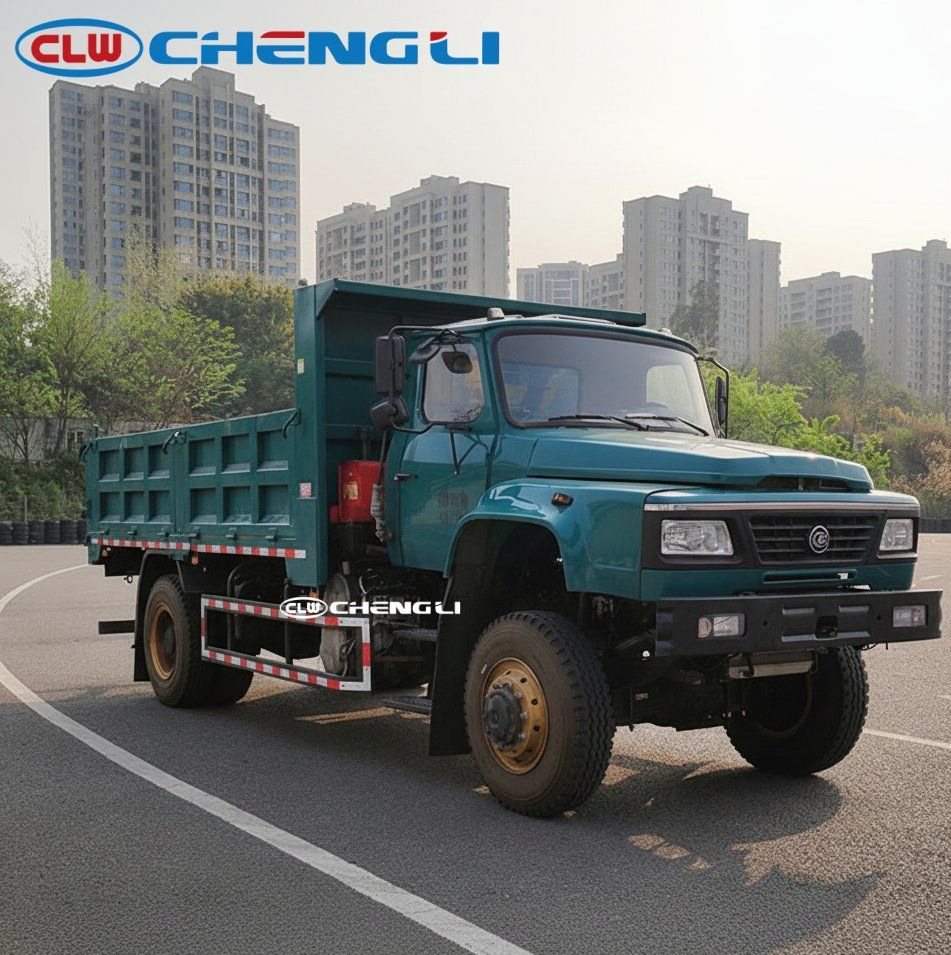
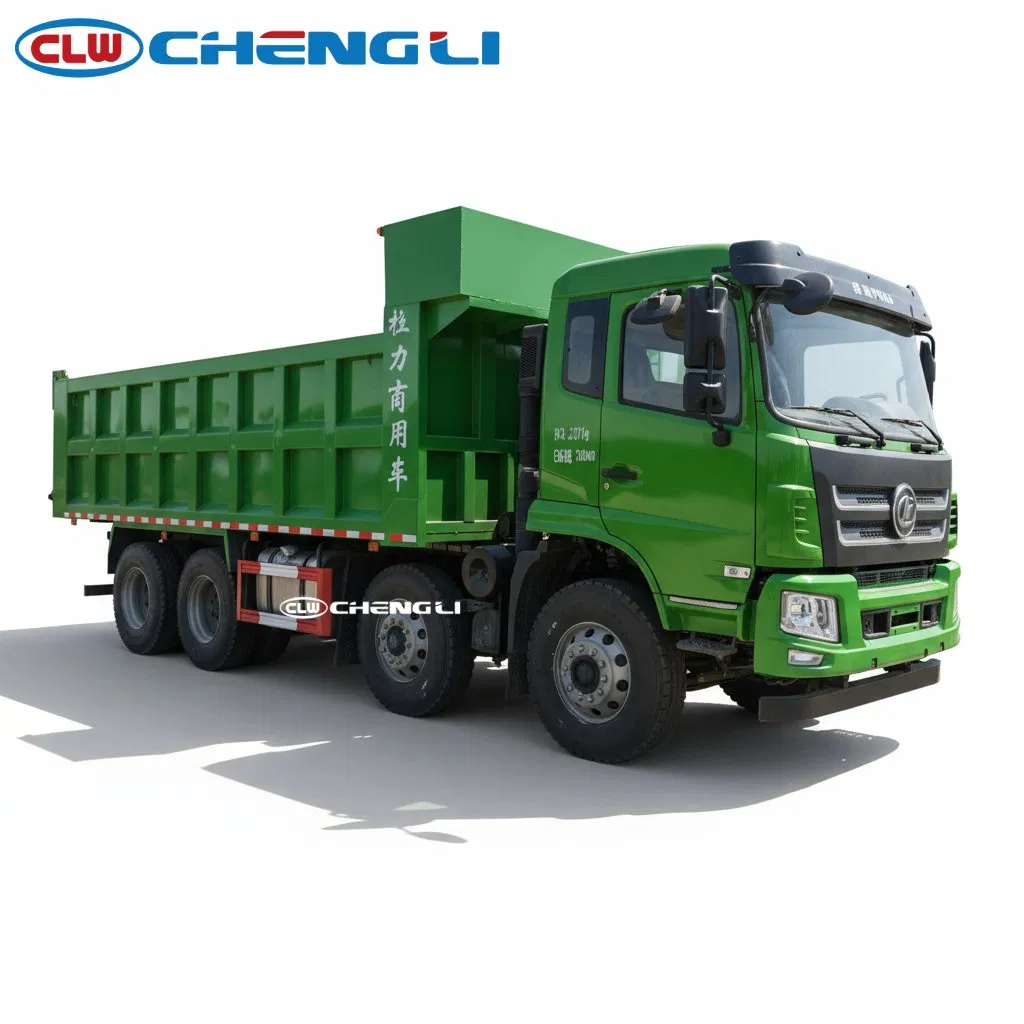
The catalogue includes CLW 6×4 350 hp Tipper Truck, HOWO 8×4 Mining Tipper Truck and Shacman 6×4 Mining Tipper Truck. Use these configurations to begin a comparison, then ask for the selected chassis, body and equipment to be identified against your operating requirement. The vehicles are examples from the range, rather than interchangeable answers to the same job. Confirm the completed weights, usable capacity and relevant equipment limits separately. Ask the supplier to list differences, options and unresolved inputs so that the final price comparison also remains a comparison of the actual configuration being offered.
For an illustrative quarry comparison, consider one route with a narrow weighbridge approach and another with an open loading area but a long public-road section. The preferred axle arrangement cannot be decided from those descriptions alone. Measure access, establish the legal loading condition and compare complete trip timing for each route. The same body volume may also carry very different masses of dry aggregate and wet material. This example explains what to measure; it does not predict output or approve a particular truck for either route.
| Decision area | Information to provide | What to confirm |
|---|---|---|
| Load | Material density, intended mass and body design | Completed weights and axle loading |
| Access | Turns, gates, gradients and unloading space | Actual dimensions and route suitability |
| Chassis | Surface conditions and loaded duty | Drivetrain, gearing, tyres and suspension |
| Economics | Comparable equipment and work assumptions | Itemized offer and clearly qualified estimates |
Prepare the quotation request
Send the haul route, material, expected loading pattern, quantity and destination with the enquiry. Ask for a complete 6×4 and 8×4 comparison using the same body-duty assumptions. Confirm which differences change payload, access, maintenance and shipping. The final decision should be supported by the completed configuration and its permitted operating conditions, with all important technical and commercial assumptions recorded in writing.
Explore the tipper trucks range, then use the enquiry form below to request a written quotation for your application.
Configurations to compare
Frequently asked questions
Does 8×4 mean all-wheel drive?
No. Obtain the actual axle and drivetrain specification rather than interpreting it as all-wheel drive.
Does an additional axle guarantee more payload?
Confirm completed weights, axle limits and destination requirements for the actual configuration.
Can fuel cost be compared from engine power alone?
No. Use the same load, route and operating assumptions, and distinguish estimates from verified results.
Related guides
Request a quotation for your application
Include the working conditions, country, quantity and configuration requirements described in this guide.