
Buying Guides
Tipper Body Plate Thickness: A Quarry Buyer’s Guide
Tipper body plate thickness should be selected with the material, loading method, steel grade and body design.
Key takeaways
- Describe the material and loading process
- Keep steel grade and thickness together
- Assess the body structure and load paths
- Calculate payload with the completed body
Tipper body plate thickness should be selected with the material, loading method, steel grade and body design. One thickness is not suitable for every quarry or construction route. Additional steel can influence the body’s empty weight, while impact and abrasion may demand different design responses. A useful enquiry describes where the body experiences wear and damage so that its specification can be assessed as a complete structure.
1. Describe the material and loading process
Identify the material being hauled, including typical lump size and whether it is sharp, abrasive, wet or sticky. Describe how the loader fills the body and the likely drop conditions. Moving broken rock differs from carrying soil or fine aggregate. A supplier cannot select a meaningful body specification from the phrase heavy-duty quarry truck alone.
Photographs of the material and existing body damage can make the duty easier to understand. Explain whether the truck carries one material or switches among several. Include the loading equipment and any constraints that affect how material enters the body. These details help distinguish floor abrasion, side impact and other demands that may require different parts of the design to be reviewed.
2. Keep steel grade and thickness together
Ask for the specified material grade for the floor, side walls, front wall and tailgate, together with the relevant thicknesses. A statement that a body uses strong steel is incomplete. Thickness describes only one part of the material selection, and a comparison between different grades should not assume equal wear or structural performance.
Where a supplier proposes a branded wear-resistant material, request identification and the documentation agreed for the order. Do not infer the grade from the body colour or a generic catalogue photograph. Ask how the proposed material fits the loading duty and the fabrication design. Any alternative should be compared on an explicitly stated basis, including its effect on empty weight and repair arrangements.
3. Assess the body structure and load paths
The floor plate works with cross-members, longitudinal members, the subframe and the mounting arrangement. Reinforcement positions and the body shape influence how loading forces are handled. Review these elements with the supplier instead of selecting a floor thickness while leaving the surrounding structure undefined. A larger thickness figure does not describe the completed design.
Ask for the body dimensions, structure and tipping arrangement in the configuration specification. Identify where wear liners or local reinforcement are proposed and whether they are included or optional. Discuss how those components can be inspected and replaced. Keep the design tied to the selected chassis and its mounting requirements rather than treating the body as an interchangeable box.
4. Calculate payload with the completed body
Additional steel and accessories contribute to empty vehicle weight. The permissible carried mass depends on the completed truck and applicable gross and axle limits, rather than body volume alone. Obtain the configuration-specific weight information and assess it with the material’s measured density. A body that can physically contain a load does not necessarily permit that load to be carried.
For a quarry comparison, keep body dimensions, steel specification and completed-vehicle weights on the same worksheet. Include the tailgate, cover, liner and other equipment expected in service. If a revised body changes the empty weight, request an updated loading assessment. This makes the tradeoff between durability features and usable payload visible before an order is finalized.
5. Plan unloading and maintenance for the material
Explain the unloading location, surface conditions and the clearance available for a raised body. Wet or sticky material can introduce different unloading considerations from loose dry aggregate. The operator and equipment supplier need to establish an appropriate working method for the selected configuration. A body specification does not replace that operational assessment.
Review access to hinges, cylinder mountings, tailgate components and wear areas. Ask what repair and inspection information accompanies the body and whether proposed materials require particular repair procedures. The fleet should know how it will obtain the specified replacement material and components. Avoid assuming a maintenance interval or service-life promise from a thicker-plate description.
6. Make body options comparable in the quotation
Send every supplier the same material and loading description. Ask each to list plate grade, thickness by component, reinforcement, dimensions, body weight and tipping equipment. A clear base configuration with separately priced options is easier to compare than a series of heavy-duty labels. Require the revised quotation to identify changes when the body specification is adjusted.
Agree which material and dimensional checks will be recorded before shipment. Confirm the documents and inspection evidence appropriate to the order. Keep operating assumptions visible, especially where the duty includes large rocks, high loading drops or mixed materials. The purchasing decision should follow the complete design and weight assessment rather than the largest number on a plate-thickness line.
Compare configurations against the same requirement
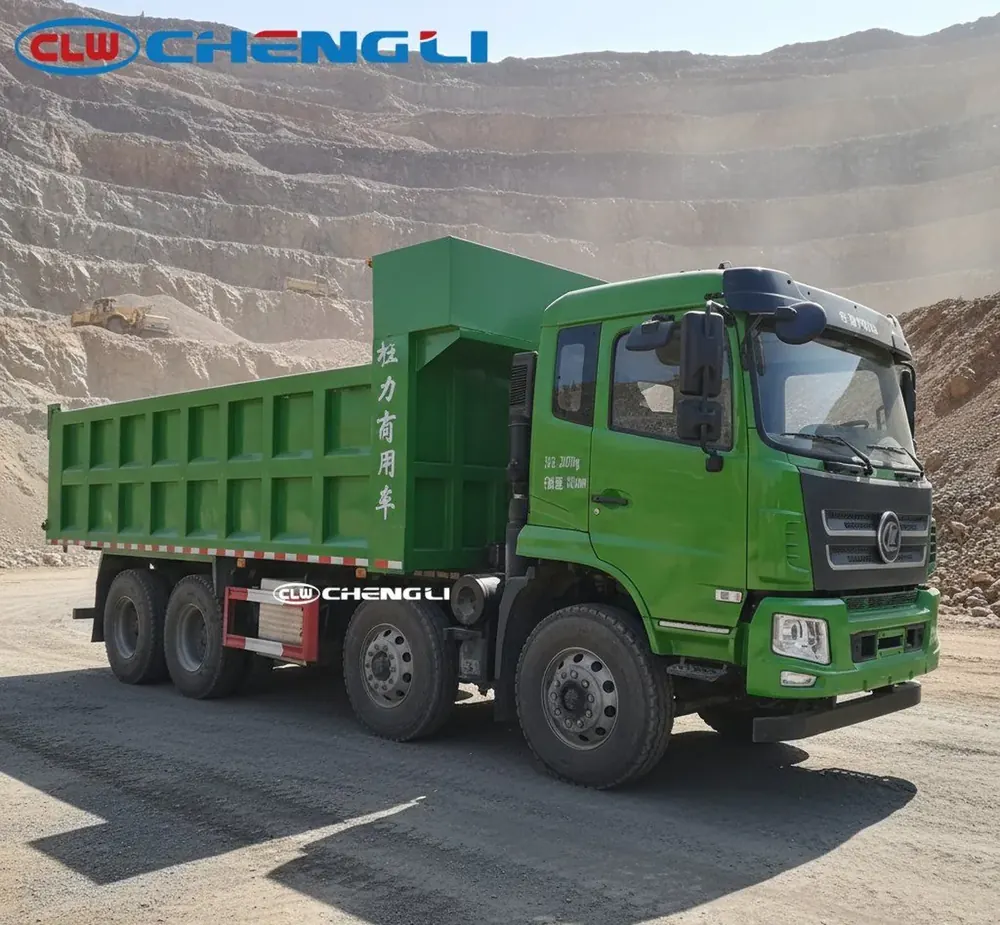
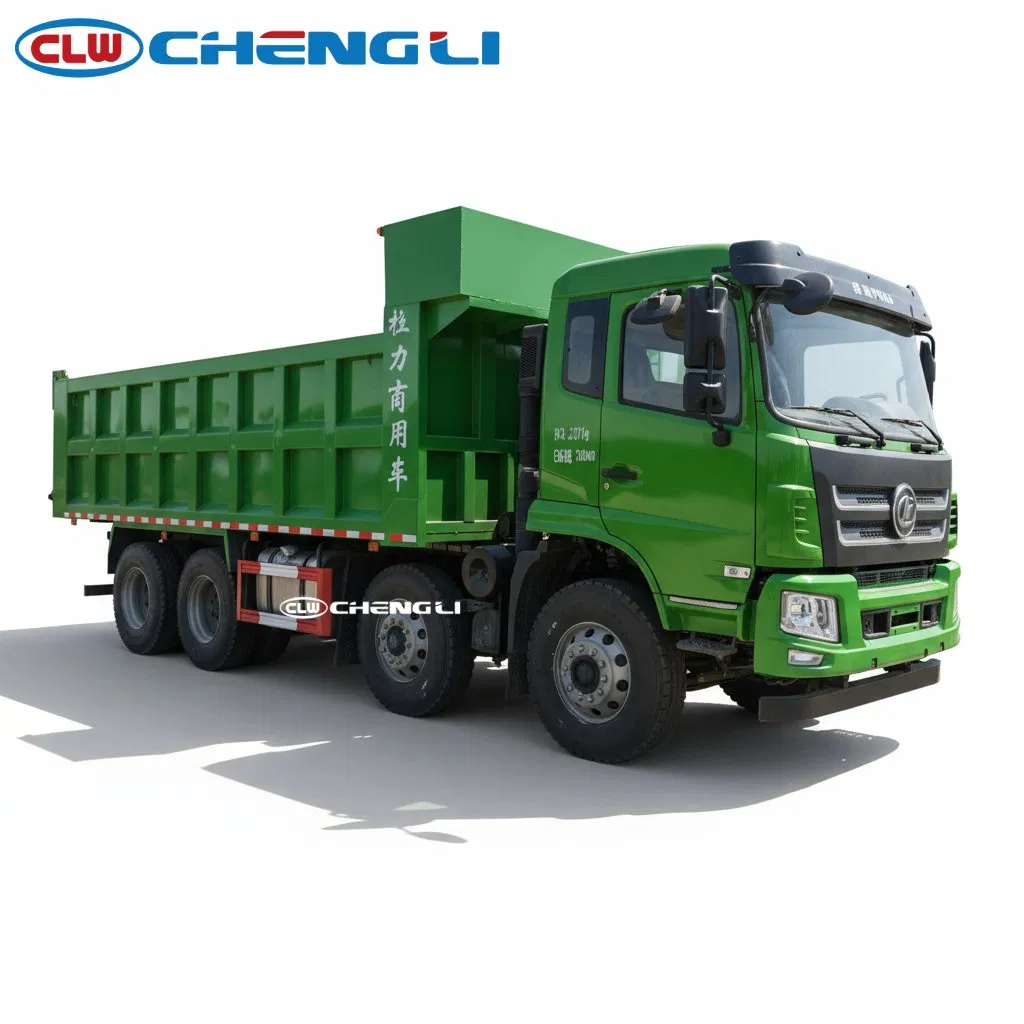
The catalogue includes CLW 6×4 350 hp Tipper Truck, Shacman 6×4 Mining Tipper Truck and Foton 8×4 Mining Tipper Truck. Use these configurations to begin a comparison, then ask for the selected chassis, body and equipment to be identified against your operating requirement. The vehicles are examples from the range, rather than interchangeable answers to the same job. Confirm the completed weights, usable capacity and relevant equipment limits separately. Ask the supplier to list differences, options and unresolved inputs so that the final price comparison also remains a comparison of the actual configuration being offered.
For an illustrative body comparison, sharp rock loaded into one truck and damp soil carried by another create different wear, impact and unloading questions. Record the material, loader and route, then ask for a complete body specification and loading assessment. This example does not establish a required thickness, service life or payload. It shows why a material-duty description is more useful than requesting the thickest available floor plate.
| Decision area | Information to provide | What to confirm |
|---|---|---|
| Material duty | Lump size, abrasion, moisture and loading method | Floor, wall and reinforcement selection |
| Steel specification | Grade and thickness for each component | Identification and agreed material documentation |
| Loading plan | Completed empty weight and material density | Permissible gross weight and axle loading |
| Ownership | Inspection, wear areas and repair capability | Service information and replaceable components |
Prepare the quotation request
For a body quotation, include the material, loading equipment, body size under consideration, route and unloading conditions. Ask for component-by-component steel details and the resulting completed-vehicle weight. Add the destination, quantity and driving side so that chassis selection and shipping can be discussed against the same body requirement. Confirm the final specification and inspection scope in writing before comparing the commercial totals.
Explore the tipper trucks range, then use the enquiry form below to request a written quotation for your application.
Configurations to compare
Frequently asked questions
Is thicker plate always the best choice?
Selection also depends on steel grade, structure, loading duty, empty weight and repair requirements.
Should floor and side-wall thickness be identical?
They should be specified for their respective duties. Ask the supplier to identify each component separately.
Does a body’s volume establish its permissible payload?
No. Confirm the completed vehicle’s weight limits and the material loading plan separately.
Related guides
Request a quotation for your application
Include the working conditions, country, quantity and configuration requirements described in this guide.