
Buying Guides
Bucket Truck Working Height: A Utility Buyer’s Guide
Bucket truck working height is one part of a three-dimensional access requirement.
Key takeaways
- Define the actual work position
- Check height, outreach and load together
- Allow space for stabilizers and positioning
- Separate electrical work from general elevated access
Bucket truck working height is one part of a three-dimensional access requirement. Utility and maintenance crews also need the right horizontal reach, platform capacity and setup space. Choosing a truck from its largest height figure can leave the work position outside its permitted operating envelope. Describe where the vehicle can park and what the crew must carry before asking for an aerial-platform configuration.
1. Define the actual work position
Measure the target height and horizontal distance from a practical vehicle position. Include obstacles between the truck and the work, such as walls, parked vehicles, trees or street furniture. A boom may need to reach over or around an obstruction, which makes a vertical height measurement incomplete. Photographs and a simple site sketch can help explain the geometry.
Distinguish working height from platform-floor height using the selected equipment manufacturer’s definitions. Do not apply an assumed conversion without checking the specification. Ask the supplier to identify the reference points used in its figures. The required result is a permitted position for the crew and platform, rather than a maximum number whose measurement basis remains unclear.
2. Check height, outreach and load together
Request the configuration-specific operating envelope and platform-load information. The maximum working height, maximum outreach and maximum platform capacity should not be assumed available simultaneously. Where a chart changes with boom position or setup, ask how the intended work position is represented. The comparison must use the same equipment configuration as the quotation.
List people, tools and materials that are expected in the platform. Their combined load is part of the selection. Ask about any restrictions associated with particular accessories or operating modes. A platform described as suitable for several people does not remove the need to check its rated load and the permitted combination of height, outreach and equipment.
3. Allow space for stabilizers and positioning
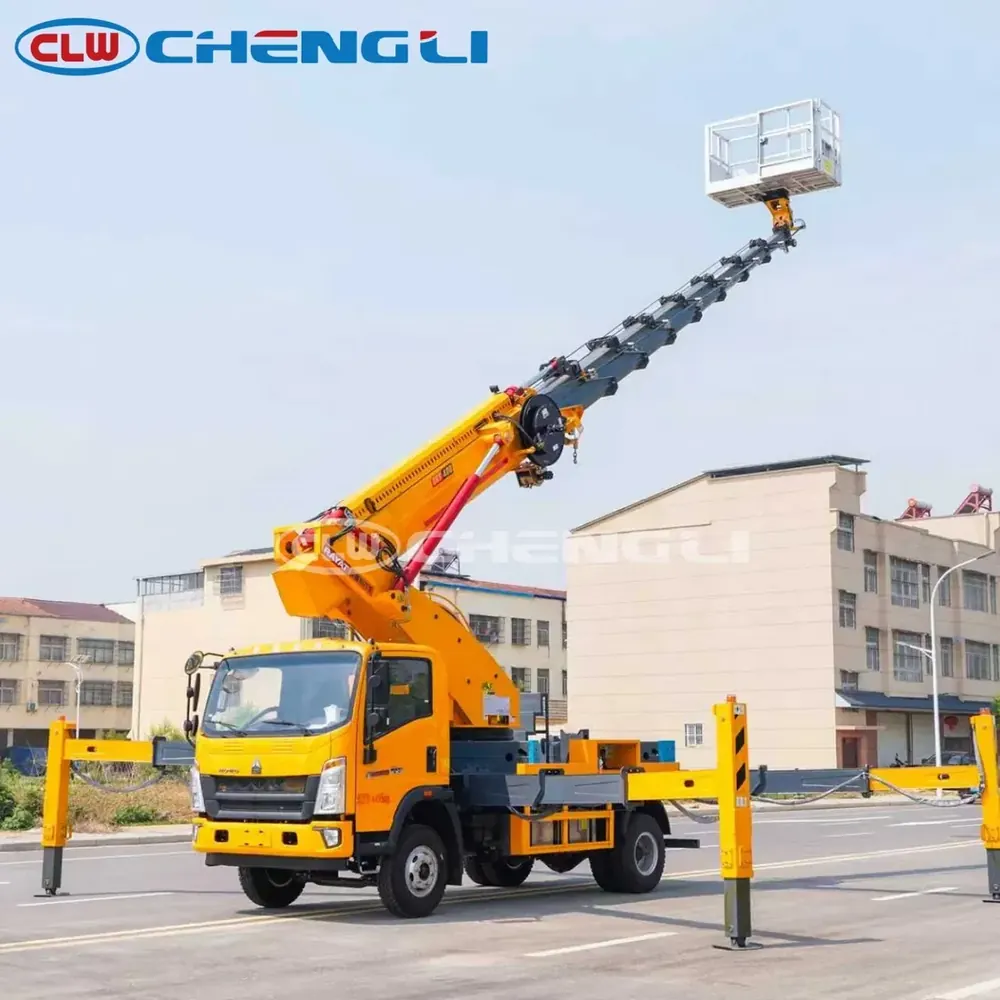
Record the ground area available around the proposed parking position. Travel width is different from the footprint needed to deploy stabilizers. Include the space occupied by traffic controls, equipment and crew access. If a location offers only limited stabilizer deployment, ask whether the selected configuration permits that arrangement and what limits apply.
Ground support, slope and setup conditions need assessment under the equipment instructions and the operator’s working procedures. Do not assume that a road-looking surface provides the required support. Ask for the relevant setup information and any supplied support accessories. The supplier’s equipment specification and the operator’s site assessment must address the same working position.
4. Separate electrical work from general elevated access
State whether the assignment involves electrical infrastructure and whether work is performed near energized equipment. An ordinary aerial platform is not automatically an insulated device. The responsible utility must establish the necessary equipment category, work methods and personnel requirements. A general bucket-truck name does not demonstrate electrical suitability.
Ask for documentation that identifies the exact device and any applicable insulation characteristics claimed for it. Keep those claims separate from general management system certificates. For non-electrical maintenance, still describe overhead hazards and clearance constraints so that the equipment can be selected appropriately. This guide supports procurement questions; the working procedure belongs to the responsible organization and trained operators.
5. Review travel, emergency functions and service access
Confirm the truck’s stowed dimensions and route restrictions as well as its operating envelope. Consider depot access, travel under structures and parking at the work site. A vehicle that reaches the required height may still need a different route or positioning arrangement because of its travel dimensions. Include these constraints before comparing chassis choices.
Ask how emergency lowering and other specified protective functions are provided and documented. Review access to hydraulic components, controls and inspection points with the workshop. Identify the operating manuals, component records and training scope included in the offer. Do not infer a maintenance interval, certification or support commitment from a generic feature list.
6. Ask for a demonstration against the selected configuration
Provide representative work positions and request the corresponding equipment assessment. Agree the demonstration and inspection scope before ordering, including device identity, operating modes, stabilizer configuration and the relevant load information. Any demonstration should follow the manufacturer’s instructions and an agreed safe procedure. A video of another model is not acceptance evidence for the ordered device.
Keep drawings, charts and the equipment list with the final quotation. If the chassis, boom, platform or accessories change, ask which operating limits and documents also change. Confirm the destination and shipment requirements separately. The useful outcome is an aerial-platform configuration whose stated capabilities are connected to the actual access duty.
Compare configurations against the same requirement
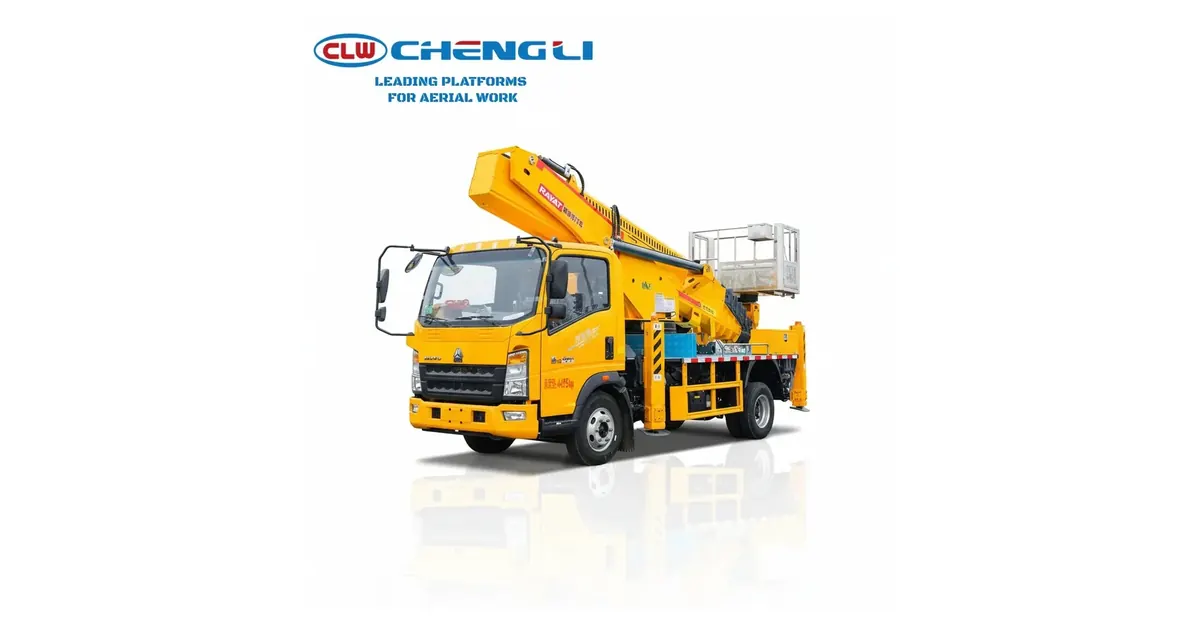
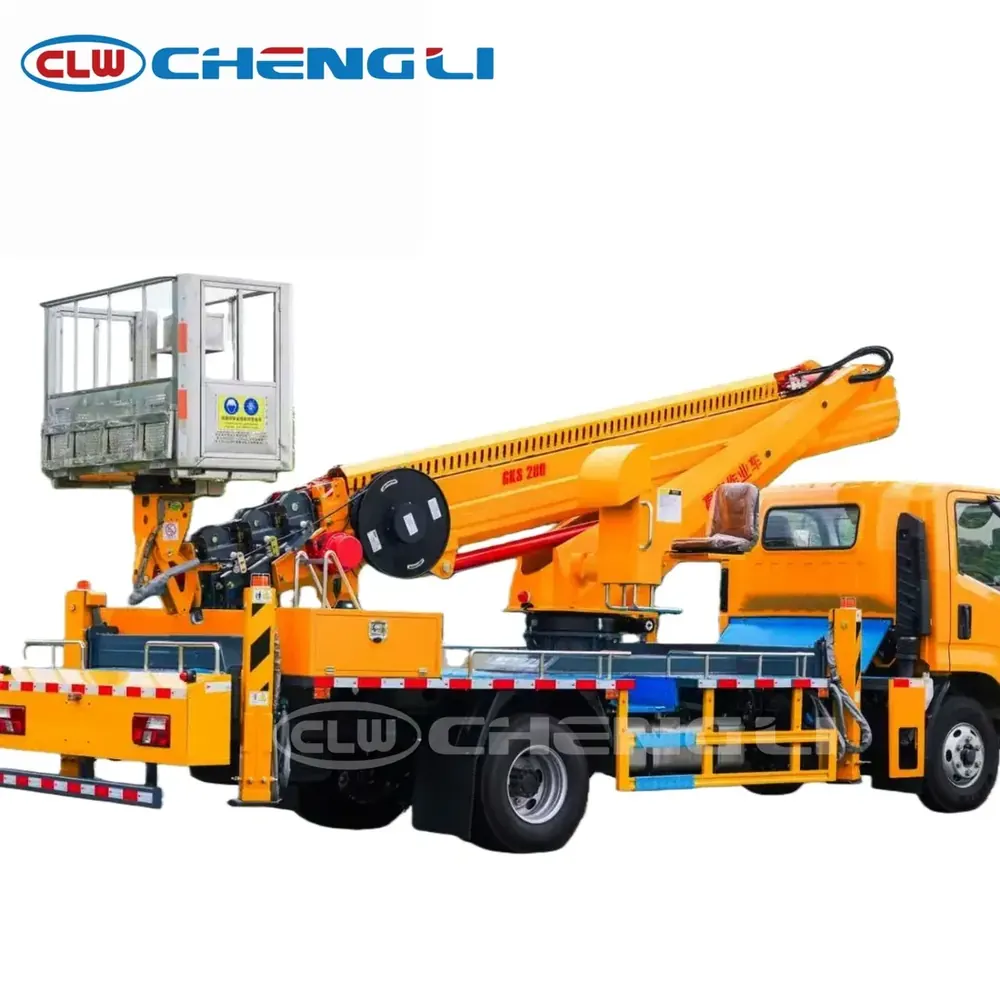
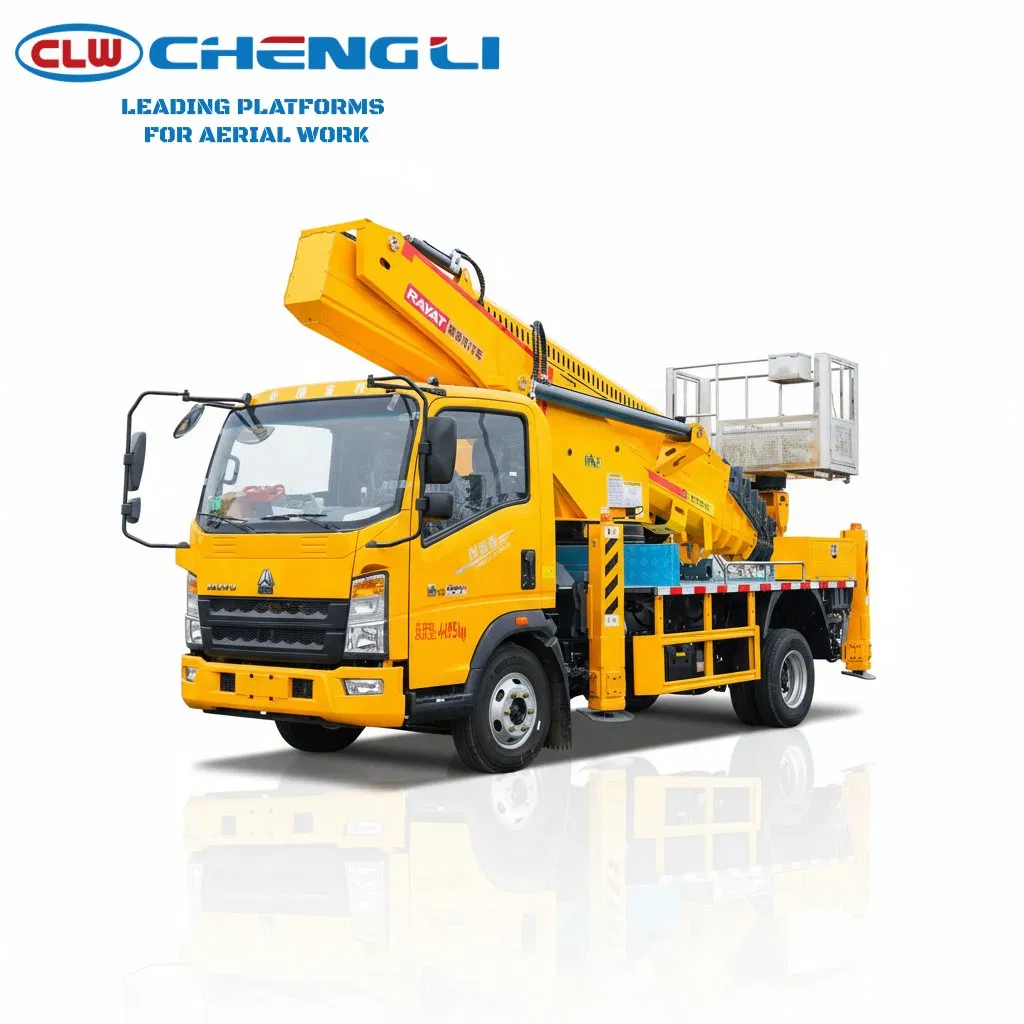
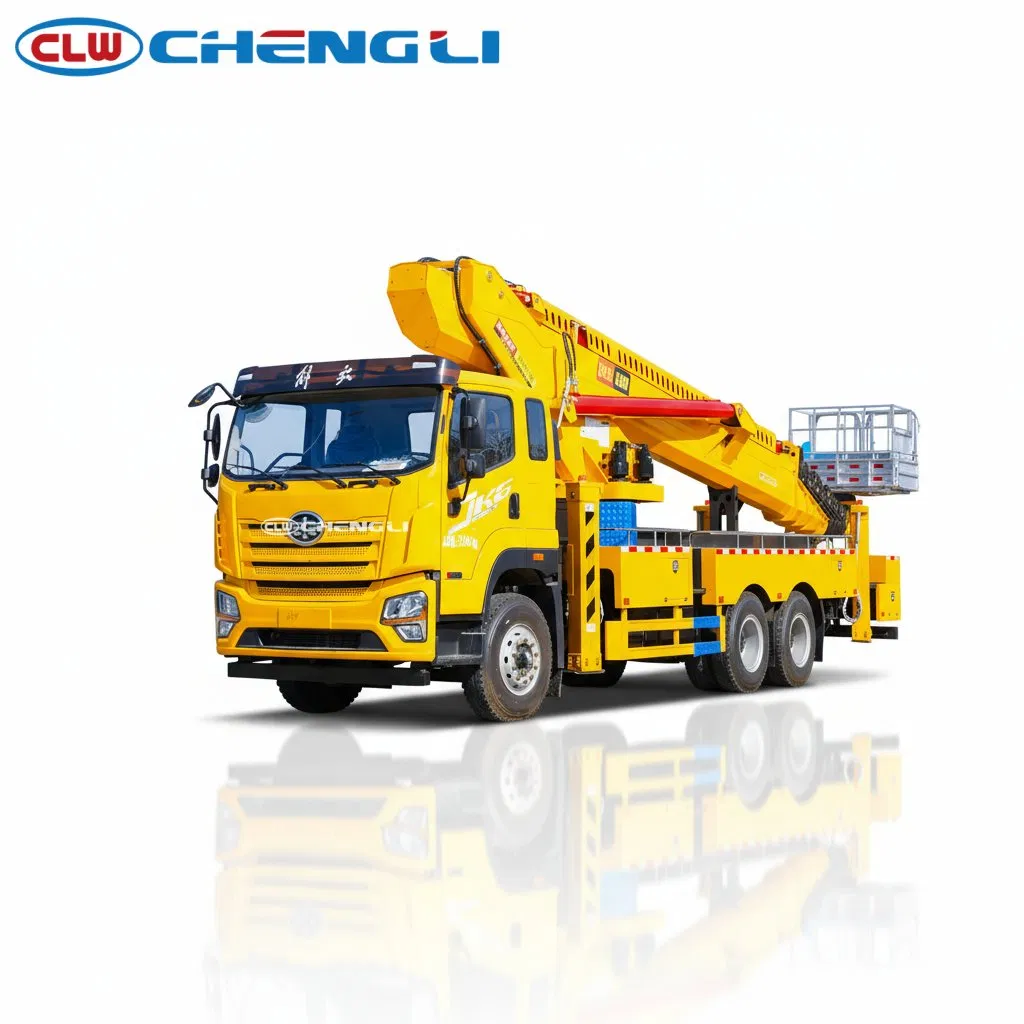
The catalogue includes CLW Aerial Platform Truck, FAW Aerial Platform Bucket Truck and CLW Aerial Platform Truck CLW5070. Use these configurations to begin a comparison, then ask for the selected chassis, body and equipment to be identified against your operating requirement. The vehicles are examples from the range, rather than interchangeable answers to the same job. Confirm the completed weights, usable capacity and relevant equipment limits separately. Ask the supplier to list differences, options and unresolved inputs so that the final price comparison also remains a comparison of the actual configuration being offered.
Imagine a maintenance point above a building entrance where the truck must remain several metres away from the wall. Even if the target is below a vehicle’s advertised maximum height, the required horizontal reach and obstacle clearance may make the configuration unsuitable. Add the crew and tools, then check the permitted position on the selected device’s chart. This illustrative example shows why a site sketch is more useful than a height-only enquiry; it does not establish an approved operating position.
| Decision area | Information to provide | What to confirm |
|---|---|---|
| Work position | Height, horizontal distance and obstacles | Permitted operating-envelope position |
| Platform load | People, tools and materials | Load restrictions for the selected mode |
| Setup | Ground, slope and stabilizer space | Permitted setup and support requirements |
| Procurement | Exact device, controls and accessories | Charts, operating documents and inspection scope |
Prepare the quotation request
Include the target work positions, photographs, crew and tool load, setup space and destination in the RFQ. State any electrical-work requirement explicitly. Ask for the operating envelope, platform rating, travel dimensions and supplied equipment in one written offer. This makes it possible to compare practical access capability rather than selecting solely on the highest working-height figure in a catalogue.
Explore the bucket trucks range, then use the enquiry form below to request a written quotation for your application.
Configurations to compare
Frequently asked questions
Are working height and platform-floor height identical?
Check the manufacturer’s definitions and reference points for the selected device.
Can maximum height, outreach and load be combined?
Only combinations permitted by the configuration-specific operating information should be used.
Is a normal bucket truck electrically insulated?
Do not assume insulation. The exact equipment and documentation must meet the responsible utility’s requirements.
Related guides
Request a quotation for your application
Include the working conditions, country, quantity and configuration requirements described in this guide.