
Buying Guides
Refrigerated Truck Temperature: Food and Pharma RFQs
A refrigerated truck should be specified against the cargo’s documented temperature requirements and the planned delivery operation.
Key takeaways
- Use the cargo’s documented requirement
- Describe the complete delivery pattern
- Distinguish temperature capability from formal classification
- Specify monitoring and records independently
A refrigerated truck should be specified against the cargo’s documented temperature requirements and the planned delivery operation. A freezer label, a thermostat setting or a refrigeration-unit brand does not independently demonstrate suitability. Food and pharmaceutical cargoes can have very different handling and verification needs. Buyers should establish the cargo specification first, then define how the complete vehicle will maintain and demonstrate the required conditions.
1. Use the cargo’s documented requirement
Obtain the required storage and transport conditions from the cargo owner or responsible product specialist. State the acceptable range and any relevant handling restrictions in the RFQ. Avoid assigning one universal temperature to all foods, medicines or vaccines. Different products can require different conditions, and the vehicle specification must follow the actual cargo.
Clarify whether the requirement concerns product temperature, compartment air temperature or another defined measurement. Include the loading temperature and expected shipment duration. Ask how compliance with the agreed requirement will be demonstrated. A temperature band without a measurement basis and operating context leaves important questions unresolved when two vehicle offers are compared.
2. Describe the complete delivery pattern
List route duration, stops, loading and unloading periods, and expected ambient conditions. Frequent door openings create a different operating demand from a sealed long-haul journey. Identify the number and location of doors and explain how cargo is accessed at each delivery. The supplier needs these inputs to assess the complete thermal requirement.
Describe depot arrangements and whether the vehicle waits before loading or unloading. Include any stationary operation or external-power requirement for assessment. Do not assume that a configuration described for long-distance transport will automatically suit a dense multi-stop route. Ask for the operating assumptions that support the selected compartment and refrigeration system.
3. Distinguish temperature capability from formal classification
A stated operating range is a configuration claim that requires conditions and verification. It is different from a formal equipment classification or destination approval. If a tender requires a specific certificate or standard, identify the exact requirement and ask for documentation for the actual vehicle or body. A general cold-chain label is not that evidence.
Keep group management system certificates separate from cargo and equipment qualifications. The required documents may depend on the product, destination and intended use. Ask the responsible buyer or authority to confirm the applicable requirements before shipment. The quotation should distinguish what is included, what is subject to assessment and what remains the importer’s responsibility.
4. Specify monitoring and records independently
Decide which measurements and records the operation requires. Temperature recording, alarms, sensor placement and data access should be identified as equipment and process requirements rather than assumed from the presence of a cooling unit. Ask how the proposed monitoring arrangement relates to the cargo requirement and the vehicle’s operating pattern.
For sensitive cargo, the responsible organization should define validation, calibration and recordkeeping expectations. Request the relevant documentation and acceptance scope in the procurement package. A display in the cab does not by itself establish an auditable transport record. Keep the monitoring system and its responsibilities visible in the equipment list and commercial discussion.
5. Review loading space and airflow
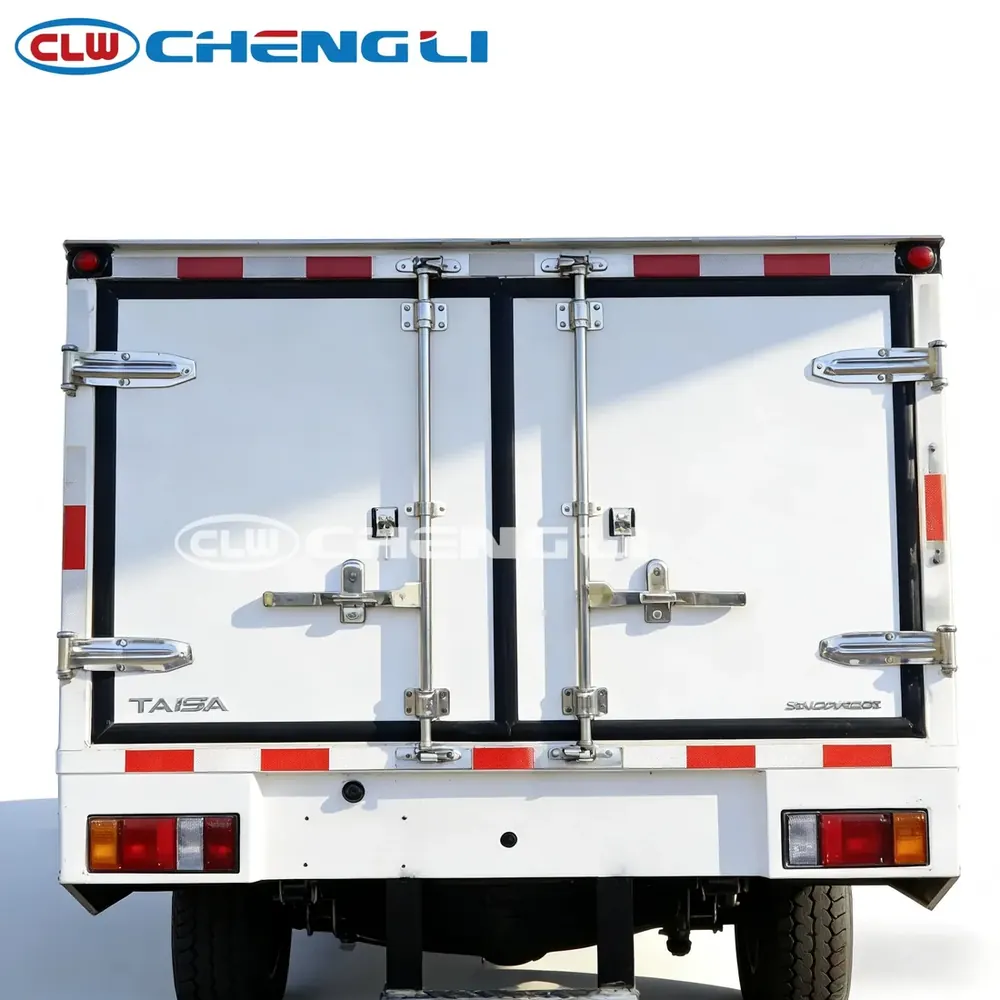
Confirm usable internal dimensions with the selected insulation, refrigeration equipment and cargo arrangement. Pallets, cartons, racks and partitions influence the loading plan. Allow for the airflow and clearances required by the selected equipment instructions. An external body dimension or nominal box volume does not establish the usable cargo arrangement.
Describe whether different products will travel together and whether they share compatible conditions. A multi-compartment proposal needs its own assessment, controls and loading plan. Ask how the proposed interior can be cleaned and how door seals and body condition will be maintained. The vehicle, cargo packaging and operating procedure need to work together.
6. Agree an acceptance and operating basis
Define the conditions of any temperature demonstration or validation required for the order. Identify the vehicle, equipment, ambient assumptions, loading state, measurement locations and duration as appropriate to the agreed scope. A photograph of a low thermostat setting is not an acceptance test. The responsible specialists should establish what evidence is necessary for the cargo operation.
Keep the final equipment and monitoring schedule with the quotation. Confirm operating instructions, service documentation and the responsibilities for loading and transport procedures. Where a requirement cannot yet be demonstrated, record the missing information before ordering. Choose the configuration against the documented cargo and duty, with its limitations and acceptance basis clearly stated.
Compare configurations against the same requirement
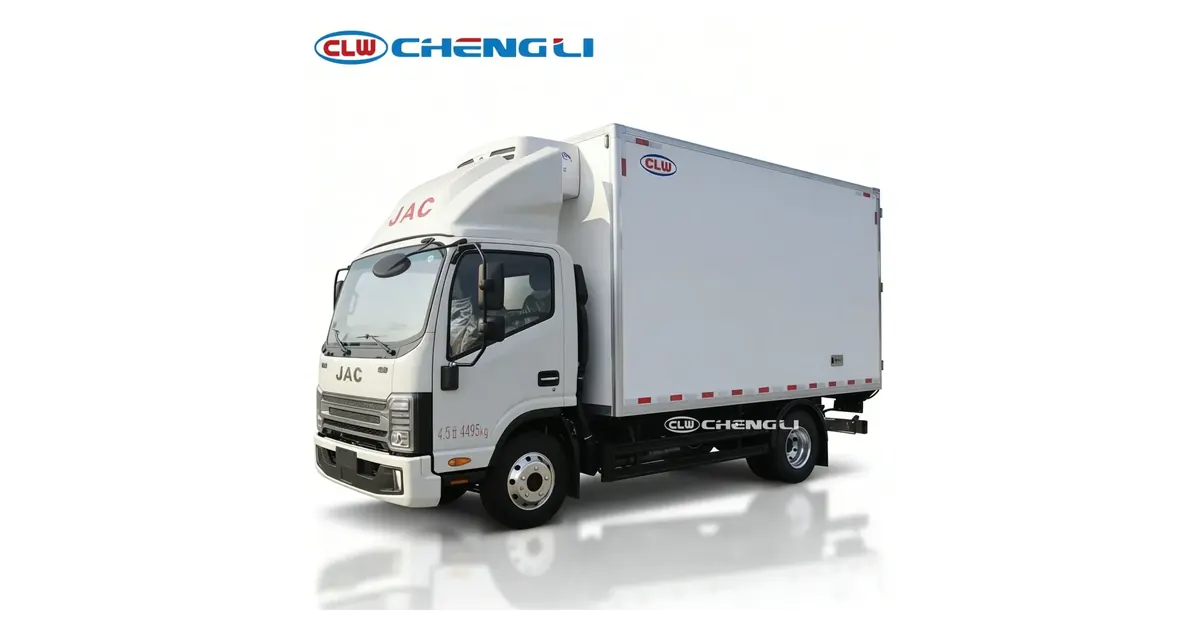
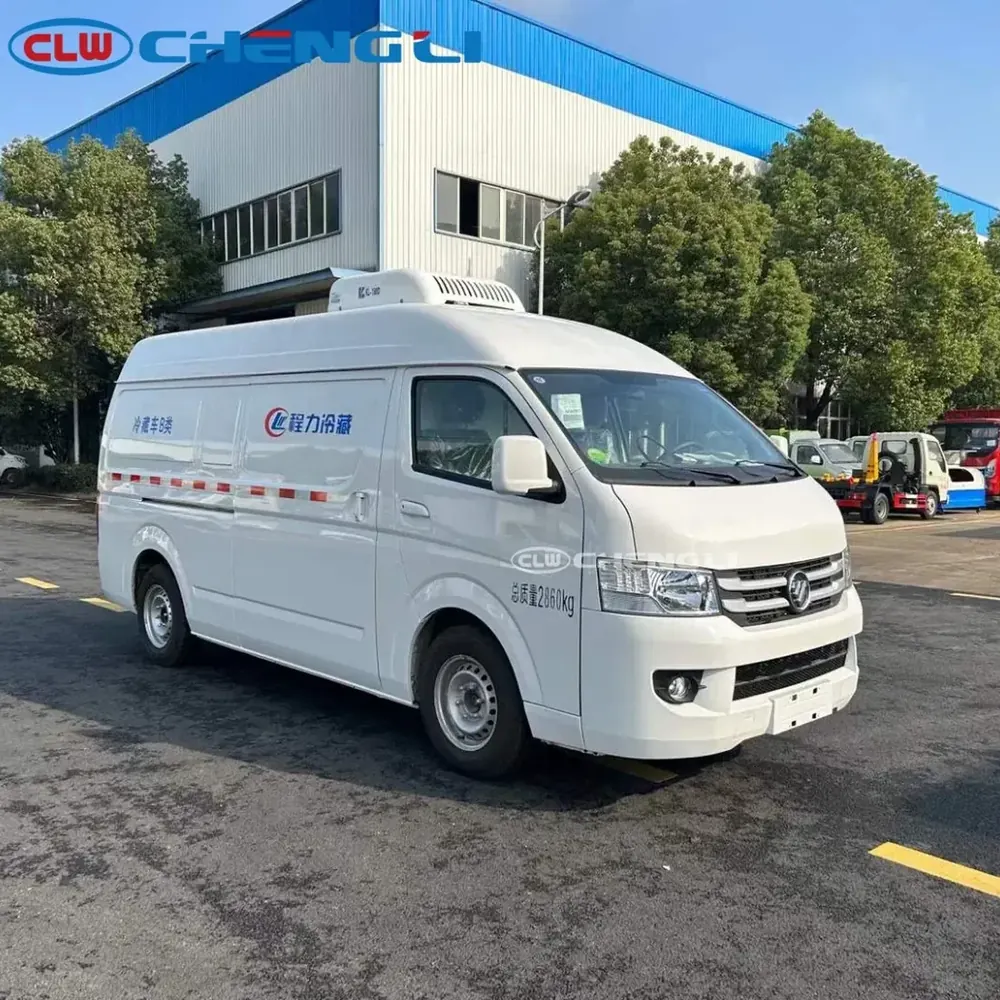
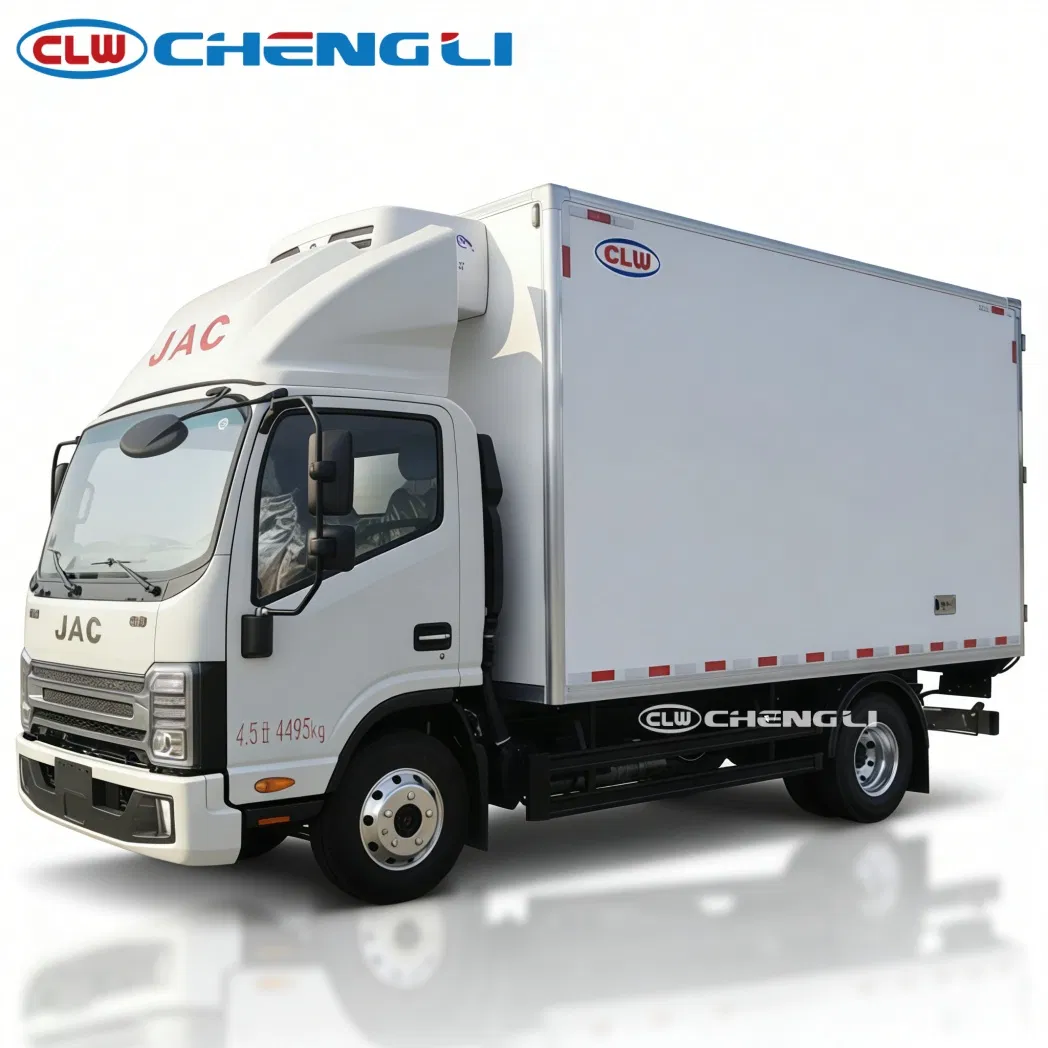
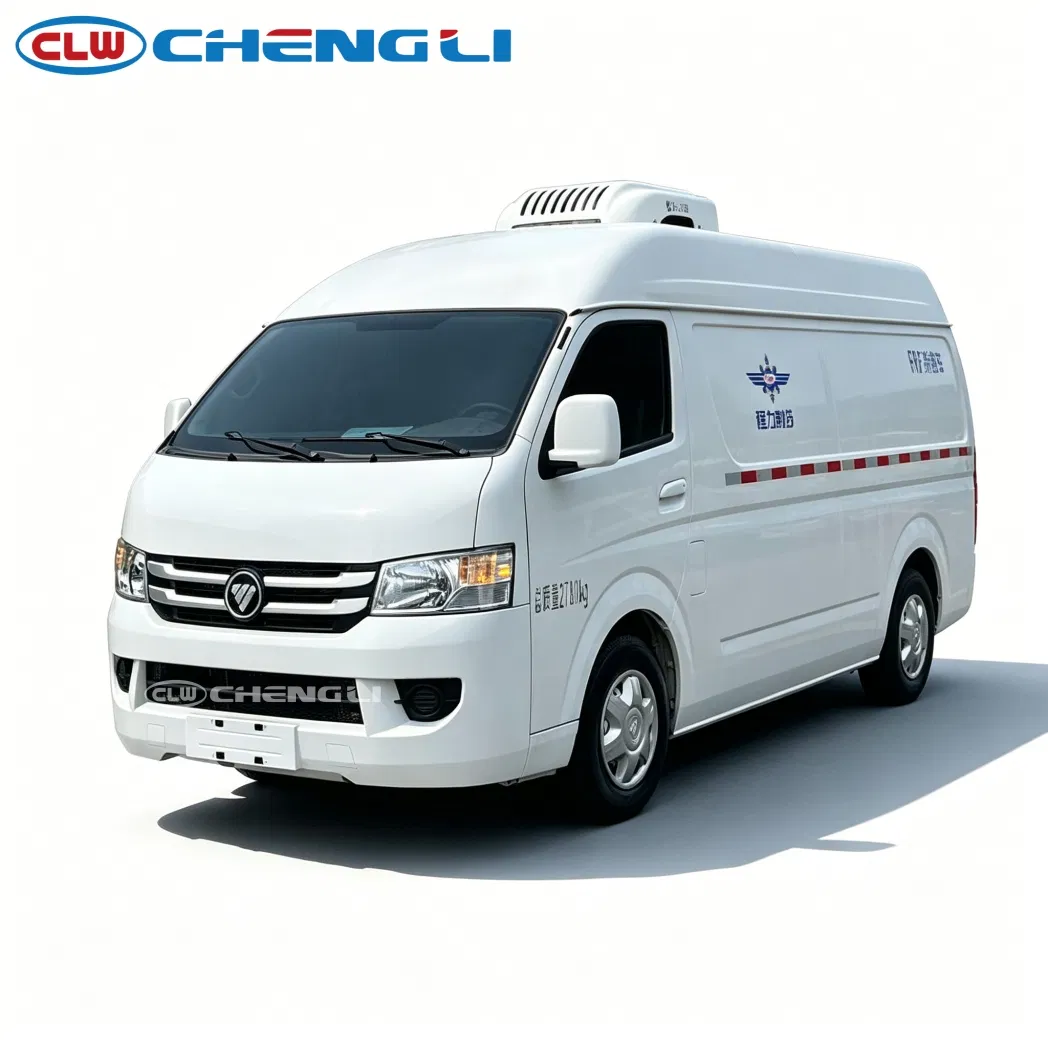
The catalogue includes CLW Refrigerated Delivery Truck, Dongfeng Refrigerated Delivery Truck and Foton Refrigerated Delivery Truck. Use these configurations to begin a comparison, then ask for the selected chassis, body and equipment to be identified against your operating requirement. The vehicles are examples from the range, rather than interchangeable answers to the same job. Confirm the completed weights, usable capacity and relevant equipment limits separately. Ask the supplier to list differences, options and unresolved inputs so that the final price comparison also remains a comparison of the actual configuration being offered.
Consider an illustrative fleet carrying one documented chilled-food load on a direct route and a different temperature-sensitive product on a multi-stop round. Even if both requests mention refrigerated delivery, their required range, door-opening pattern, records and acceptance evidence may differ. Prepare separate duty sheets and ask the responsible product specialists to approve the requirements. The example shows why a vehicle cannot be qualified for every cargo by its thermostat setting or a broad cold-chain description.
| Decision area | Information to provide | What to confirm |
|---|---|---|
| Cargo | Product-specific transport instructions | Required conditions and measurement basis |
| Duty | Route, ambient conditions and door openings | Complete thermal assessment |
| Monitoring | Records, alarms and data requirements | Sensors, recorder and agreed documentation |
| Acceptance | Test conditions and responsible reviewers | Evidence for the actual ordered configuration |
Prepare the quotation request
Send the cargo requirement, loading temperature, packaging, route, stop pattern and destination with the enquiry. Identify any tender-specific certification, monitoring or validation requirement explicitly. Ask for a written offer covering the insulated body, refrigeration unit, monitoring equipment and acceptance scope. This creates a procurement comparison based on the intended cargo operation, rather than a generic frozen, chilled or pharmaceutical label.
Explore the refrigerated trucks range, then use the enquiry form below to request a written quotation for your application.
Configurations to compare
Frequently asked questions
Is there one temperature suitable for all pharmaceutical cargo?
No. Follow the documented requirement for the actual product and the responsible organization’s transport specification.
Does a unit’s minimum setting prove vehicle performance?
No. Assess the complete body, unit, operating conditions and agreed verification method.
Are monitoring and recording equipment automatically included?
Only items identified in the equipment list should be treated as included.
Related guides
Request a quotation for your application
Include the working conditions, country, quantity and configuration requirements described in this guide.