
Buying Guides
Rear Loader vs Hook Lift: Which Refuse Truck Fits Your Route?
Compare rear-loader compactors, hook lifts and skip loaders around the collection method, container fleet, handling space and unloading facilities.
Key takeaways
- Choose the collection system before comparing truck size.
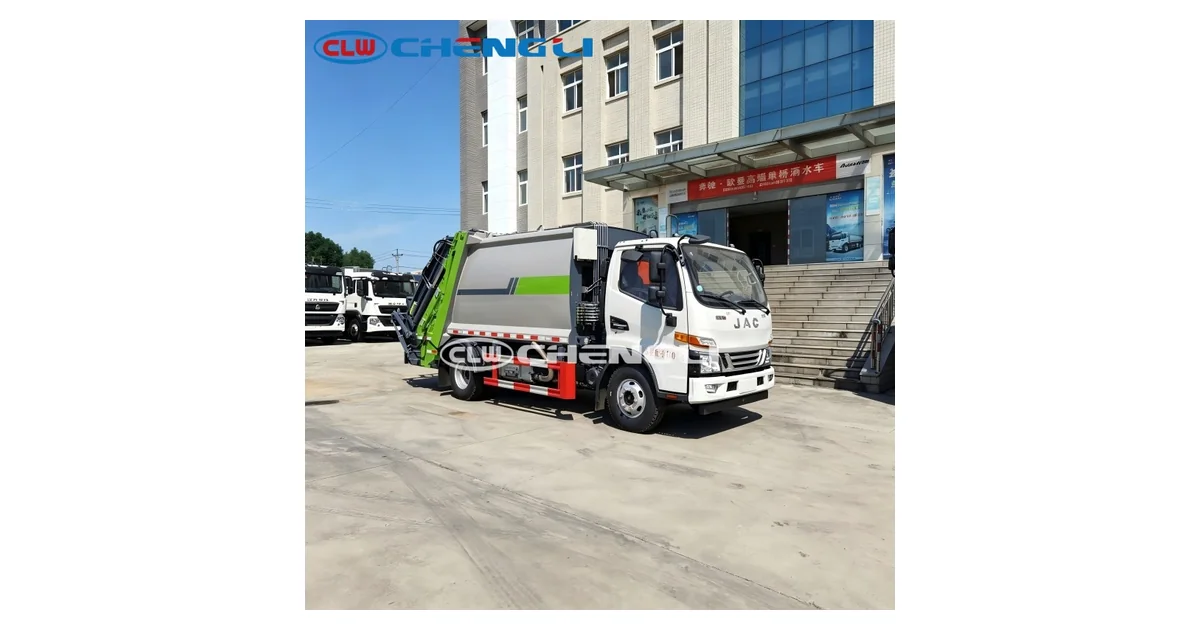
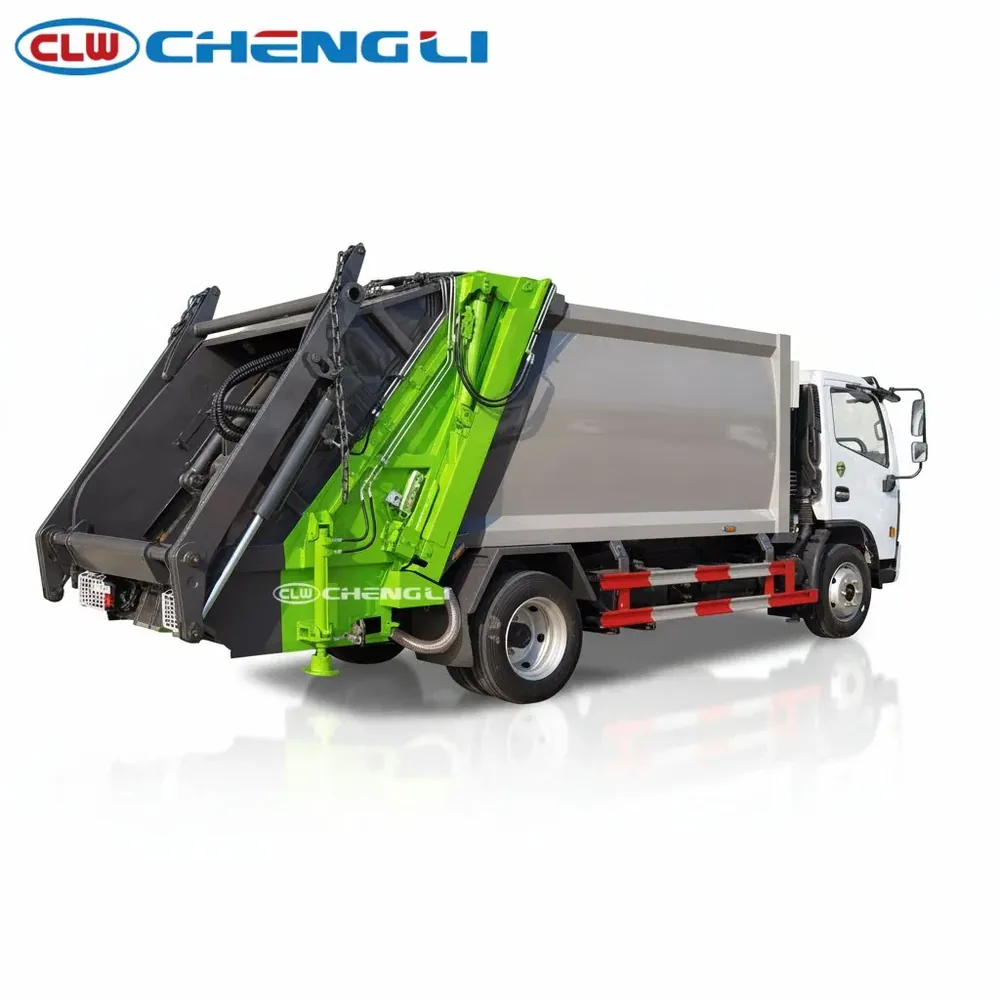
- Rear loaders combine repeated collection with an attached body.
- Hook lifts and skip loaders require matched container fleets.
- Check the full handling envelope and receiving facility.
Rear loader vs hook lift is a question about the collection system before it is a question about truck size. A rear-loader compactor collects loose or bin-fed waste into a body that stays on the chassis. A hook lift exchanges compatible detachable containers. A skip loader handles skips with a different lifting arrangement. Each system changes how containers, crews and vehicles are distributed across a route.
For African municipalities, contractors and private collectors, the right comparison starts with the waste stream, collection points and unloading arrangement. This guide explains what to establish before choosing a system and requesting a configuration.
1. Begin with how waste reaches the vehicle
A rear loader suits a collection pattern in which waste is brought to a rear hopper repeatedly during the route. Depending on the selected equipment, loading may involve compatible bins or another agreed method. The compaction equipment moves material into the body, and the truck travels to an unloading facility when required. Specify the bins, crew practice and waste characteristics rather than assuming that every rear loader handles them in the same way.
A detachable-container system starts with a different arrangement. Containers remain at selected collection or work sites, and the truck exchanges them as part of its transport cycle. That can separate the time required to fill a container from the time that the chassis spends moving it. It also creates decisions about container ownership, storage positions, spare containers and the equipment used at the unloading destination.
2. Use a rear loader when the route requires repeated collection
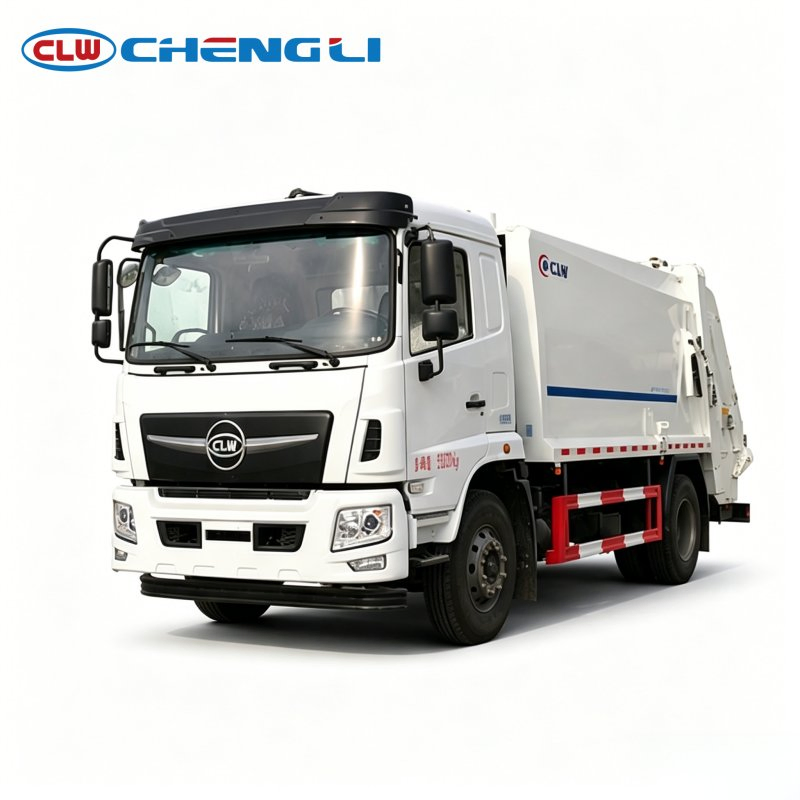
Residential rounds, commercial collection points and similar stop-and-load operations can make a rear-loader compactor a useful option. The vehicle follows the collection route with its body attached throughout the shift. The buyer must match the hopper and lifting arrangement to the waste and bins, while checking access, permissible load and the distance to an unloading point.
A Dongfeng rear-loader refuse compactor is one configuration to examine in that context. Review it as a completed vehicle rather than treating the body volume as the entire specification. Ask how the planned loading method works at actual collection points and what access is needed behind the truck. Do not assume that compaction removes the need to monitor vehicle weight or waste suitability.
3. Choose a hook lift around the container exchange cycle
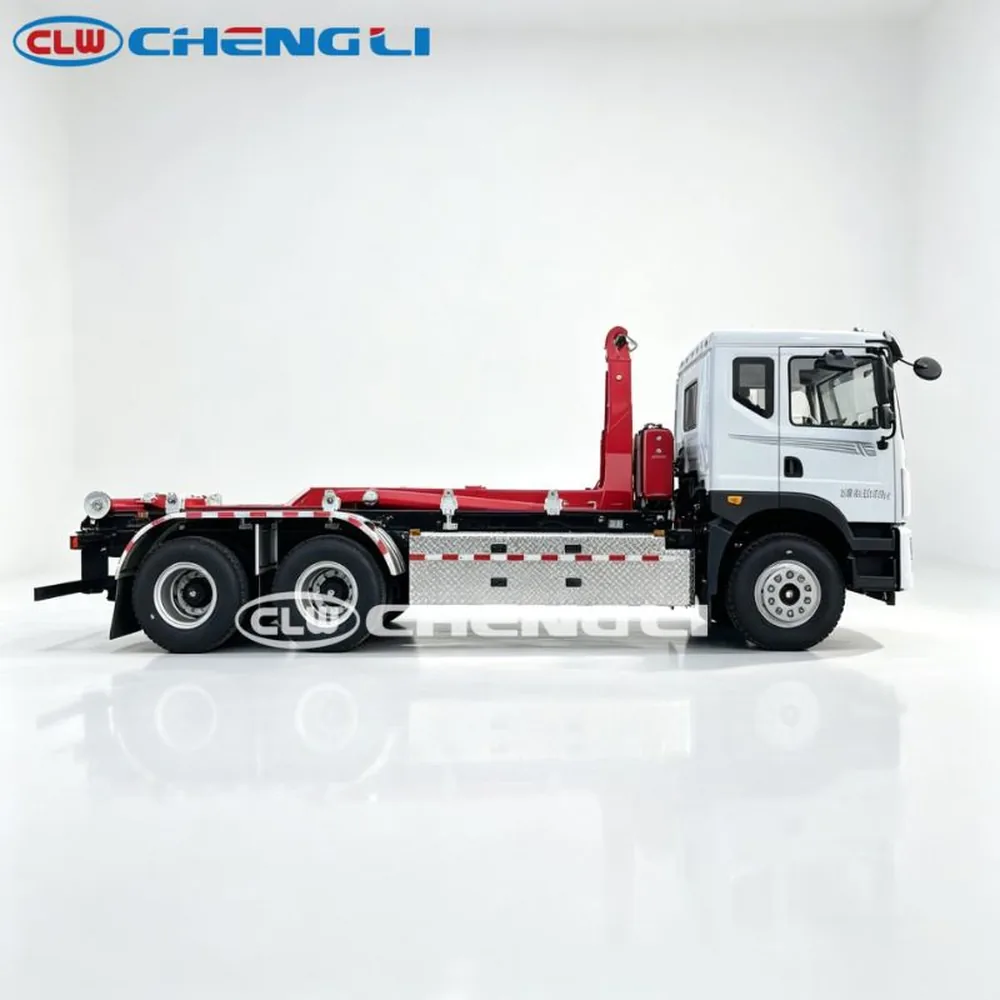
A hook lift can serve operations where compatible detachable containers are filled while the truck works elsewhere. The operating plan needs enough containers, a schedule for exchanging them and suitable locations for setting them down. Explain the waste or material being carried, whether it is covered and how the container will be unloaded. The interface between the truck equipment and container must be confirmed.
When reviewing a CLW detachable-container hook lift truck, request the relevant hook and container dimensions, operating limits and chassis configuration. Check the space required through the whole loading and unloading movement, not just the parking footprint of a container. Ground strength, gradients, overhead restrictions and the weight of both container and contents all belong in the discussion.
4. Assess a skip loader as its own handling system
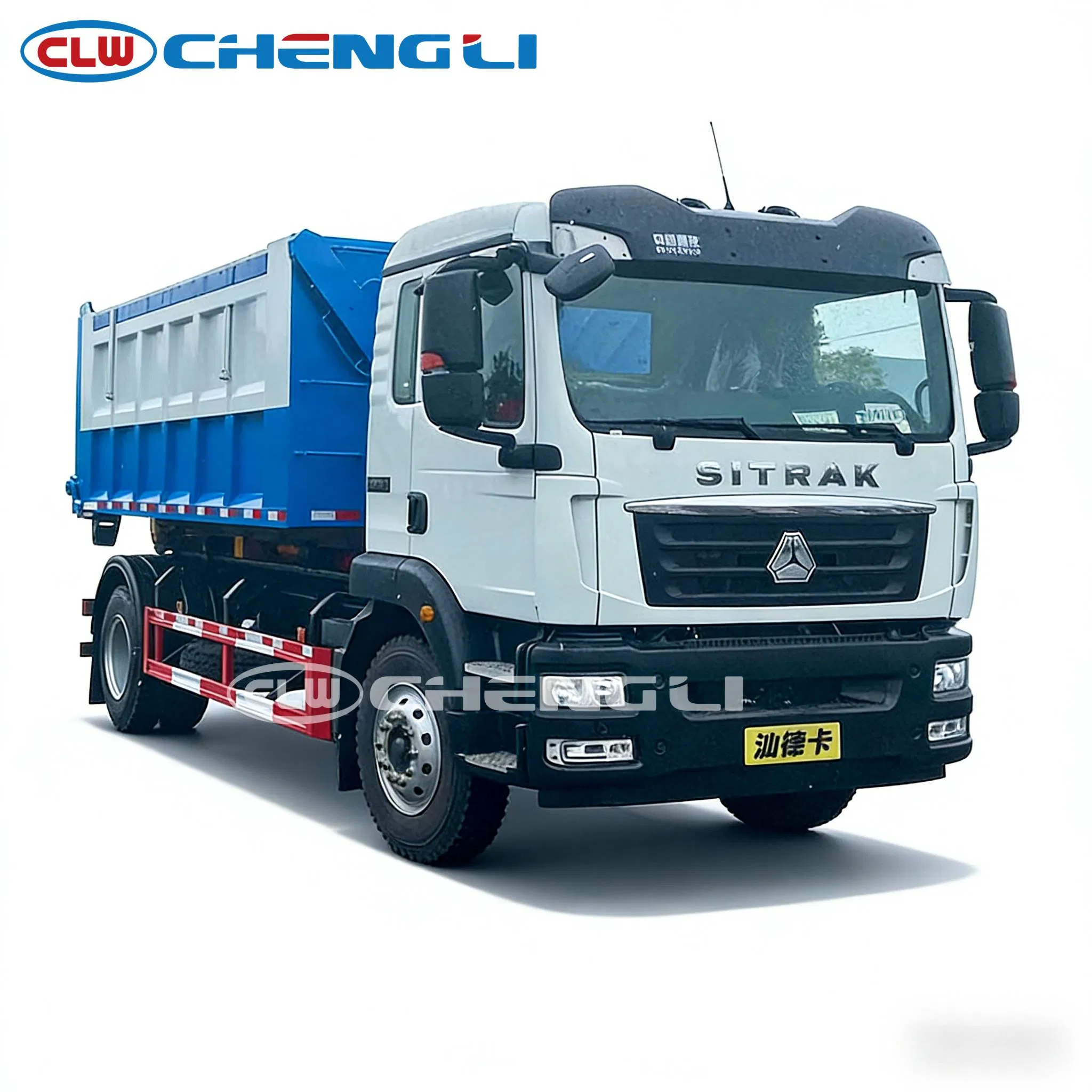
A skip loader should not be treated as another name for a hook lift. The lifting arrangement and container interfaces differ, so a collection plan built around one system cannot automatically use the other's containers. Establish the skip dimensions, lifting points, typical filled weights and the site access available to the truck. Confirm how the skip is secured for transport and discharged at the receiving facility.
The Dongfeng skip loader configuration provides a starting point for discussing this type of work. The final container specification and handling limits need to be agreed for the order. Construction and site waste can vary substantially in density and composition; the dimensions of a skip do not establish an acceptable load by themselves.
5. Compare infrastructure as well as the truck
A useful comparison includes the collection assets already in place. Record the number and type of bins or containers, the sites where they can stand and the unloading facilities that the fleet can use. Include crew time and the transport journey. A system that reduces collection stops may require more container positions or different access at the work site.
| Planning question | Rear-loader compactor | Hook lift | Skip loader |
|---|---|---|---|
| Where does the body stay? | Attached to the chassis during collection | Compatible containers can be exchanged | Compatible skips are lifted and exchanged |
| What must the buyer match? | Waste stream, hopper and bin interface | Hook arrangement, container frame and handling limits | Skip dimensions, lifting points and handling limits |
| What site information matters? | Collection access and working area behind the vehicle | Ground conditions and full container-handling envelope | Standing area and full lifting envelope |
| What else must be planned? | Collection rounds and unloading trips | Container fleet, exchange schedule and unloading method | Skip fleet, exchange schedule and unloading method |
These are planning distinctions, not guarantees of performance. The detailed movement, load limits and operating restrictions depend on the selected equipment. Request drawings and operating information where they are needed to check a tight site. Include the receiving facility in the review so that a container can be handled at both ends of the journey.
6. Build the RFQ around the system you intend to operate
Describe the job in operational terms: what is collected, where it accumulates, how it is loaded, where it is taken and how it is unloaded. Supply photographs and measurements of existing bins or containers. State the number of collection locations, approximate journey pattern, site restrictions and destination country. If the fleet has not selected a system yet, identify that decision explicitly in the enquiry.
Ask for a configuration-specific quotation showing chassis, body or handling equipment, containers if included, safety equipment and the proposed commercial basis. Separate optional equipment and any additional containers so that offers can be compared. Maintenance arrangements, parts, training and warranty conditions should be stated in writing rather than inferred from a system name.
Review the wider refuse collection vehicle range after establishing the collection method. Use the enquiry form below to describe the application and the unresolved checks. The strongest purchase decision is a system that fits the collection network and receiving facilities, supported by a clear written specification for the selected vehicle and containers.
Configurations to compare
Frequently asked questions
Are hook lift containers and skips interchangeable?
Do not assume that they are. The handling arrangements and interfaces differ. Confirm the container dimensions and lifting points against the selected truck equipment.
Is a rear loader appropriate for every waste stream?
No. Describe waste composition, loading method and operating conditions. Equipment suitability must be checked for the proposed application.
Can detachable containers be handled on any surface?
No. Ground conditions, gradients, clearance and equipment restrictions must be checked against the operating instructions and selected configuration.
Should additional containers be included in the RFQ?
State whether containers are required, their quantities, dimensions and interfaces. List additional containers separately so that vehicle and system costs can be compared.
Related guides
Request a quotation for your application
Include the working conditions, country, quantity and configuration requirements described in this guide.