
Buying Guides
How to Write a Special Truck RFQ That Suppliers Can Quote
A useful special-truck RFQ turns an operating requirement into a specification that suppliers can answer consistently.
Key takeaways
- Describe the job and the intended output
- Record route, access and destination constraints
- Define capacity and equipment with their meanings
- Request a complete configuration and document pack
A useful special-truck RFQ turns an operating requirement into a specification that suppliers can answer consistently. It identifies the work, constraints, equipment and commercial scope without filling unknowns with assumptions. Municipal buyers and contractors can then compare complete configurations rather than unrelated headline prices. This guide provides a practical structure for requesting an itemized offer for an African fleet.
1. Describe the job and the intended output
Explain what the vehicle must do during a normal shift. Identify the material or cargo, collection or loading points, travel and unloading arrangements. State the required output only where the buyer has a sound basis for it, and distinguish a planning estimate from an acceptance requirement. A general request for the best truck provides little basis for configuration selection.
Describe unusual assignments separately from routine work. A refuse collection route, a water-supply duty and a quarry haul need different inputs even when the buyer has a preferred chassis brand. Start with the application and ask the supplier to identify the equipment needed to address it. Keep unresolved questions visible rather than copying specifications from an unrelated vehicle.
2. Record route, access and destination constraints
Provide the destination country, operating area, road surfaces, gradients and access restrictions. Include gates, turning space, structures and any locations used for loading, refilling or unloading. Photographs and simple measurements can explain constraints more effectively than broad labels such as rough-road or tropical duty.
State the preferred driving side and any known vehicle or equipment requirements from the responsible authorities or tender. Ask the supplier to identify where more information is necessary. Keep regulatory confirmation with the importer and appropriate providers rather than assuming that a chassis offered for export automatically satisfies every destination rule. The RFQ should separate known constraints from items still awaiting confirmation.
3. Define capacity and equipment with their meanings
List required tank or body volume, payload, working height, outreach or other relevant capabilities as separate items. State units and the conditions attached to each requirement. Volume, carried mass and equipment rating should not be treated as interchangeable. A tow-truck winch rating, for example, does not establish its deck capacity or permissible vehicle load.
Identify standard equipment and requested options explicitly. Include controls, hoses, lifting interfaces, interior equipment or monitoring functions as appropriate to the duty. Where compatibility matters, provide photographs and dimensions of the buyer’s existing equipment. Ask the supplier to answer each requirement and list any proposed alternative, so that missing details remain visible in the comparison.
4. Request a complete configuration and document pack
Ask for the chassis, body or conversion, principal equipment, completed dimensions and weights to be identified. A configuration drawing or layout may be useful where access, loading or interior arrangement is important. The equipment list should state exactly what the offered price includes and which items are optional or buyer-supplied.
Identify the operating documents, technical records and inspection evidence required for the order. Confirm destination-specific conformity and import requirements through the responsible parties. Group management certificates should not be treated as substitutes for vehicle or equipment approvals. Request an explicit response to each document requirement, including any third-party assessment that must happen before shipment.
5. Align price, shipping and support scope
State quantity, delivery location or port and the desired quotation basis. Ask for inclusions and exclusions for the vehicle, options, inspection, export preparation, freight and insurance as applicable. Two prices cannot be compared reliably when one includes a completed truck and shipment while the other concerns a more limited scope.
Request proposed payment, lead-time, warranty, training and support terms in writing without assuming that a generic website statement is an order-specific commitment. Identify parts or consumables the fleet wants quoted. Keep estimates and confirmed terms distinct. An itemized response makes the commercial decision easier to review when equipment or shipping assumptions change.
6. Define review, acceptance and change control
Identify who will review the technical and commercial offers and what evidence is needed before ordering. Ask suppliers to list deviations, missing information and alternatives clearly. A response matrix helps the buyer compare each proposal against the same requirement instead of interpreting a narrative assurance as full compliance.
Agree the inspection and acceptance scope for the actual ordered configuration. When a chassis, body or accessory changes, request an updated specification, price and any affected dimensions, weights or documents. Keep the latest agreed version identifiable. The aim is a procurement record that connects the operating need, selected vehicle and commercial terms without losing important conditions during revisions.
Compare configurations against the same requirement
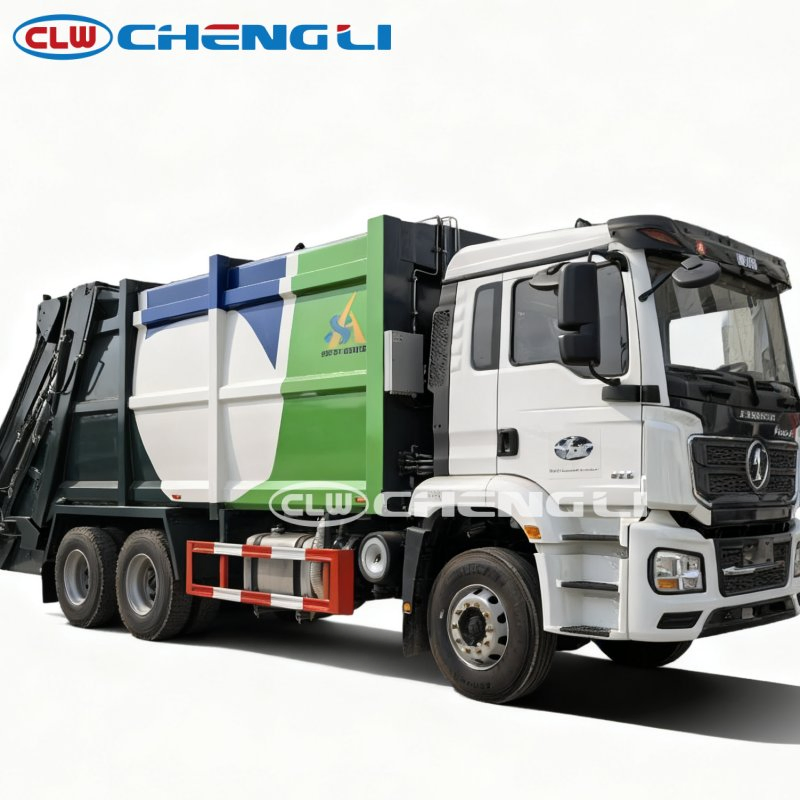
The catalogue includes Dongfeng 4×2 14 m³ Refuse Compactor Truck, Dongfeng 12,500 Litre Water Truck and CLW 6×4 350 hp Tipper Truck. Use these configurations to begin a comparison, then ask for the selected chassis, body and equipment to be identified against your operating requirement. The vehicles are examples from the range, rather than interchangeable answers to the same job. Confirm the completed weights, usable capacity and relevant equipment limits separately. Ask the supplier to list differences, options and unresolved inputs so that the final price comparison also remains a comparison of the actual configuration being offered.
For an illustrative comparison, three suppliers may answer a request for a ten-cubic-metre vehicle with different chassis, body equipment and price scope. A common response sheet should identify usable volume, completed weights, controls, accessories, inspection and delivery inclusions for each offer. The buyer can then see which differences affect the intended work. This example explains why a headline capacity and total price are insufficient; it does not establish that any particular configuration meets the requirement.
| Decision area | Information to provide | What to confirm |
|---|---|---|
| Application | Work cycle, material and required result | Configuration-specific technical response |
| Constraints | Route, access, driving side and destination | Limits, documents and unresolved inputs |
| Equipment | Capacities, interfaces and requested options | Included, optional and buyer-supplied items |
| Commercial | Quantity, delivery scope and review requirements | Itemized price, terms and acceptance basis |
Prepare the quotation request
Use the enquiry form with a short summary of the duty, country, quantity and vehicle category, then provide the detailed RFQ and supporting measurements during the quotation discussion. Ask for a response matrix and a complete equipment list. Before ordering, resolve deviations and confirm the final configuration, document requirements, shipping scope and acceptance evidence in the written commercial package.
Explore the refuse trucks range, then use the enquiry form below to request a written quotation for your application.
Configurations to compare
Frequently asked questions
Must every technical detail be known before sending an RFQ?
No. State what is known and identify the inputs that need the supplier’s assessment rather than inventing values.
Can headline prices be compared directly?
Align the chassis, equipment, options, inspection and shipping scope first.
What should change when the proposed configuration changes?
Request a revised specification, price and all affected weights, dimensions, documents and acceptance information.
Related guides
Request a quotation for your application
Include the working conditions, country, quantity and configuration requirements described in this guide.