
Shipping & Documents
SONCAP and Pre-Shipment Inspection: Truck RFQ Checklist
Import conformity procedures and pre-shipment inspections need to be identified for the actual vehicle, destination and transaction.

Key takeaways
- Identify the destination and actual vehicle
- Confirm the current conformity route
- Separate product, shipment and vehicle documents
- Plan inspections before the shipment is committed
Import conformity procedures and pre-shipment inspections need to be identified for the actual vehicle, destination and transaction. SONCAP is associated with Nigeria’s conformity-assessment system; it is not a generic certificate for every African market. Buyers should confirm the applicable route with the responsible authority and appointed providers before ordering or shipment. This checklist organizes the information and responsibilities without replacing a current regulatory assessment.
1. Identify the destination and actual vehicle
Provide the destination country, importer details and a clear description of the completed vehicle and equipment. State whether the transaction concerns a new or used vehicle and identify the intended use. Classification, condition and configuration can affect the applicable process. A broad special-truck description is insufficient for a reliable compliance enquiry.
Keep the chassis, body and installed equipment identifiable in the specification. If the order includes separate accessories or devices, list them so that the importer and appointed provider can determine how they are treated. Do not assume that a process followed for a different truck, a different condition or another country applies unchanged to the proposed shipment.
2. Confirm the current conformity route
Ask the responsible authority, importer and appointed conformity provider to confirm which procedure applies. For Nigeria, clarify whether SONCAP or another applicable vehicle-specific process is relevant to the actual consignment. Exemptions, permits and product-specific routes must be confirmed through the proper channel rather than inferred from a general product label.
For another destination, use that country’s requirements and appointed providers. A Nigerian conformity document does not automatically satisfy a Kenyan or other market’s procedure. Record who confirmed the route, what vehicle information they reviewed and what actions are required before shipment. Recheck material changes rather than treating an early informal answer as a permanent approval.
3. Separate product, shipment and vehicle documents
Create a document list that identifies the purpose of each item. Commercial invoice, packing information, vehicle identification, technical specification, certificates and shipment documents serve different functions. The exact set depends on the applicable process and transaction. Ask the importer and provider to state the required documents and acceptable form.
Group management system certificates concern the certified organization and scope. They should not be presented as vehicle conformity certificates or destination registration approval. Likewise, a commercial invoice is not evidence that a technical requirement has been met. Keeping these distinctions visible reduces the risk of an impressive-looking document pack leaving an essential requirement unresolved.
4. Plan inspections before the shipment is committed
Identify which inspections, tests or documentary checks must happen and at what stage. Ask who books them, where they take place and what information must be ready. Confirm the required condition of the vehicle and whether its equipment must be installed or demonstrated. A shipment should not be planned around an inspection assumption that the appointed provider has not accepted.
Keep the agreed technical inspection separate from any mandatory conformity process, while coordinating their timing where practical. A buyer’s pre-dispatch inspection may have a different purpose and scope. Record how findings are resolved and who authorizes the next step. Avoid promising a fixed clearance or certification time without a confirmed process for the actual order.
5. Check consistency across the final records
Use the final vehicle identity and configuration when preparing documents. Review chassis identification, model descriptions, quantities and equipment details for consistency. A change in body, chassis or installed devices may require the provider or importer to reassess documents or inspection arrangements. Ask which changes need notification rather than assuming a revised invoice is sufficient.
Agree how the importer receives and reviews the required records before departure. Identify which originals, electronic records or verification steps are needed under the confirmed process. The supplier, importer, freight provider and appointed inspection organization should understand their respective responsibilities. A checklist is useful only when each required action has an owner and a clear completion criterion.
6. Keep regulatory confirmation and commercial scope aligned
Ask the quotation to identify the document and inspection services included, any third-party charges and the responsibilities that remain with the buyer. Distinguish a proposed support service from a guarantee that the vehicle will be approved, cleared or registered. The responsible authorities and designated providers determine the applicable requirements and outcomes.
Review the confirmed process again before booking shipment, particularly if the order or destination changes. Keep the current requirements, correspondence and document checklist with the order file. This creates an auditable procurement sequence without presenting a general website guide as a legal determination or substituting a group certificate for consignment-specific evidence.
Compare configurations against the same requirement
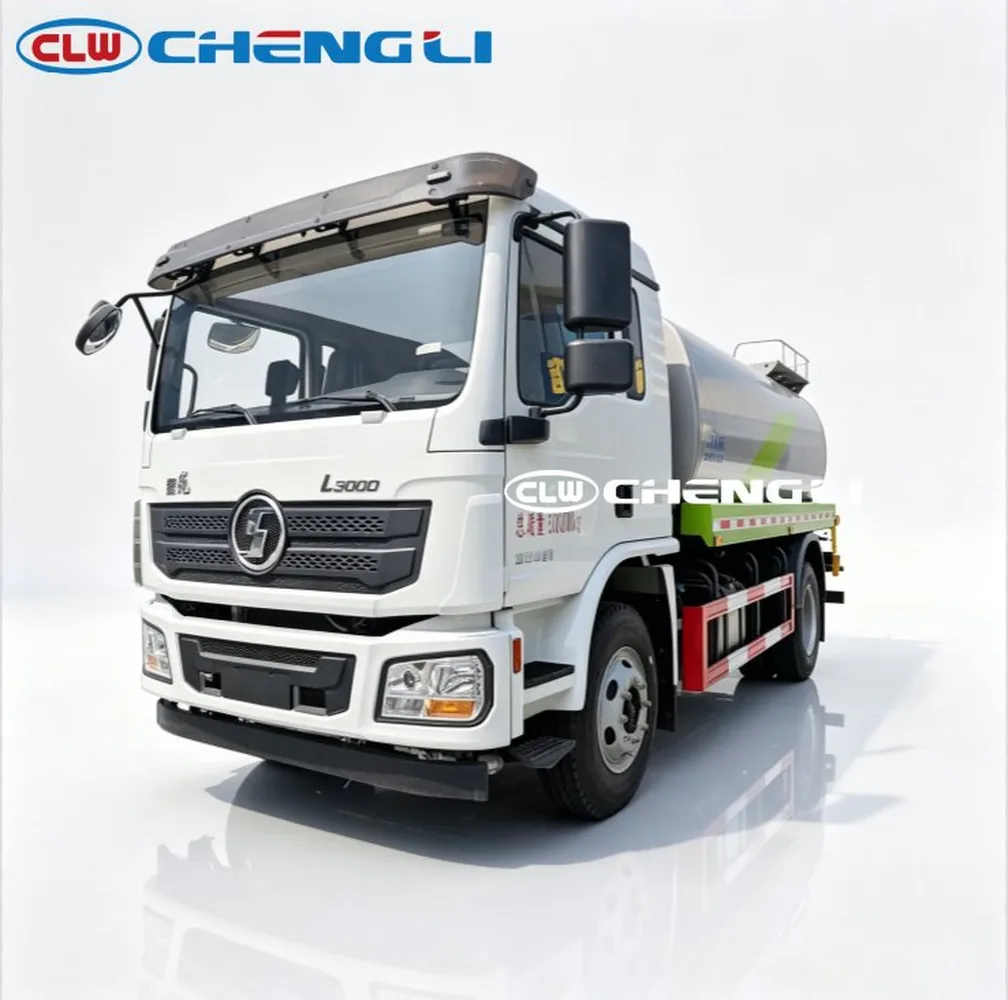
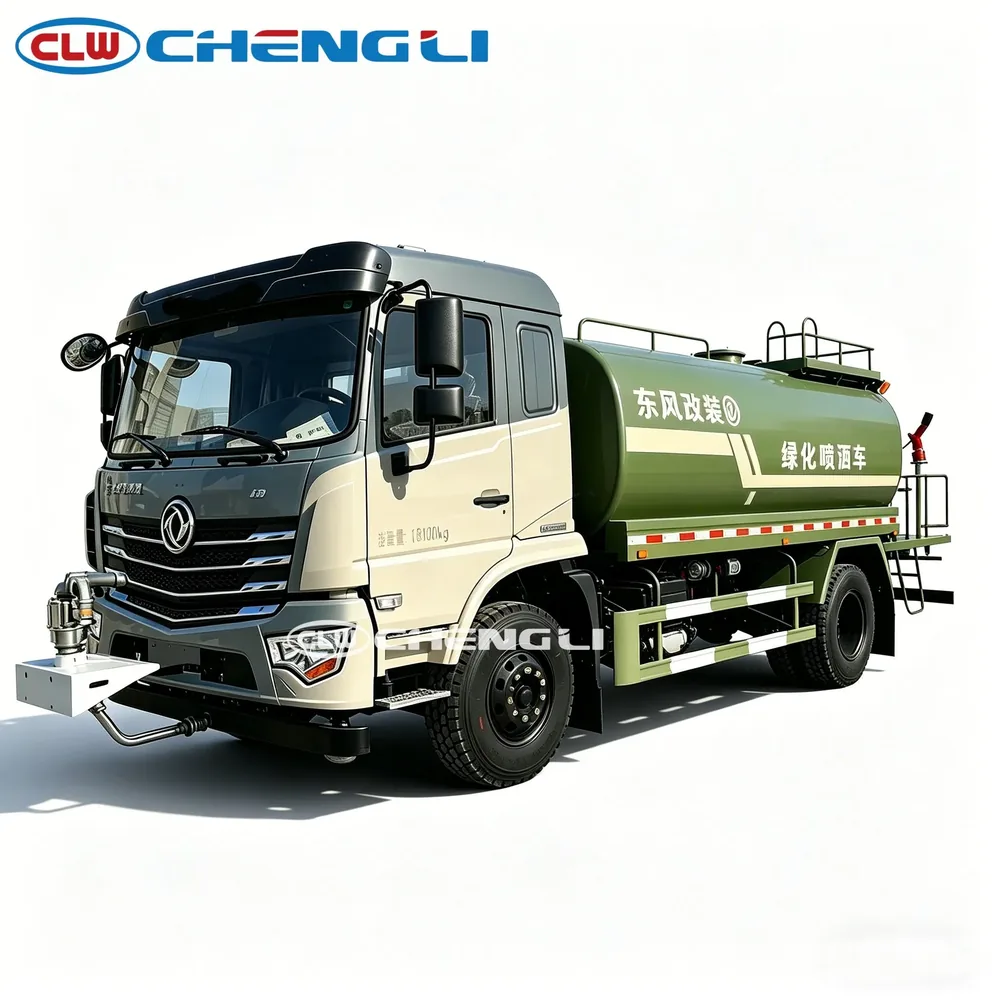
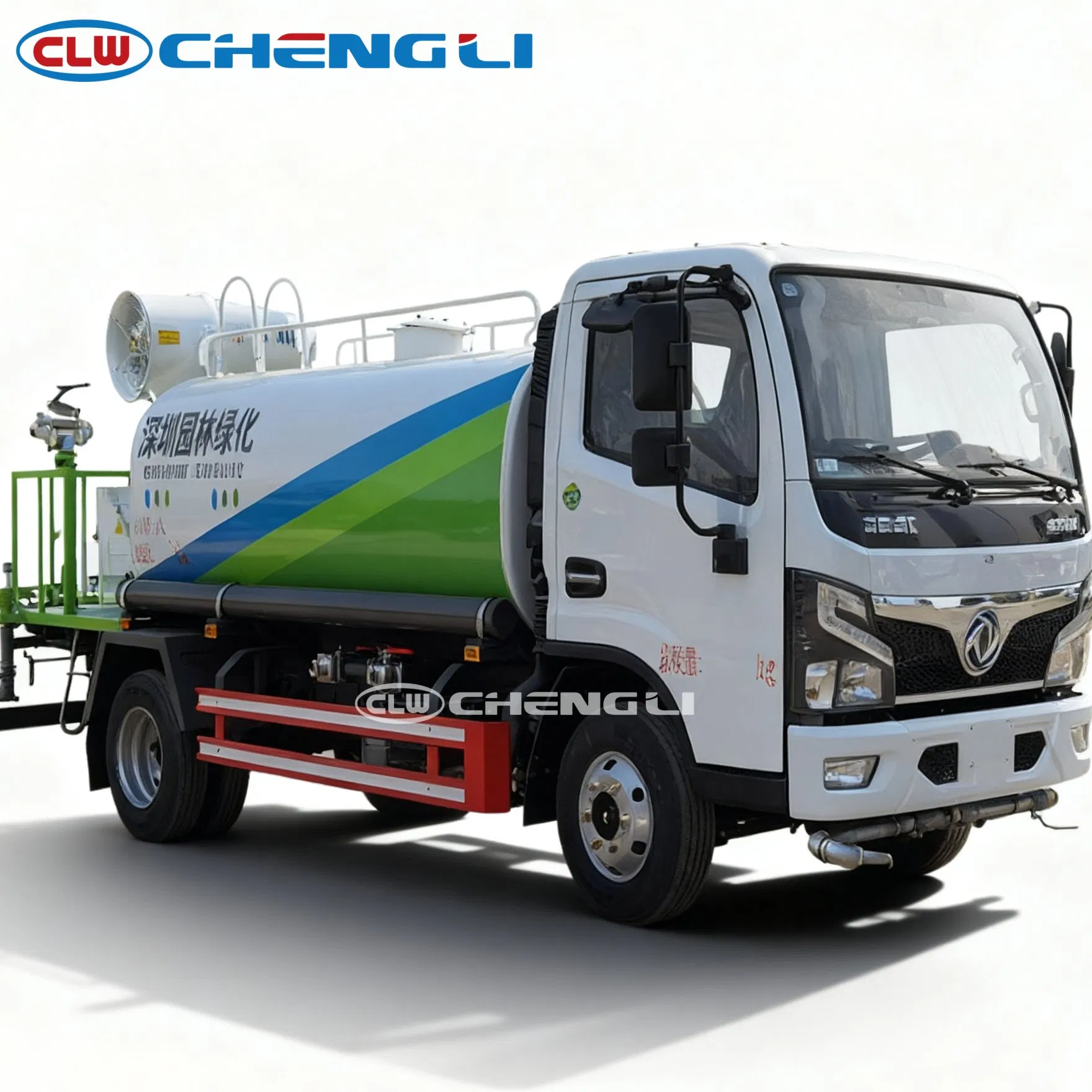
The catalogue includes Dongfeng 12,500 Litre Water Truck, Shacman 15.0 m³ Vacuum Sewage Truck and CLW 6×4 350 hp Tipper Truck. Use these configurations to begin a comparison, then ask for the selected chassis, body and equipment to be identified against your operating requirement. The vehicles are examples from the range, rather than interchangeable answers to the same job. Confirm the completed weights, usable capacity and relevant equipment limits separately. Ask the supplier to list differences, options and unresolved inputs so that the final price comparison also remains a comparison of the actual configuration being offered.
As an illustrative check, a buyer may have a management system certificate, an invoice and an agreed factory inspection, yet still need the appointed provider to confirm the applicable consignment procedure. None of those three items alone determines the regulatory route. Prepare a responsibility matrix and ask the importer to confirm outstanding actions. This example explains the distinction between documents; it does not state that a particular vehicle is regulated, exempt, approved or ready for clearance.
| Decision area | Information to provide | What to confirm |
|---|---|---|
| Scope | Country, importer, vehicle condition and configuration | Authority or appointed-provider assessment |
| Route | Applicable conformity or vehicle-specific procedure | Written requirements and named responsibilities |
| Timing | Inspection, testing and document stages | Actions completed before the required milestone |
| Final review | Consistent vehicle identity and complete records | Importer review and shipment readiness |
Prepare the quotation request
Send the destination, completed vehicle description and importer requirements with the RFQ. Ask for an itemized document and inspection scope, then confirm the applicable process directly through the responsible authority and appointed providers. Keep technical acceptance, conformity assessment, customs clearance and registration as distinct requirements. Resolve the necessary pre-shipment actions before committing to the transport plan.
Explore the water trucks range, then use the enquiry form below to request a written quotation for your application.
Configurations to compare

Frequently asked questions
Is SONCAP a certificate used for every African country?
No. Confirm the procedure required by the actual destination and the appointed providers.
Does a group ISO certificate establish vehicle conformity?
No. Organization management certificates and vehicle or consignment requirements have different purposes.
Can the inspection process be left until arrival?
Confirm the required timing with the responsible authority and appointed provider before shipment.
Related guides
Request a quotation for your application
Include the working conditions, country, quantity and configuration requirements described in this guide.